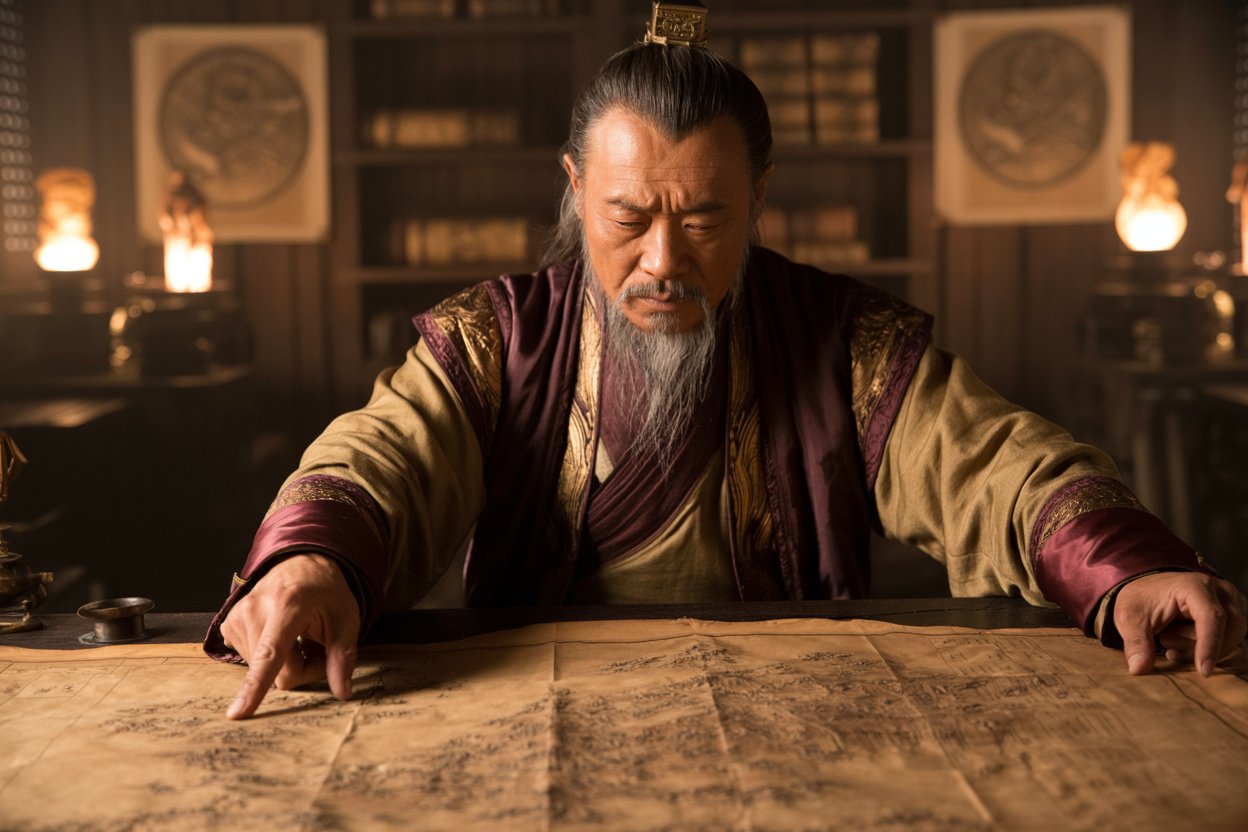
Sun Tzu’s The Art of War has survived 2,500 years not because it teaches battlefield tactics, but because it reveals fundamental truths about strategy, competition, and human nature. Written during China’s Warring States period, this ancient text offers principles that translate directly into modern challenges.
Whether you’re negotiating a salary, building a business, or navigating office politics, Sun Tzu’s wisdom provides a strategic framework that most people never learn. The middle class often approaches life reactively, responding to circumstances rather than shaping them. These five lessons reveal how strategic thinking separates those who control their circumstances from those who remain at the mercy of their circumstances.
1. Know Yourself and Your Opponent
“If you know the enemy and know yourself, you need not fear the result of a hundred battles.” – Sun Tzu.
Sun Tzu’s most famous principle isn’t about combat. It’s about information asymmetry and self-awareness. Most people enter competitive situations blind to their own weaknesses and equally ignorant of their opponent’s motivations. This creates unnecessary defeats.
Knowing yourself means understanding your genuine strengths, not the inflated version you tell yourself. It means recognizing your emotional triggers, your risk tolerance, and your actual skill level. A trader who doesn’t know they can’t manage their greed will destroy their account. A job candidate who doesn’t know their market value will accept offers below market rate.
Knowing your opponent means understanding what drives them. When negotiating salary, most people focus on what they want rather than understanding the hiring manager’s constraints, budget pressures, and pain points. When starting a business, entrepreneurs often build products they think are clever rather than solving problems their customers actually have.
The strategic advantage comes from operating with a clear vision, while others operate in a fog. You make informed decisions. They guess.
2. Win Without Fighting
“The supreme art of war is to subdue the enemy without fighting.” – Sun Tzu.
Sun Tzu teaches that confrontation is the strategy of last resort. Victory achieved through positioning, timing, and leverage costs less and preserves resources for future battles. This contradicts the middle-class mentality that hard work and persistence alone create success.
Winning without fighting means structuring situations so resistance becomes futile. A skilled negotiator doesn’t argue their case. They position themselves with multiple offers, creating competition that makes employers bid against themselves. An entrepreneur doesn’t fight competitors head-on. They find underserved niches with minimal competition.
This principle extends to personal relationships and office dynamics. The person who can achieve their objectives without creating enemies, burning bridges, or exhausting themselves preserves their energy for opportunities that actually matter. Confrontation creates losers who become future obstacles.
Strategic positioning means building situations where people give you what you want because it serves their interests. You’re not forcing compliance. You’re aligning incentives.
3. All Warfare Is Based on Unexpected Strategies
“All warfare is based on deception. Hence, when we can attack, we must seem unable; when using our forces, we must appear inactive.” – Sun Tzu.
This isn’t about dishonesty. It’s about strategic information management. In competitive environments, those who telegraph every move give opponents time to counter. Sun Tzu teaches that maintaining optionality requires keeping your capabilities and intentions deliberately ambiguous.
In career advancement, you don’t announce your job search to your current employer. In business negotiations, you don’t reveal your walk-away price. The middle class often overshares, believing transparency builds trust. Sometimes it does. Usually, it just arms competitors with information they use against you.
Strategic ambiguity means controlling what others know about your resources, intentions, and timeline. You maintain flexibility while they operate on incomplete information. When you do act, it’s decisive and unexpected.
The key distinction is between deception that creates unfair advantage through lies versus strategic discretion that preserves your competitive position. Sun Tzu advocates the latter.
4. Timing and Opportunity Are Everything
“Opportunities multiply as they are seized.” – Sun Tzu
Sun Tzu emphasizes that action without timing is recklessness, while hesitation when conditions favor you is cowardice. Most people either act too early from impatience or too late from fear. Strategic timing is the difference between success and failure with identical resources.
Knowing when to fight means recognizing when circumstances favor your success. It’s pushing for a promotion when you’ve just delivered significant results, not during budget cuts. It’s launching a business when market conditions align, not because you’re tired of your job. It’s investing when assets are undervalued, not when everyone else is buying.
Equally important is knowing when not to fight. This requires the discipline to wait when conditions don’t favor success, even when you’re capable of action. The middle class often confuses activity with progress, staying busy rather than being strategic. They fight battles they can’t win simply because they showed up.
Sun Tzu’s insight about opportunities multiplying as they’re seized reveals that success creates momentum. Early victories position you for larger ones. This compounds over time, which is why strategic timing in your twenties and thirties determines your options in your forties and fifties.
5. Adapt to Circumstances
“Water shapes its course according to the nature of the ground over which it flows; the soldier works out his victory in relation to the foe whom he is facing.” – Sun Tzu.
Sun Tzu uses water as the ultimate metaphor for strategic adaptation. Water doesn’t fight terrain. It flows around obstacles, taking the path of least resistance while maintaining its essential nature. Rigid adherence to plans when circumstances change is a liability that most people can’t recognize until it’s too late.
Strategic flexibility means having the wisdom to pivot when your chosen path hits a dead end. It’s changing careers when your industry becomes obsolete. It’s adjusting your financial strategy when market conditions evolve. It’s modifying your approach when relationship dynamics shift.
The middle class often clings stubbornly to obsolete plans because they’ve already invested time and resources. This is the sunk cost fallacy dressed up as persistence. Sun Tzu teaches that strategy must be fluid, responding to actual conditions rather than forcing reality to match your assumptions.
Adaptation doesn’t mean abandoning your objectives. It means finding new paths to the same destination when the direct route becomes blocked. Those who thrive long-term aren’t necessarily smarter or harder working than those who fail. They’re better at reading changing conditions and adjusting accordingly.
Conclusion
Sun Tzu’s principles endure because they address fundamental truths about competition, resource allocation, and human nature that don’t change across centuries. These aren’t just battlefield tactics. They’re strategic frameworks for making better decisions in the face of uncertainty.
The middle class typically approaches life reactively, responding to whatever circumstances present themselves. Sun Tzu teaches the opposite: shaping circumstances through strategic positioning, timing, and adaptation. This distinction determines who builds wealth and influence versus who remains perpetually reactive to external forces they never learn to control.