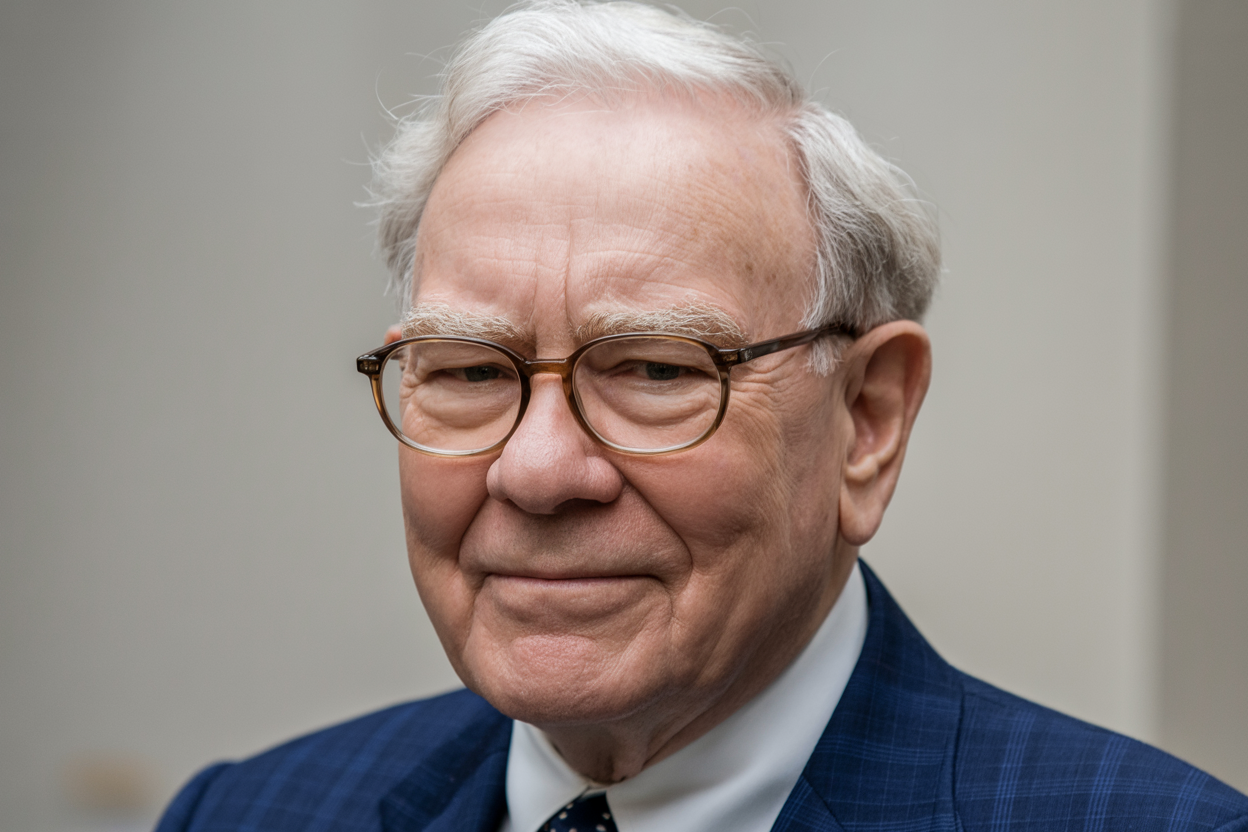
Warren Buffett built Berkshire Hathaway into one of the most valuable companies in history. Along the way, he learned that success in business and investing depends less on finding great opportunities and more on avoiding the wrong people.
Across decades of shareholder letters, annual meetings, and interviews, Buffett has been remarkably consistent about who deserves your trust and who doesn’t. Here are five types of people the Oracle of Omaha says you should never trust with your money, your business, or your future.
1. People Who Lack Integrity, No Matter How Talented They Are
Buffett has said many times that when evaluating people, you should look for three qualities: integrity, intelligence, and energy. But he always adds a critical warning. If someone doesn’t have the first quality, the other two will destroy you.
Think about why this matters. A dishonest, lazy, and unintelligent person can’t do much damage. But an unscrupulous person who is brilliant and driven? That person has the tools to deceive you in ways you won’t see coming.
Buffett has applied this principle throughout his career at Berkshire Hathaway, consistently choosing to work only with managers he considers honest and trustworthy. He understands that no amount of talent can compensate for a character deficit.
The lesson for the rest of us is straightforward. Before you evaluate someone’s skills, credentials, or track record, assess their character first. If integrity isn’t there, nothing else matters.
2. Rascals You Think You Can Outsmart
In his 2024 shareholder letter, Buffett shared a warning originally issued by Hugh McCulloch, the first Comptroller of the United States, back in 1863. McCulloch told national banks never to deal with a rascal, under the expectation that they could prevent him from cheating them.
Buffett added that many bankers over the years thought they could manage the “rascal problem” and learned the hard way that they couldn’t. This is one of the most dangerous traps in business and personal finance.
People convince themselves they’re the exception. They believe their contracts are airtight, their oversight is strong enough, or their own intelligence will keep a dishonest partner in check. Buffett says this thinking is a guaranteed path to getting burned.
The only winning strategy with a rascal is to walk away entirely. You can’t control someone who has already decided to operate without ethics. Your energy is always better spent finding trustworthy people than trying to manage untrustworthy ones.
3. Financial Pundits and Market Forecasters
Buffett has long been vocal about the uselessness of market predictions. In his 2024 letter, he described his late sister Bertie as someone who instinctively knew that pundits should always be ignored. He pointed out the absurdity of anyone who could actually predict market winners sharing that information with the public.
As Buffett sees it, if someone could honestly and reliably pick tomorrow’s winners, broadcasting those picks would be like finding gold and then handing the neighbors a map to its location. No rational person would do that.
Yet every day, financial media is filled with confident predictions about where markets are headed. Buffett warns that whenever market excitement causes investors’ emotions to run hot, whatever foolishness can be marketed will be vigorously marketed by someone looking to profit from that excitement.
The people selling you predictions aren’t in the business of making you wealthy. They’re in the business of selling predictions. Buffett’s advice is to tune out the noise, invest in what you understand, and think in decades rather than days.
4. Scoundrels and Promoters Who Target Your Savings
In his 2025 shareholder letter, Buffett acknowledged a hard truth about American capitalism. While the system has produced extraordinary wealth and opportunity, it has also consistently attracted scoundrels and promoters who seek to take advantage of people who mistakenly trust them with their savings.
Buffett noted that this problem is not a relic of the past. It remains in full force today. The packaging has changed, but the underlying scheme hasn’t. These operators use complexity to obscure risk, fancy jargon to sound credible, and promises of easy returns to lure people in.
Wall Street’s incentive structure exacerbates this problem. Many financial professionals earn fees whether their clients make money or not. The people selling you products are often not the same people who have your best interests at heart.
Buffett and his late partner Charlie Munger were especially critical of high-commission investment vehicles and heavily marketed financial products. These structures thrive on turnover, and turnover creates repeated chances for uninformed investors to lose money to those with better information and fewer scruples.
5. Bad People Offering Good Deals
One of Buffett’s most direct statements on trust came during a CNBC interview, when he said, “You can’t make a good deal with a bad person.” He has repeated this idea in various forms across multiple shareholder letters.
In his letters to Berkshire shareholders, Buffett has written that he won’t join with managers who lack admirable qualities, regardless of how attractive their business prospects appear. He learned early in his career to go into business only with people he liked, trusted, and admired.
This principle was tested in real life when David Sokol, a trusted Berkshire executive once considered a potential successor to Buffett, purchased shares in a company before recommending that Berkshire acquire it. The resulting scandal forced Sokol out and violated the first rule Buffett communicates to all Berkshire CEOs: protect the company’s reputation above all else.
The temptation to overlook character flaws when a deal looks profitable is one of the oldest traps in business. Buffett’s experience proves that the short-term upside is never worth the long-term damage of partnering with the wrong person.
Conclusion
Warren Buffett’s approach to trust is built on a simple foundation. Character always comes before competence, and no deal is good enough to justify doing business with someone you can’t rely on.
Whether you’re choosing a financial advisor, evaluating a business partner, or deciding whom to listen to about your investments, Buffett’s framework provides a clear filter. Look for integrity first. Walk away from rascals. Ignore pundits who claim to predict the future. Stay alert for promoters disguised as advisors. And never let a shiny opportunity blind you to the character of the person offering it.
The Oracle of Omaha didn’t build one of the greatest fortunes in history by chasing deals. He built it by choosing the right people and avoiding the wrong ones. That principle is available to anyone willing to apply it.