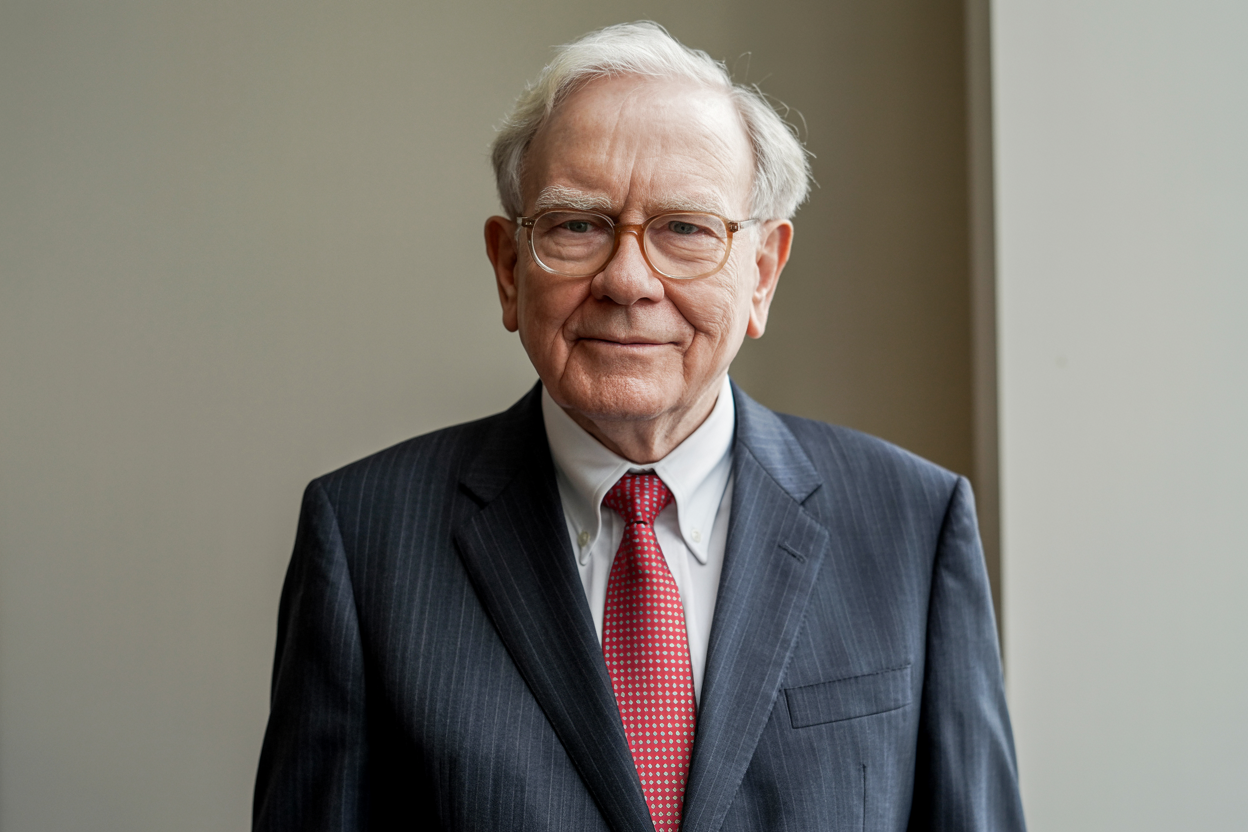
Warren Buffett built one of the greatest fortunes in history not through genius alone but through decades of unwavering self-discipline. While most people associate discipline with willpower, Buffett treats it as a decision-making system. He designs his life to minimize temptation rather than constantly fighting it.
His daily habits, investment philosophy, and personal conduct all reflect a set of principles he has consistently followed for over six decades. These are the ten rules of self-discipline that define how Buffett operates.
1. Say No to Almost Everything
“The difference between successful people and really successful people is that really successful people say no to almost everything.” – Warren Buffett.
Buffett guards his time and capital with extreme selectivity. He waits for what he calls the “fat pitch,” the rare opportunity that falls squarely within his strengths.
This discipline of elimination applies beyond investing. Buffett keeps his calendar remarkably open compared to most executives. By saying no to the bad, the mediocre, and the good, he reserves his energy for the exceptional.
2. Stay Within Your Circle of Competence
“Know what you know and know what you don’t know.” – Warren Buffett
Buffett famously avoided technology stocks during the dot-com bubble. Wall Street mocked him as outdated. When the bubble burst, his discipline was vindicated. He only invests in businesses he can thoroughly understand. He stays within his circle of competence.
He isn’t embarrassed to admit the boundaries of his knowledge. The discipline of staying in your lane protects you from the costly mistakes that come with overconfidence.
3. Protect Against Loss Before Chasing Gains
“Rule No. 1: Never lose money. Rule No. 2: Never forget Rule No. 1.” – Warren Buffett
This isn’t meant literally. Buffett has had losing investments. The principle reflects his discipline of filtering every decision through the lens of downside risk first. Before asking how much he can make, he asks how much he can lose.
Compounding works powerfully in your favor, but only if you avoid catastrophic losses that reset your progress. Buffett’s discipline is to protect his base before reaching for more.
4. Act Against the Crowd
“Be fearful when others are greedy, and greedy when others are fearful.” – Warren Buffett
During the 2008 financial crisis, while most investors were frozen with panic, Buffett deployed billions into companies like Goldman Sachs. Acting against the emotional tide of a market requires enormous self-discipline.
Most people can’t separate their emotions from their financial decisions. Buffett has trained himself over decades to view market fear as an opportunity rather than a signal to flee.
5. Think in Decades, Not Days
“Our favorite holding period is forever.” – Warren Buffett
Buffett held his position in Coca-Cola through multiple downturns and long stretches of underperformance without selling. He understands that compounding requires time, and time requires patience.
In a world obsessed with quarterly results and instant gratification, his willingness to wait is one of his most significant competitive advantages. Short-term thinking is the enemy of long-term wealth.
6. Read Obsessively and Think Independently
“I just sit in my office and read all day.” – Warren Buffett
Buffett spends the majority of his workday reading annual reports, newspapers, and books. This daily commitment to learning is the foundation of every investment decision he makes.
The discipline here is twofold. First, he puts in the work of reading when most people look for shortcuts. Second, he thinks for himself rather than following consensus. Independent thinking requires the confidence to be wrong and the patience to let your analysis play out.
7. Guard Your Reputation Above All Else
“It takes 20 years to build a reputation and five minutes to ruin it. If you think about that, you’ll do things differently.” – Warren Buffett.
In his letters and memos to Berkshire Hathaway managers, Buffett has made clear that he can tolerate losing money but can’t tolerate losing the company’s reputation. Every business decision at Berkshire runs through this filter.
Reputation compounds just like money. Buffett treats his name as his most valuable and most fragile asset, avoiding ethically questionable deals and aggressive accounting tactics.
8. Live Below Your Means
“I’m not interested in cars, and my goal is not to make people envious. Don’t confuse the cost of living with the standard of living.” – Warren Buffett.
Buffett still lives in the Omaha home he purchased in 1958. He eats simple meals and drives a modest car. This isn’t a performance for the public. It reflects a genuine disinterest in lifestyle inflation.
When you don’t need an extravagant lifestyle to feel successful, you make financial decisions based on logic rather than the pressure to maintain appearances. Buffett’s frugality keeps his thinking clear and his options open.
9. Never Risk What You Need for What You Don’t Need
“I’ve seen more people fail because of liquor and leverage—leverage being borrowed money. You really don’t need leverage in this world much. If you’re smart, you’re going to make a lot of money without borrowing.” – Warren Buffett.
Buffett has repeatedly warned against the seduction of leverage. He watched firms like Long-Term Capital Management collapse because brilliant people risked everything they had for a little more they didn’t need.
This discipline applies beyond finance. Risking your health, relationships, or integrity for marginal gains is the same mistake in a different form. Buffett’s rule is to never put the essentials on the table when the potential reward is merely something extra.
10. Keep Emotions Out of Financial Decisions
“The most important quality for an investor is temperament, not intellect.” – WarrenBuffett.
Throughout his shareholder letters, Buffett stresses that investing doesn’t require a high IQ. What is needed is the ability to control the impulses that lead other people into trouble. Fear, greed, envy, and impatience destroy more portfolios than bad analysis ever will.
Buffett has built a life that supports emotional control. He avoids Wall Street noise by working from Omaha, limits his exposure to market chatter, and makes decisions slowly. Emotional discipline isn’t something he forces on others. It’s something he engineers into his daily routine.
Conclusion
The common thread through all ten of Buffett’s rules is that self-discipline isn’t about constant willpower. It’s about designing a life and a process that reduces the number of times you have to fight temptation in the first place.
Buffett says no by default, stays in his lane, thinks long-term, and lives. These aren’t secrets. They are choices most people understand, but few have the discipline to practice consistently over a lifetime. The gap between knowing and doing is where Buffett built his fortune.