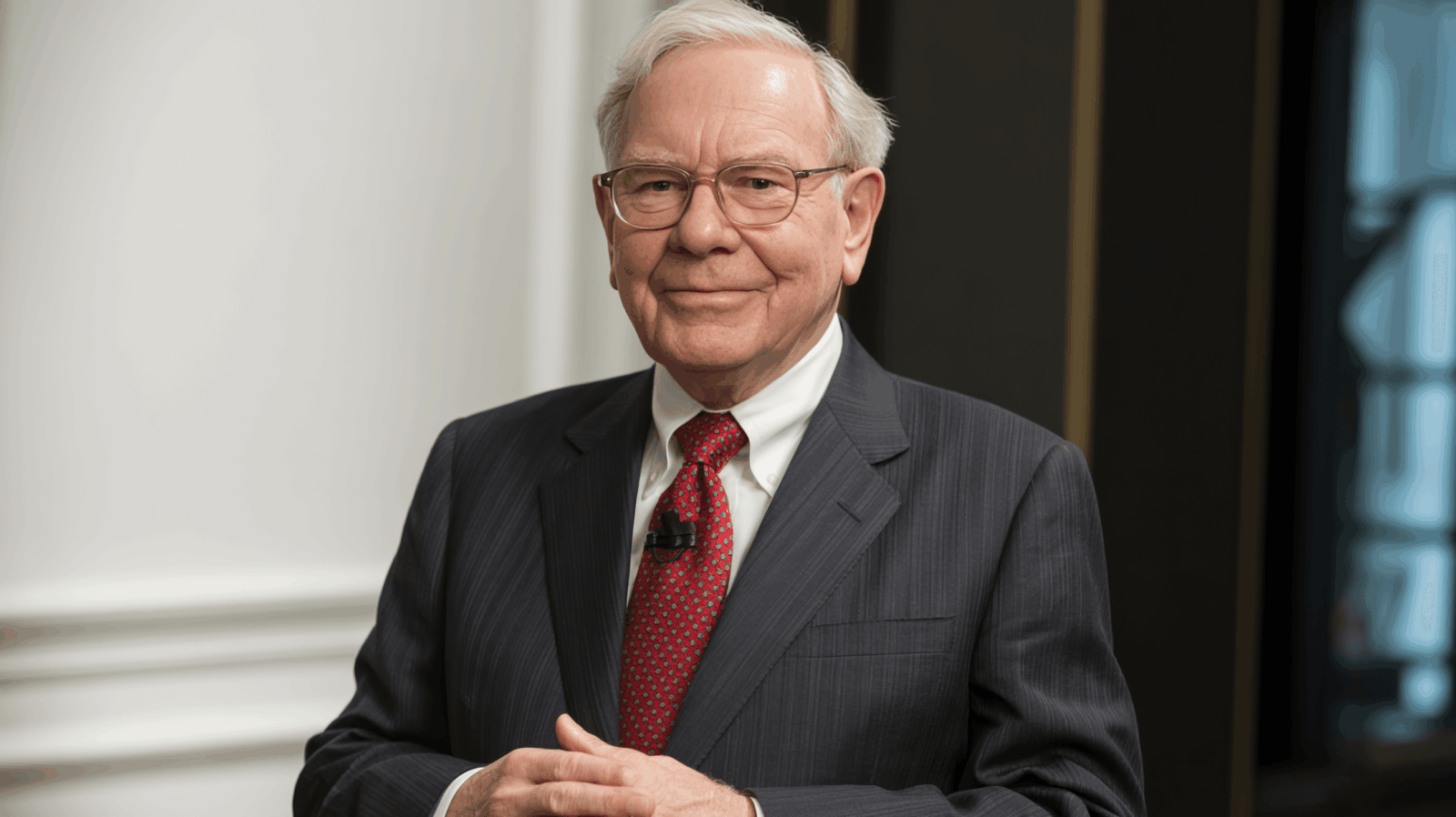
Warren Buffett has spent more than seven decades mastering the art of investing, transforming Berkshire Hathaway into one of the most valuable companies on Earth. Yet the Oracle of Omaha insists his success has little to do with genius-level intellect or secret formulas.
Instead, Buffett points to something far more accessible: the ability to manage your own psychology. The biggest obstacles standing between most investors and lasting wealth aren’t found in market conditions or economic cycles. They live inside the investor’s own mind. Here are five psychological traps Buffett has warned against throughout his legendary career.
1. Following the Crowd When Markets Get Emotional
“Be fearful when others are greedy and greedy when others are fearful.” – Warren Buffett.
This remains one of Buffett’s most quoted pieces of wisdom, and for good reason. Human beings are wired to follow the herd. When everyone around us is buying, we feel compelled to join in. When panic sets in, and people start selling, our instinct screams at us to run for the exits alongside them.
This herd mentality feels safe in the moment but proves devastating for long-term wealth building. Investors who buy during market euphoria often pay overpriced prices for assets at their peak. Those who sell during downturns lock in losses and miss the eventual recovery.
Buffett has built his fortune by doing the opposite of what crowds do during emotional extremes. He views market panic as an opportunity to acquire quality businesses at discounted prices. When others celebrate and bid prices to unreasonable heights, he steps back and waits patiently for better opportunities.
2. Letting Impatience Destroy Your Returns
“The stock market is a device for transferring money from the impatient to the patient.” – Warren Buffett.
We live in a world of instant gratification. Food arrives at our door in minutes. Information travels across the globe in seconds. This conditioning makes patience feel almost unnatural, especially when money is involved.
Yet wealth building operates on an entirely different timeline. The power of compounding needs years, even decades, to work its magic. The investor who constantly checks prices, reacts to daily headlines, and jumps in and out of positions undermines this powerful force.
Buffett has held some of his investments for more than 30 years. He understands that great businesses need time to grow earnings, expand operations, and reward shareholders. The impatient investor who sells a quality holding after a few disappointing quarters often watches from the sidelines as that same investment delivers extraordinary returns to those who stayed the course.
3. Ignoring the Importance of Emotional Temperament
“The most important quality for an investor is temperament, not intellect.” – Warren Buffett.
Many people assume successful investing requires exceptional intelligence, advanced degrees in finance, or access to sophisticated analytical tools. Buffett disagrees. He argues that average intelligence combined with the right temperament will outperform brilliance paired with emotional instability.
Temperament in investing means staying calm when markets swing wildly. It means resisting the urge to act on every piece of news or follow every hot tip. It takes discipline to stick with a sound strategy even when it temporarily underperforms.
Knowledgeable investors often fail because they can’t control their emotional responses to market volatility. They overthink decisions, second-guess themselves, and let fear or excitement override their logical analysis. The steady, even-tempered investor who follows a simple plan consistently will usually build more wealth than the brilliant but erratic trader.
4. Taking Risks Without Understanding What You Own
“Risk comes from not knowing what you’re doing.” – Warren Buffett.
Many investors chase returns in areas they don’t understand. They buy complex financial products, invest in industries they can’t explain, or follow tips about companies they’ve never researched. This approach turns investing into gambling.
Buffett has always emphasized staying within his circle of competence. He famously avoided technology stocks for years because he felt he couldn’t reliably predict which companies would dominate the industry. This discipline cost him some gains but also protected him from catastrophic losses in areas where his judgment would have been unreliable.
Actual investment risk isn’t about volatility or short-term price swings. It’s about the permanent loss of capital that occurs when you invest in something you don’t fully understand. The investor who deeply understands a business can hold confidently through temporary setbacks. The investor operating outside their knowledge base panics at the first sign of trouble because they can’t distinguish temporary problems from fatal flaws.
5. Confusing Activity With Progress
“Benign neglect, bordering on sloth, remains the hallmark of our investment process.” – Warren Buffett.
Modern brokerage platforms make trading effortless. With a few taps on a smartphone, anyone can buy or sell securities instantly. This accessibility creates a dangerous temptation: the belief that more activity leads to better results.
Buffett takes the opposite approach. He makes relatively few investment decisions and holds positions for extended periods. He recognizes that every transaction carries costs, both explicit fees and the tax consequences of realizing gains. More importantly, frequent trading usually reflects emotional decision-making rather than rational analysis.
The urge to do something during market turbulence is powerful. Sitting still while your portfolio value fluctuates requires tremendous psychological discipline. Yet Buffett’s track record demonstrates that patience, when applied to quality holdings, produces superior long-term results compared to constant portfolio shuffling.
Conclusion
Warren Buffett’s investment philosophy ultimately comes down to mastering yourself before attempting to master the market. The five psychological traps he warns against share a common thread: they all involve letting emotions override rational thinking.
Following crowds, demanding instant results, lacking emotional stability, operating outside your knowledge, and mistaking activity for progress are all profoundly human tendencies. Overcoming them doesn’t require exceptional intelligence or privileged access to information.
It requires honest self-awareness and the discipline to act against your instincts when those instincts lead you astray. Buffett’s greatest lesson may be that the path to investment success runs not through Wall Street but through your own psychology. Master that internal landscape, and the external results will follow.