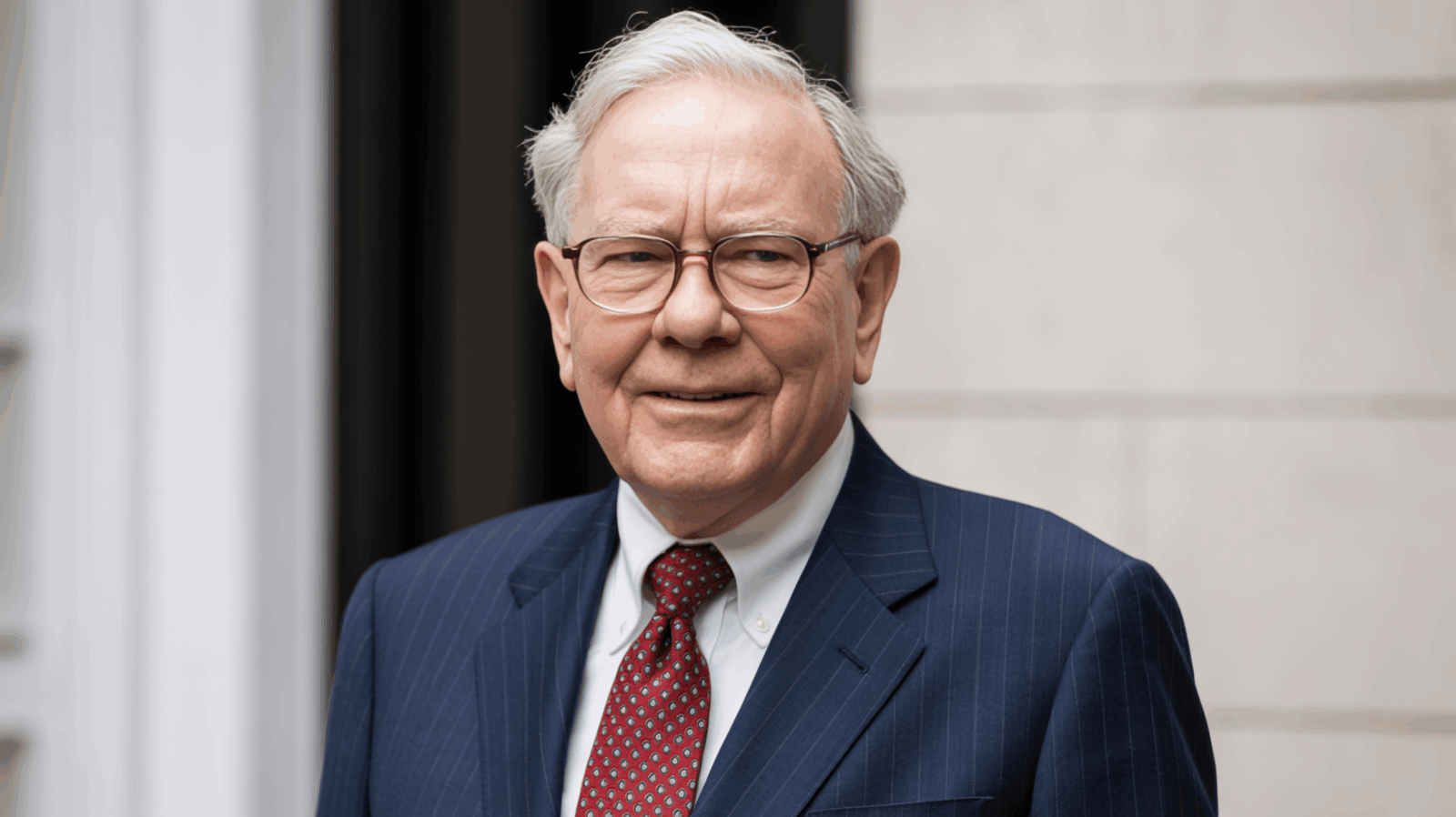
Warren Buffett has spent more than seven decades studying markets, businesses, and the people who trade them, invest in them, and run them. What he found is that most investing mistakes aren’t about numbers. They are about human nature.
The impulses that make us human, such as fear, greed, pride, and impatience, quietly drain wealth over a lifetime. The lessons below come from Buffett’s shareholder letters, Berkshire annual meetings, and decades of interviews. Most people encounter these truths eventually. The fortunate ones learn them early enough to act.
1. Fear and Greed Run the Market
“Be fearful when others are greedy and greedy when others are fearful.” — Warren Buffett.
Buffett has made this point repeatedly because most investors do the opposite. They buy after prices have risen and sell after prices have fallen, following the crowd straight into poor returns.
Recognizing that mass emotion, not logic, drives short-term prices is one of the most powerful edges an investor can develop. It doesn’t come naturally, which is why so few people actually use it.
2. Reputation Takes Decades to Build and Minutes to Lose
“It takes 20 years to build a reputation and five minutes to ruin it. If you think about that, you’ll do things differently.” — Warren Buffett.
Buffett has given this warning to Berkshire managers for years because the temptation to cut corners often appears when everything is going well. A single ethical lapse can undo a career built over a lifetime.
This lesson extends well beyond business. In relationships and careers, trust is the foundation on which everything else rests. Once it cracks, almost nothing else matters.
3. Patience Is a Competitive Advantage Almost Nobody Uses
“The stock market is a device for transferring money from the impatient to the patient.” — Warren Buffett.
Most people understand patience in theory and abandon it in practice. When markets drop, or progress slows, the urge to act feels overwhelming. Doing nothing feels like failure even when it is the correct move.
Buffett’s career is proof that sitting still while others panic is a repeatable strategy. The returns don’t come from activity. They come from discipline applied over long stretches of time.
4. Price and Value Are Never the Same Thing
“Price is what you pay. Value is what you get.” — Warren Buffett.
Most people treat price as a signal of quality. A higher price feels safer. A lower price triggers suspicion. This instinct, which works reasonably well at a grocery store, is a liability in investing and in life.
Buffett trained himself to think independently about what something is worth before considering what it costs. That gap between price and value is where opportunity lives, and most people are too distracted by the price tag to notice.
5. The Best Investment You’ll Ever Make Is in Yourself
“The most important investment you can make is in yourself.” — Warren Buffett.
Buffett has pointed to his own experience to illustrate this. He credits a Dale Carnegie public speaking course as one of the most valuable things he has ever done, not a stock pick or a business deal.
Skills, knowledge, and habits compound just as money does. A person who invests in their own abilities consistently builds something that inflation can’t touch and markets can’t take away.
6. Avoiding Big Losses Matters More Than Scoring Big Wins
“Rule No. 1: Never lose money. Rule No. 2: Never forget Rule No. 1.” — Warren Buffett
This isn’t a mathematical trick. It’s a statement about human psychology. Losses hurt more than equivalent gains feel good, and they do lasting damage to compounding that is very hard to recover from.
Most people spend their energy chasing investment gains without considering the risks they are taking for the possibility of big losses. Buffett spends his energy protecting against catastrophic downside. The difference in long-term outcomes is significant.
7. Ignorance Creates Risk
“Risk comes from not knowing what you are doing.” — Warren Buffett
Conventional finance defines risk as volatility. Buffett defines it as ignorance. A stock that swings wildly isn’t risky to someone who understands the underlying business deeply. A stock that barely moves can be extremely risky to someone who has no idea what they own.
This reframing changes everything. The solution to risk isn’t diversifying into things you don’t understand. It’s building real knowledge before you commit capital.
8. The People You Choose Define the Outcomes You Get
“In looking for people to hire, you look for three qualities: integrity, intelligence, and energy. And if they don’t have the first, the other two will kill you.” — Warren Buffett.
Buffett has run Berkshire Hathaway largely by choosing the right people and then trusting them. His track record of backing managers over decades reflects how seriously he takes character as a selection criterion.
Most people evaluate others primarily on skill and credentials. Buffett evaluates character first. The lesson applies just as clearly to friendships and partnerships as it does to hiring decisions.
9. Compounding Rewards Those Who Start Early and Wait
“Someone is sitting in the shade today because someone planted a tree a long time ago.” — Warren Buffett.
Buffett began investing as a child and has often noted that most of his wealth accumulated after his fiftieth birthday. That isn’t luck. It’s what compounding looks like given enough time.
The tragedy is that most people don’t start until later in life, and even when they do, they interrupt compounding by cashing out during downturns or chasing faster returns elsewhere.
10. Saying No Is a Skill That Builds Wealth
“The difference between successful people and really successful people is that really successful people say no to almost everything.” — Warren Buffett.
Buffett’s calendar is famously sparse compared to most executives. He guards his time and attention with the same discipline he applies to capital. Every yes costs something, even when the opportunity looks attractive.
Most people spread themselves across too many commitments, investments, and distractions. Buffett’s example shows that focus and selectivity, applied consistently over time, produce results that frantic activity never will.
Conclusion
Buffett’s deepest lessons aren’t really about stocks or businesses. They are about the patterns of thought and behavior that determine outcomes across an entire lifetime. Fear, impatience, ego, and poor judgment about people are the real enemies of wealth.
None of these requires genius or luck to apply. They require honesty about your own tendencies and the willingness to act against the crowd when the evidence calls for it. Most people learn these truths eventually. The goal is to learn them before the cost becomes too high to recover from.