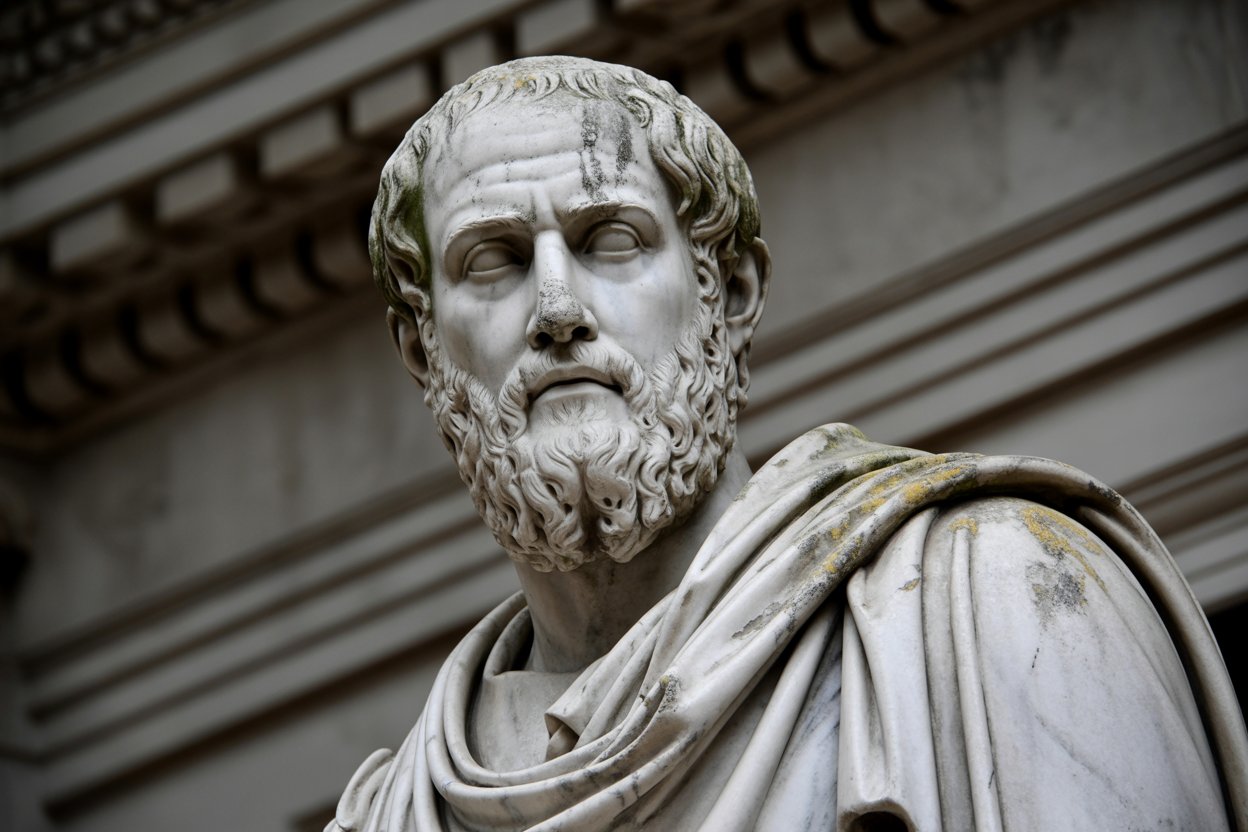
The ancient Stoics understood something modern psychology is only now confirming: lasting personal change isn’t about positive thinking or momentary inspiration. It’s about systematically rebuilding how you interpret reality, respond to adversity, and construct your daily habits.
Stoic psychology views self-transformation not as a sudden breakthrough, but as a disciplined process of internal re-engineering. The core premise is straightforward—lasting change comes from mastering your judgments, not controlling external circumstances.
1. Control the Internal, Release the External
At the foundation of Stoic psychology lies the dichotomy of control, a principle that divides all of life into two distinct categories. The first includes everything within your control: your thoughts, beliefs, interpretations, choices, and actions. The second encompasses everything outside your control: outcomes, other people’s opinions, natural events, and circumstances beyond your influence.
Psychological growth begins when you systematically withdraw attention from externals and redirect it toward your internal responses. This isn’t about denial or detachment—it’s a strategic reallocation of mental energy toward the only domain where you possess actual power. When you stop investing emotional capital in things you can’t change, you reduce anxiety and emotional reactivity while increasing agency and clarity.
The transformation happens through consistent practice. Each time you catch yourself worrying about an outcome beyond your control, you redirect that energy toward preparing your response. This gradual rewiring creates a more stable psychological foundation that remains intact even when circumstances shift unexpectedly.
2. Beliefs Shape Emotions, Not Events
Stoic psychology anticipated modern cognitive behavioral therapy by nearly two thousand years. The central insight is that events themselves don’t cause emotions, but rather the judgments you attach to those events. This distinction relocates the source of emotional distress from the external world to your internal narrative.
Two people can experience identical circumstances yet have entirely different emotional responses. A financial setback can devastate one person while another views it as temporary feedback. The difference isn’t in the event—it’s in the story each person tells themselves. Loss isn’t inherently devastating; the belief that “this should not have happened to me” creates the suffering.
Self-transformation becomes the process of auditing and upgrading your belief systems. You examine the automatic interpretations your mind generates, question their validity, and consciously replace them with more rational alternatives. This isn’t self-deception—it’s self-correction, replacing distorted judgments with ones that align more closely with reality.
3. Voluntary Discomfort Builds Psychological Strength
The Stoics deliberately practiced mild discomfort as a core component of psychological training. They engaged in cold exposure, periodic fasting, and voluntary simplicity. These practices served a specific psychological function: building resilience.
Voluntary discomfort increases your distress tolerance—the capacity to experience uncomfortable sensations without spiraling into panic or avoidance. It reduces fear-based decision-making by demonstrating that discomfort is not inherently dangerous. When you’ve deliberately chosen to be cold or hungry and survived just fine, minor inconveniences lose their power to derail your plans.
This training builds confidence in your ability to endure adversity. Your nervous system learns to remain calm under pressure, a key trait of individuals who have transformed. You’re no longer controlled by the pursuit of comfort or the avoidance of pain, which frees enormous mental bandwidth for pursuing meaningful goals.
4. Identity Is Formed Through Repeated Action
Stoicism rejects motivation as unreliable and instead emphasizes habitual behavior aligned with virtue. You don’t become better by thinking differently; you become better by acting correctly consistently. This aligns with the principles of behavioral psychology: actions precede changes in belief.
Your repeated behaviors gradually reshape your identity. When you consistently act with courage despite feeling afraid, you begin to see yourself as courageous. Over time, behavior reshapes identity, identity stabilizes character, and character determines destiny.
This offers hope for anyone feeling trapped by current behavioral patterns. You don’t need to wait until you feel motivated or until your beliefs change. You begin acting in alignment with the person you want to become, and the psychological transformation follows. Each small action is a vote for the identity you’re constructing.
5. Rational Self-Observation Creates Freedom
The Stoics practiced daily reflection, reviewing their actions, emotional responses, and failures without self-condemnation. This discipline creates emotional distance from your impulses, allowing you to observe them rather than being swept away by them.
Transformation occurs when automatic reactions are replaced with deliberate responses. The space between stimulus and response is precisely what Stoic self-observation cultivates. You catch yourself in the moment of interpretation, pause, and consciously choose a more rational judgment.
This practice requires honesty without brutality. You examine your day not to reinforce shame, but to learn from it. Where did you lose composure? What triggered anxiety? These questions aren’t accusations—they’re data collection for ongoing self-improvement.
6. Virtue as the Ultimate Psychological Anchor
Unlike modern frameworks that prioritize happiness or success, Stoicism prioritizes virtue: wisdom, courage, justice, and temperance. This reorientation provides a psychological anchor that external circumstances can’t destabilize. When you base self-worth on character rather than outcomes, your self-esteem becomes stable regardless of what happens around you.
External volatility loses its power to define your internal state. Market crashes, career setbacks, relationship difficulties—none of these can diminish your worth if your worth is measured by how you respond rather than what you achieve. This isn’t resignation—it’s recognition that you control your character but not your outcomes.
The transformed Stoic isn’t emotionally numb. They’re emotionally disciplined. They feel deeply but aren’t controlled by those feelings. They care about outcomes but aren’t devastated by unfavorable results.
Conclusion
Stoic self-transformation is the systematic replacement of impulsive living with rational mastery. It’s a long-term psychological training process that strengthens emotional regulation, reduces unnecessary suffering, and produces a calm, resilient, self-directed individual.
By controlling what’s internal, examining your beliefs, embracing discomfort, building character through action, observing yourself rationally, and anchoring to virtue, you can fundamentally transform how you experience life.
The psychology is ancient, but its relevance to modern challenges remains as powerful today as when the first Stoics developed these practices in Athens and Rome.