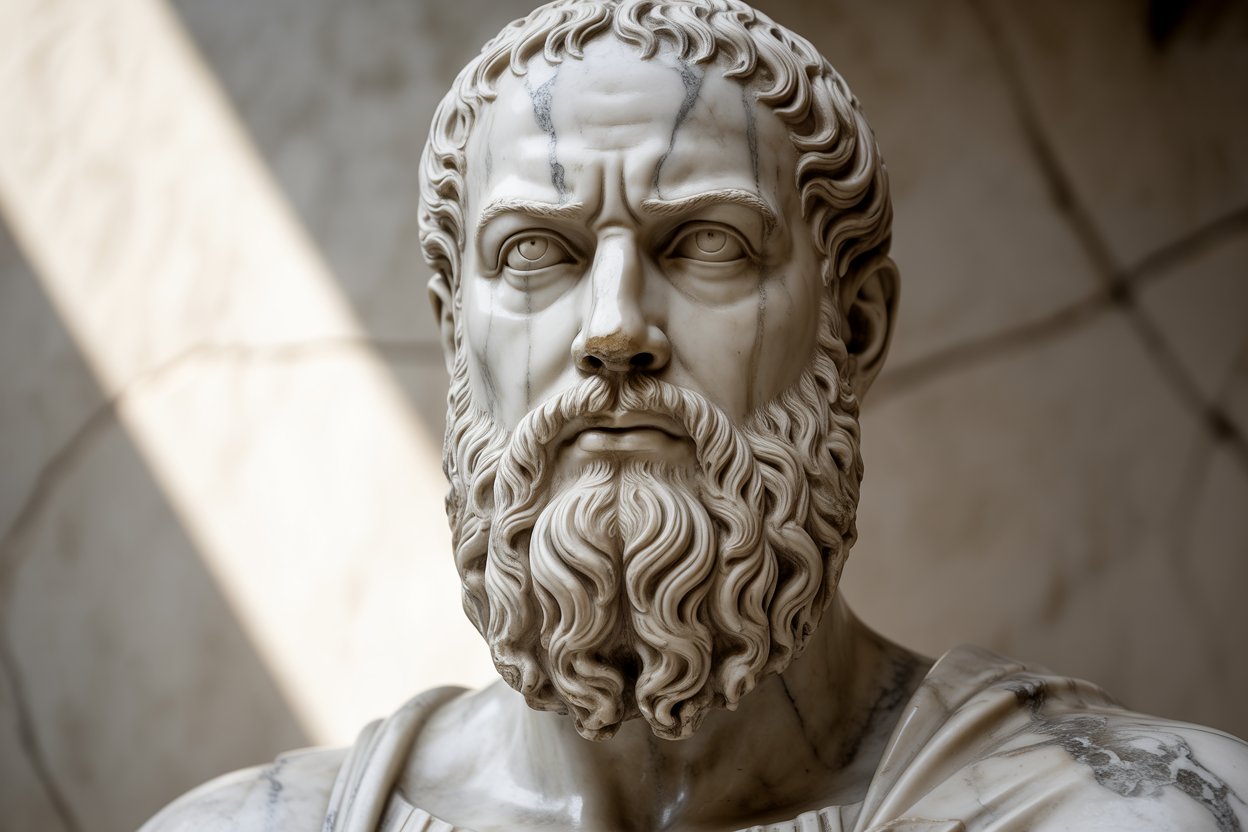
Most people think Stoicism is about staying calm when things go wrong. That’s the surface level. The more profound truth is that Stoicism fosters mental fortitude through rigorous daily practices, distinguishing those who merely cope from those who thrive under pressure.
The following ten advanced habits, drawn from the teachings of Marcus Aurelius, Epictetus, and Seneca, train the mind to fully embrace reality while transcending the emotional volatility that drains most people’s energy and decision-making power.
1. Radical Ownership of Interpretation
Advanced Stoics don’t just accept difficult events; they also strive to understand them. They rigorously audit the story they tell themselves about what happened. When something goes wrong, they treat emotional disturbance as a cognitive error rather than an inevitable consequence of circumstances.
Epictetus taught that suffering begins at judgment, not at impact. The event itself is neutral until you assign meaning to it. Mentally strong people recognize this gap between what happens and what they think about what happens, and they exploit it ruthlessly.
They ask themselves whether their interpretation serves them or harms them, then they choose deliberately. This isn’t positive thinking or self-deception. It’s the recognition that you control the lens through which you view reality, and that control is your most significant power.
2. Negative Visualization With Strategic Detachment
This practice goes far beyond casual pessimism or catastrophizing. Mentally strong Stoics deliberately visualize loss to weaken emotional dependency and sharpen gratitude without spiraling into anxiety. They imagine losing their job, their health, their relationships, not to torture themselves but to build calm readiness.
When you mentally rehearse adversity, you’re less shocked when it arrives. You’ve already processed the emotional weight. This creates a form of psychological immunity. The practice also reveals what you’re clinging to unnecessarily and where your sense of security rests on unstable ground. By confronting potential loss directly, you strip it of its power to devastate you.
3. Ego Death in Decision-Making
Advanced Stoics routinely act against ego, pride, and social signaling. They subordinate reputation, validation, and appearing right to truth and virtue. Marcus Aurelius warned against living for applause. Most people make decisions to protect their image or avoid embarrassment. Mentally strong people recognize this trap and walk straight through it without getting caught in it.
They admit mistakes publicly, change their minds when evidence demands it, and pursue what’s correct rather than what makes them look smart. This doesn’t mean they lack confidence. It means they’ve detached their sense of worth from external validation. When you stop defending your ego, you free enormous mental energy for clear thinking and ethical action.
4. Asymmetric Emotional Exposure
Mentally strong Stoics deliberately expose themselves to discomfort, criticism, and uncertainty while strictly limiting exposure to envy, outrage, and trivial noise. They treat attention as a scarce strategic asset. This means they’ll take on challenges that stretch them, invite feedback that stings, and sit with ambiguity that makes others anxious.
But they won’t scroll social media for hours, consume outrage content, or engage in comparison games. They understand that not all discomfort is equal. Some strengthen you. Some degrade you. The difference is intentionality. They choose what enters their mind and what doesn’t, protecting their psychological environment as carefully as their physical one.
5. Evenness in Victory and Defeat
This habit trains you to experience success and failure with near-equal emotional weight. Wins don’t inflate your identity. Losses don’t diminish it. Seneca emphasized stability over emotional highs. Most people ride a psychological rollercoaster where good news launches them into euphoria and bad news crashes them into despair. This volatility is exhausting and clouds judgment.
Mentally strong Stoics flatten the curve. They accept both outcomes as temporary and external. Their sense of self remains constant because it’s rooted in something more profound than results. This evenness allows them to assess situations clearly, learn from mistakes without shame, and enjoy success without becoming dependent on it.
6. Practice Voluntary Discomfort
Epictetus and Seneca advocated deliberately choosing hardship to build resilience against involuntary suffering. This might mean taking cold showers, fasting periodically, or sleeping on the floor. The point isn’t asceticism for its own sake. It’s proving to yourself that you can endure discomfort, which reduces your fear of loss and strengthens your character.
When comfort becomes a requirement rather than a preference, you become fragile. Mentally strong people stay sharp by voluntarily giving up small luxuries to maintain their capacity for endurance. They don’t want comfort to make them soft when hardship inevitably arrives.
7. Adopt the View from Above
Marcus Aurelius frequently used this visualization technique. Imagine rising above your life and viewing your problems from a cosmic perspective. See your city as a dot, your concerns as fleeting moments in an infinite universe. This exercise dissolves petty anxieties and fosters humility. It reminds you of life’s transience and your interconnectedness with all things.
When you zoom out far enough, most of what troubles you becomes absurdly small. This isn’t about dismissing real problems. It’s about putting them in proper proportion so you can address them with clarity rather than panic.
8. Embrace Amor Fati (Love of Fate)
This goes beyond mere acceptance. Amor fati means actively loving whatever happens as necessary and beneficial. Epictetus urged people to accept things as they are rather than seeking to control outcomes. This transforms resentment into gratitude and turns adversity into fuel for personal growth.
When you love your fate, you stop fighting reality and start using it. You recognize that every challenge contains an opportunity to practice virtue and build strength. This isn’t naive optimism. It’s a strategic reframe that eliminates wasted energy spent on resistance and redirects it toward adaptation.
9. Cultivate True Indifference to Indifferents
Advanced Stoics distinguish between preferred indifferents, such as health and wealth, and the true good, which is virtue alone. They practice treating external circumstances with equanimity, neither craving nor fearing them, while pursuing virtue above all else.
Seneca warned against becoming attached to things outside one’s control. This habit frees the mind from constant fluctuation. When you stop tying your peace to external conditions, you achieve serene independence. You can pursue goals without becoming enslaved to outcomes. You can lose things without losing yourself.
10. Live as a Cosmopolitan
Marcus Aurelius and other Stoics expanded their ethical circle to encompass all rational beings. They saw themselves as citizens of the cosmos, extending their concern from themselves to their family, community, humanity, and beyond.
This habit combats selfishness and promotes empathy. It aligns your actions with universal nature rather than narrow self-interest. When you see yourself as part of a larger whole, your problems shrink, and your purpose expands. You act with deeper integrity because you recognize your connection to everyone and everything.
Conclusion
These habits demand consistent effort, but they yield profound freedom. They shift Stoicism from a coping mechanism to a way of flourishing in the face of uncertainty. Basic Stoicism calms the mind. Advanced Stoicism hardens it without bitterness by eliminating ego dependence, emotional volatility, and external validation.
Integrate these practices gradually, and you’ll build the mental fortitude that distinguishes influential people from those who merely appear calm on the surface.