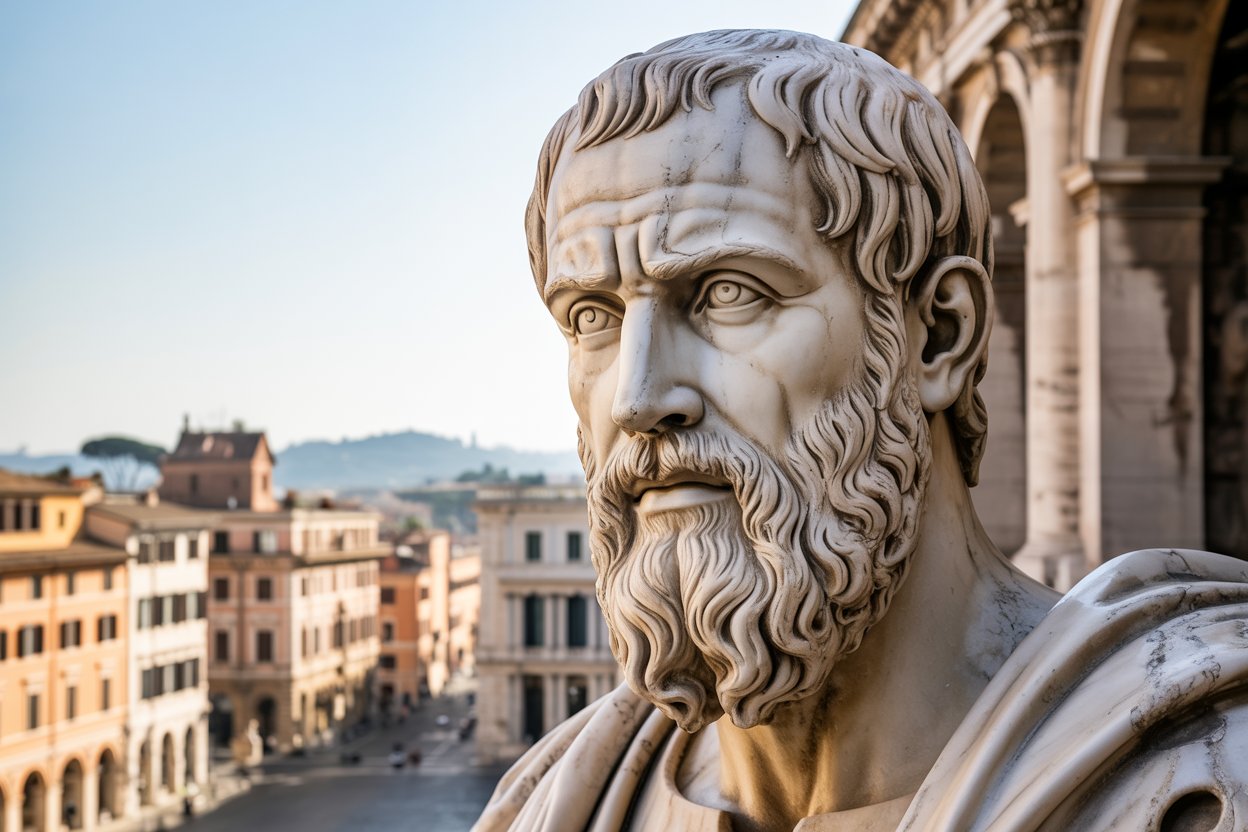
Stoic intelligence isn’t about memorizing philosophical quotes or adopting a minimalist aesthetic. It’s a collection of behavioral patterns that emerge from years of disciplined self-mastery and rational thinking. These traits develop slowly through consistent practice and can’t be manufactured overnight.
The difference between someone who understands Stoicism intellectually and someone who embodies it shows up in moments of pressure, silence, and everyday decision-making. Here are ten genuine signs that separate authentic Stoic intelligence from surface-level performance.
1. Emotional Regulation Under Pressure
True Stoic intelligence reveals itself when circumstances get stressful. The person who maintains composure during a crisis isn’t suppressing their emotions. They’re channeling them through a framework of rational response.
This trait stems from a psychological principle the Stoics understood centuries ago: you can’t control external events, but you maintain complete authority over your reactions. When faced with unexpected challenges, they create space between stimulus and response. That gap allows logic to inform their next move rather than letting panic dictate their behavior.
2. Silence Instead of Constant Opinion
The compulsion to comment on everything signals insecurity, not intelligence. Those with genuine Stoic wisdom understand that most conflicts originate from unnecessary speech. They choose restraint over reaction.
This silence doesn’t come from uncertainty. It emerges from confidence in their own judgment and recognition that not every moment requires their input. They’ve trained themselves to evaluate whether their words add genuine value or satisfy their ego. The ability to hold space without filling it demonstrates a rare form of psychological strength.
3. Detachment from Praise and Criticism
External validation operates like a drug for most people. Compliments create temporary highs, while criticism triggers defensive spirals. Those with Stoic intelligence have severed this dependency.
Their identity lives internally, anchored to principles rather than opinions. This detachment isn’t indifference to feedback. They can extract useful information from both praise and criticism without letting either define their self-worth. The psychological freedom this creates allows them to make decisions based on values rather than seeking approval or avoiding disapproval.
4. Radical Personal Responsibility
Victim mentality offers comfortable explanations for failure. Stoic intelligence rejects that comfort entirely. These individuals own every outcome, regardless of contributing external factors.
This responsibility extends beyond acknowledging mistakes. It includes recognizing how their choices, even small ones, compound over time to create current circumstances. They understand that their character shapes their destiny through daily decisions. This mindset shift transforms them from passive recipients of circumstance into active architects of their life trajectory.
5. Long-Term Thinking
The ability to sacrifice short-term pleasure for long-term stability separates those with Stoic intelligence from impulsive decision-makers. They’ve developed the cognitive framework to evaluate choices through extended time horizons.
This isn’t about delayed gratification tricks or willpower hacks. It’s a fundamental reorientation of how they process decisions. They automatically calculate compound effects, considering how today’s choices create tomorrow’s constraints or opportunities. Discipline doesn’t feel like deprivation to them because they’ve internalized the mathematics of time and consequence.
6. Comfort with Discomfort
Seeking constant comfort weakens psychological resilience. Those with Stoic intelligence deliberately expose themselves to controlled discomfort as a form of training. Cold exposure, fasting, difficult conversations, or financial discipline all serve the same purpose.
They understand that resilience builds through incremental stress, not avoidance. Each uncomfortable experience they voluntarily engage in expands their capacity to handle involuntary hardship. This practice creates a buffer zone between external circumstances and internal equilibrium. When real adversity arrives, their nervous system doesn’t panic because it has learned discomfort won’t destroy them.
7. Clear Boundaries
The inability to say no reflects unclear values and fear of disappointing others. Stoic intelligence manifests through firm boundaries maintained without guilt or excessive explanation. They protect their time, energy, and principles.
These boundaries aren’t rigid walls built from insecurity. They’re clear parameters established through careful evaluation of what matters most. When they decline requests or opportunities, they do so with certainty because they’ve already determined their priorities. This clarity eliminates the internal conflict that plagues those who say yes to everything while resenting the obligations they’ve accepted.
8. Rational Over Reactive
The space between stimulus and response determines the quality of most decisions. Those with Stoic intelligence have trained themselves to pause before responding, allowing logic to lead while emotion follows.
This trait requires recognizing physical signs of activation in the body. When anger, fear, or excitement surge, they’ve developed the meta-awareness to notice these states without being controlled by them. They can feel the emotion fully while simultaneously engaging rational analysis. The result is responses that align with their principles rather than temporary emotional states.
9. Consistent Principles
People who perform differently in private than in public reveal fragmented values. Stoic intelligence creates behavioral consistency across all contexts because its actions flow from internalized principles rather than external expectations.
They don’t need an audience to maintain standards. Their integrity isn’t a performance for others to witness but a private commitment to their own character. This consistency eliminates the cognitive dissonance that comes from maintaining multiple versions of yourself. The psychological energy most people spend managing different personas gets redirected toward meaningful action.
10. Acceptance Without Resignation
The final sign distinguishes Stoic intelligence from passive fatalism. They accept reality as it is without surrendering agency over what comes next. This combination of calm acceptance and disciplined action creates a powerful mindset.
They don’t waste energy fighting circumstances they can’t change, but they also don’t use acceptance as justification for inaction. This dual capacity allows them to acknowledge difficult situations clearly while simultaneously engaging their power to influence outcomes within their control. The result is action informed by reality rather than wishful thinking or helpless surrender.
Conclusion
These ten signs can’t be manufactured through affirmations or weekend workshops. They emerge through years of consistent practice and genuine commitment to Stoic principles. The path to developing them requires honest self-assessment, deliberate training in discomfort, and patience with incremental progress.
Start by selecting one trait and building the daily habits that support it. Stoic intelligence isn’t about perfection across all domains simultaneously. It’s about steady advancement in self-mastery, one decision at a time.
The authentic markers of this philosophy reveal themselves not in what people say, but in how they navigate pressure, silence, criticism, and the ordinary moments that test their character when nobody’s watching.