People who enjoy being alone are often misread. A quiet person can look distant from the outside, even when they have close relationships and care deeply about the people in their life.
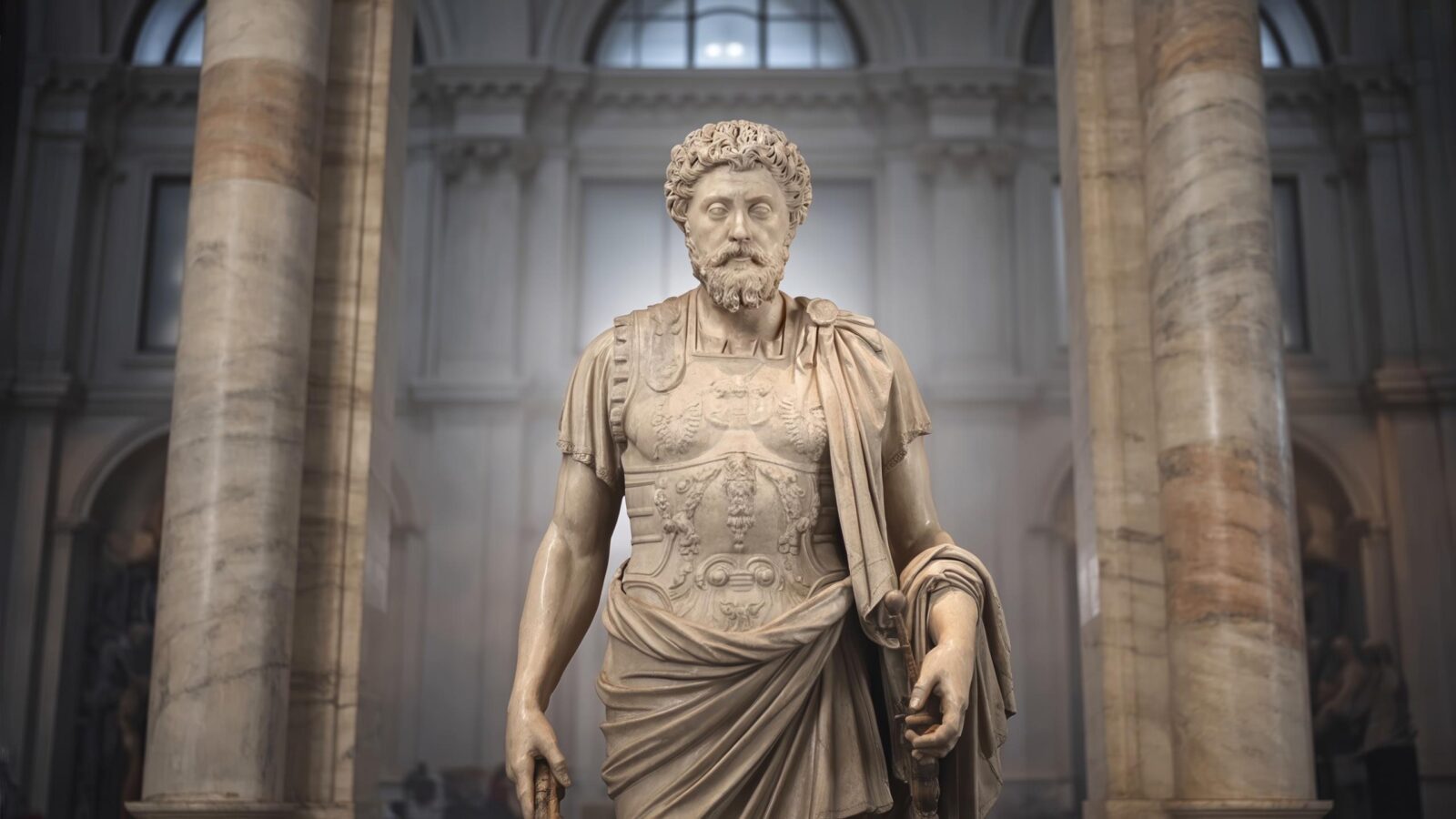
Marcus Aurelius did not treat solitude as a rejection of society. In Meditations, he wrote about the value of self-command, private reflection, and doing one’s duty without needing a crowd nearby to feel whole.
His advice came from a life full of public pressure. As emperor, he dealt with war, illness, politics, and constant demands, yet his personal writing returns to the same idea: a steady mind gives a person somewhere safe to think.
For people who like time alone, that idea will feel familiar. Quiet can offer room to think, recover from noise, and put everyday frustrations in their proper place.
1. They Can Find Rest Within Themselves
“Nowhere can a man find a quieter or more untroubled retreat than in his own soul.” – Marcus Aurelius, Meditations 4.3
Many people look outward when life becomes too loud. They may reach for entertainment, conversation, travel, or their phone because silence leaves them uneasy.
Someone who likes being alone has a different relationship with quiet. They can sit in a room without filling every spare minute with entertainment, and their own thoughts do not feel like an emergency that needs to be escaped.
Marcus Aurelius wrote that people seek retreats in the country, by the sea, or in the hills. He understood the appeal, yet he believed the most dependable retreat was found in a person’s own mind.
This trait does not mean a person never feels stressed or sad. It means they have learned to pause, examine what is bothering them, and settle down before a rough moment turns into a larger disaster.
Solitude gives them space to review a decision, write down a thought, read, or let the day quiet down. They do not need ideal surroundings to regain some peace.
2. They Do Not Build Their Self-Worth On Approval
“A man should stand erect, not be kept erect by others.” – Marcus Aurelius, Meditations 3.5
People who are comfortable alone usually have a stronger private standard for their behavior. Praise feels good, and criticism can sting, yet neither one gets to decide their entire sense of worth.
Marcus Aurelius used the image of a person standing upright under their own strength. He was talking about moral independence, the ability to act decently even when there is no audience offering applause.
That kind of person can make choices others do not understand. They may spend a Friday night at home, leave a draining social group, or follow an interest that attracts little attention from anyone else.
There is a cost to living by outside approval. A person starts performing for reactions, then loses touch with what they actually think and want.
People who enjoy their own company are more likely to avoid that trap. They can ask whether they acted fairly, worked honestly, and handled a situation well, even if nobody congratulates them.
3. They Waste Less Time On Gossip
“He who does not observe what his neighbor says or does or thinks, but only what he does himself, makes his life tranquil.” – Marcus Aurelius, Meditations 4.18
Gossip has a strange pull because it makes other people’s lives feel urgent. Hours can disappear while someone follows gossip, studies a person’s choices, or tries to decode what another person meant.
Marcus Aurelius urged himself to return his attention to his own conduct. He saw how much mental energy gets burned up by watching other people too closely.
People who like solitude often have less of an appetite for this kind of noise. They may care about friends and family, but they do not feel compelled to monitor every social shift around them.
That distance can make them seem detached. Often, it is simply a boundary around their attention, which is one of the few resources every person has to spend carefully.
They can let others have their opinions and their mistakes. Then they return to their own work, their own responsibilities, and the people who genuinely matter to them.
4. They Take Charge Of Their Reactions
“Be like the promontory against which the waves continually break, but it stands firm and tames the fury of the water around it.” – Marcus Aurelius, Meditations 4.49
Time alone can expose a person’s thought patterns. Without friends around to distract or reassure them, they face their irritation, fear, disappointment, and impatience head-on. Marcus Aurelius compared a steady person to a rocky point against the sea. The waves keep coming, yet the rock stays where it is.
People who are at ease in solitude often learn this kind of emotional discipline. They have time to cool off before sending an angry text, making an impulsive purchase, or turning a minor setback into a personal crisis.
They do not always control their feelings right on the first try. Still, they are more likely to sort through the feeling privately before making it everybody else’s problem. That habit creates practical strength. When trouble arrives, they can focus on the next sensible action instead of waiting for someone else to rescue them from their own panic.
5. They Can Help Others Without Clinging To Them
“We are made for cooperation, like feet, like hands, like eyelids, like the rows of the upper and lower teeth.” – Marcus Aurelius, Meditations 2.1
Enjoying solitude does not make a person antisocial. Marcus Aurelius believed human beings were made to work together and to treat one another as partners in a shared life.
The person who likes being alone can still be an excellent friend, spouse, parent, coworker, or neighbor. Their quiet nature may even make them better listeners because they do not need every conversation to revolve around their own needs.
They can offer help without keeping score. They can enjoy company without demanding constant contact, and they can give someone space without treating it as a personal insult.
This is a mature kind of independence. They value people, yet they do not expect another person to carry every burden of their happiness or give every day its meaning. After time alone, they can return to the people they care about with more patience and a clearer head. That is very different from shutting others out.
Conclusion
Marcus Aurelius saw inner stability as a form of character. People who like being alone may have a useful head start in developing it because quiet gives them regular practice with their own thoughts and reactions.
Solitude can turn unhealthy when it becomes an excuse to avoid every difficult conversation or responsibility. Used well, though, it can build self-respect, calmer judgment, and a cleaner way of showing up for other people.
The goal is not to withdraw from life. It is to become steady enough to be alone without feeling lost, and to be with others without losing yourself.