Being smarter has less to do with sounding clever than with seeing a situation clearly. It shows up when you catch a bad assumption, change your mind after new evidence, or keep an annoyance from ruining an otherwise decent day.
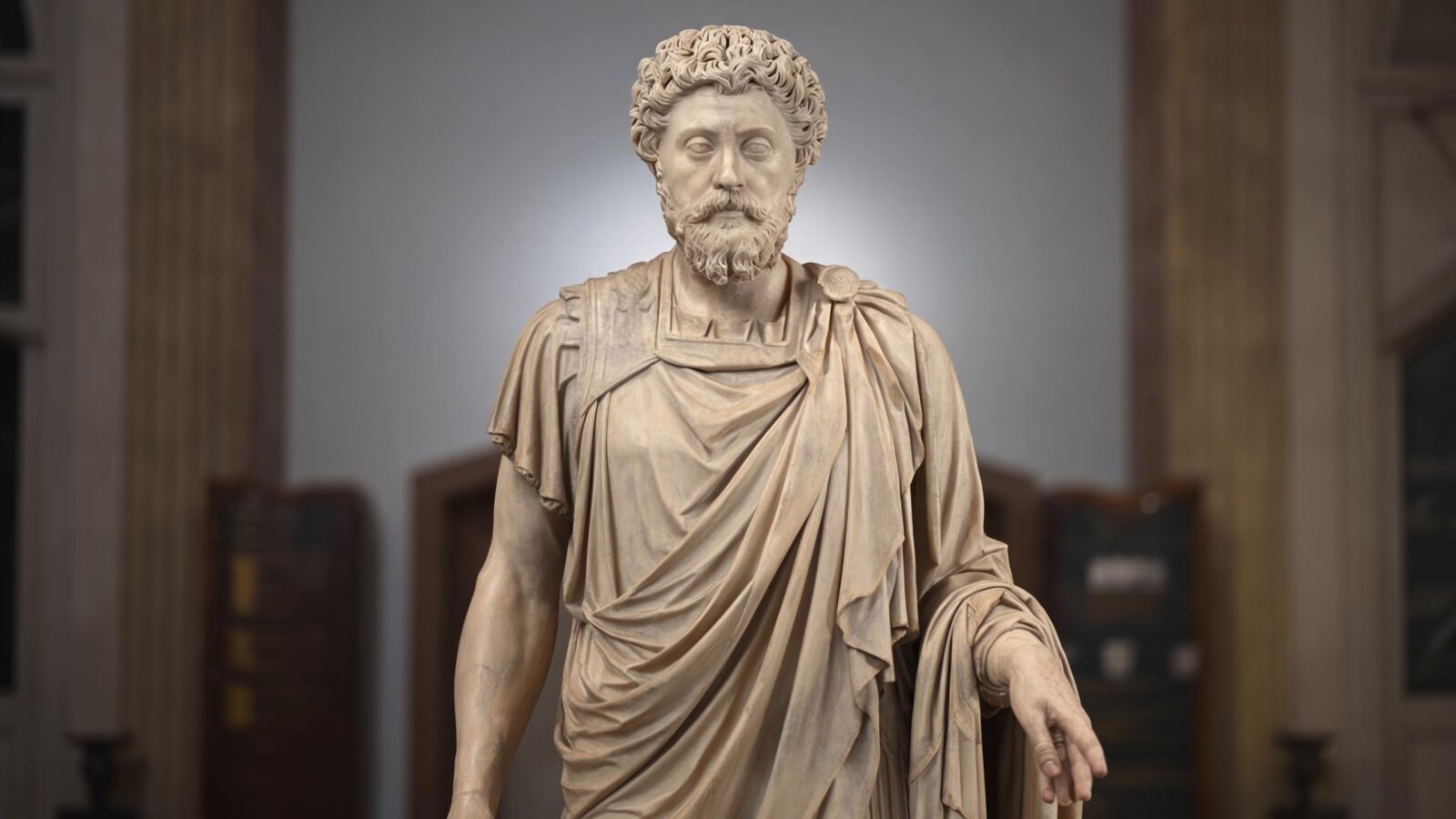
Marcus Aurelius wrote Meditations for his own use while carrying out the duties of a Roman emperor. The notes return to the same hard work: examine an impression, speak truthfully, watch your mind, and do the next useful thing.
1. Check the First Story Your Mind Tells You
“All is opinion.” – Marcus Aurelius
A thought often arrives dressed up as a fact. A friend replies with two words, a meeting goes badly, or an investment moves against you. Within seconds, the mind can build a complete explanation about disrespect, incompetence, or disaster.
Marcus Aurelius urged himself to look at events before forming an opinion. The short reply is real. The losing position is real. The story attached to either event deserves inspection.
That pause changes the quality of a decision. Instead of reacting to a private drama, you can ask what evidence is actually present and what information is missing. Sometimes the first explanation holds up. Often it does not.
Use this habit when an event makes you feel certain too fast. Put the bare facts into one sentence, then write down the conclusion your mind supplied. Seeing those two sentences side by side can prevent a great deal of needless conflict.
2. Admit When the Evidence Has Changed
“If it is not right, do not do it: if it is not true, do not say it.” – Marcus Aurelius
People protect opinions for reasons that have little to do with truth. They have already said something publicly. They spent money on a choice. They do not want to give an opponent the satisfaction of being right.
Marcus Aurelius tied conduct to truthfulness. His standard was plain: do not say what is false and do not do what is wrong. There is no room in that rule for a flattering explanation designed to protect the ego.
When you make a rushed call, say so. When you ignored contrary evidence, say that too. Plain language turns a mistake into usable information instead of leaving it buried beneath excuses.
3. Study Your Own Patterns
“Look within. Within is the fountain of good, and it will ever bubble up, if thou wilt ever dig.” – Marcus Aurelius
It is easy to become a full-time student of other people. Their spending, politics, mistakes, and bad manners offer an endless supply of material. Very little of it tells you why you make the same poor choice again.
Looking inward means paying attention to the habits behind your own decisions. Perhaps you become impatient after a long day. Maybe praise makes you too confident. Some people avoid a hard conversation until the delay causes more trouble than the conversation would have.
A short review at night can expose these patterns. Think about one moment that irritated you, one choice you handled well, and one decision you would change. Do not turn the exercise into a courtroom where every mistake receives a harsh judgment.
The point is to know your own weak spots before they take over. A person who knows that fatigue leads to impulsive choices can delay a purchase, a message, or an investment until the next morning. That is better than treating every regret as a surprise.
4. Be Careful About What Gets Repeated in Your Head
“The things which damage the body do not make the mind worse.” – Marcus Aurelius
Repetition shapes attention. Spend a week replaying an insult, and the insult starts to occupy more space than it deserves. Spend the same week measuring your life against other people’s polished public image, and dissatisfaction can begin to look like a fact.
Stoicism does not ask you to pretend that a real problem is pleasant. It asks you to describe the problem without adding a second problem made of complaint, fantasy, and resentment. The first problem may need action. The second usually drains energy from the action.
Pay attention to what you consume as well. Gossip and outrage are easy to absorb because they ask little from the reader. Difficult books, careful reporting, and serious conversations demand more, which is one reason they are useful.
When a thought returns again and again, notice what it produces. Does it lead to a call, a plan, or a correction? If it only keeps an old grievance warm, put your attention somewhere that has work to do.
5. Use Friction as a Lesson
“The art of living is more like wrestling than dancing.” – Marcus Aurelius
Most days contain some friction. A plan fails, a person disappoints you, or an effort produces less than you expected. The Stoic response is to study the situation closely enough to find the lesson inside it.
A setback can indicate that an assumption was incorrect. An awkward conversation can expose the part you failed to explain. A loss can reveal that the risk was larger than you admitted before the outcome arrived.
After a hard outcome, write down what happened, what you controlled, and what you would change next time. Keep the notes concrete. “I should be better” tells you nothing. “I will define my exit reason before I enter” gives you an investment rule you can follow.
Conclusion
Marcus Aurelius treated clear thinking as daily labor. He kept returning to the same tasks because a mind can lose its footing in a single moment of irritation or an unexamined opinion.
Check the thought before acting on it. Tell the truth about your mistakes. Pay attention to your own habits and make use of what difficult days reveal. A corrected thought is a useful result for any day.