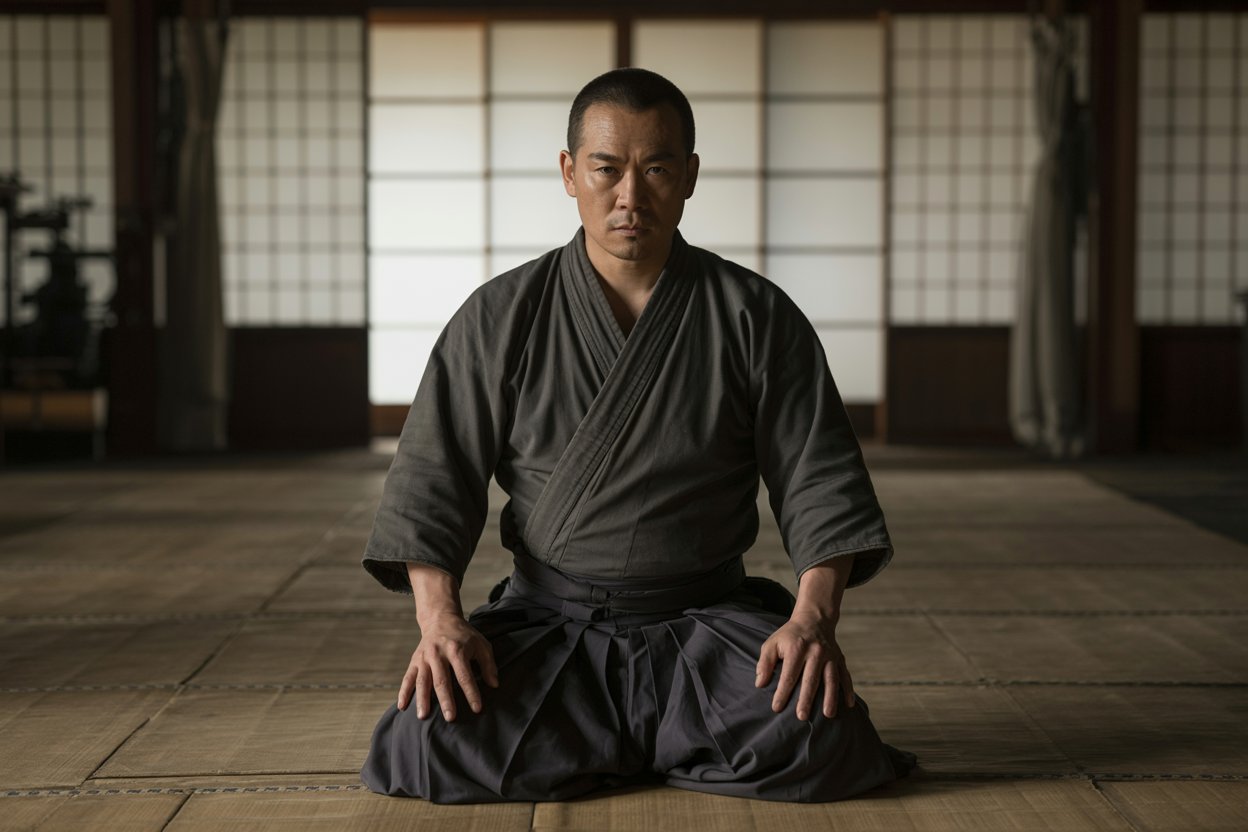
Most people want discipline. Few are willing to pursue it so relentlessly that others question their sanity. This difference separates those who achieve extraordinary results from those who settle for ordinary lives.
Miyamoto Musashi understood this truth better than almost anyone in history. The legendary Japanese swordsman never lost a duel in over 60 encounters, and his extreme approach to discipline became the foundation for his unmatched mastery.
His methods weren’t moderate or balanced. They were obsessive, all-consuming, and borderline fanatical. That’s precisely why they worked.
Understanding Musashi’s path reveals an uncomfortable reality about achieving exceptional results. Whether you’re building wealth, mastering a skill, or transforming your life, half-hearted discipline produces half-hearted results. The kind of discipline that changes lives looks excessive to everyone watching.
1. Who Was Miyamoto Musashi
Miyamoto Musashi lived in feudal Japan during the late 16th and early 17th centuries, when sword fighting wasn’t a sport but a matter of life and death. He fought his first duel at age 13 and won. He would face 60 more opponents without ever losing a single one.
But Musashi wasn’t just a fighter. He was a strategist, artist, and philosopher who spent his entire life pursuing what he called “the Way.” He lived as a wandering ronin, deliberately choosing hardship over comfort. While other warriors settled into comfortable positions, Musashi walked the country seeking opponents and testing his skills.
Near the end of his life, Musashi retreated to a cave and wrote “The Book of Five Rings,” a treatise on strategy, discipline, and mastery that remains influential today. He died in 1645, having dedicated every day of his adult life to perfecting his craft.
What made Musashi different wasn’t natural talent. It was his willingness to pursue discipline to such an extreme that most people can’t comprehend it.
2. The Path of Extreme Discipline
Musashi’s approach went far beyond what most consider dedication. He slept on the ground deliberately to stay uncomfortable. He avoided luxuries that would soften him. He practiced sword techniques thousands of times until movements became instinctive.
His training wasn’t confined to specific hours or locations. Every moment became an opportunity to sharpen his skills. He studied opponents’ psychology, observed nature for strategic insights, and treated everyday activities as training exercises. Walking became a footwork practice. Conversations became exercises in reading people.
This total immersion meant Musashi had no separation between practice and life. He didn’t “work on” swordsmanship for a few hours, then shift to relaxation mode. He embodied his discipline constantly, making choices that reinforced his path even when no one was watching.
The intensity of his commitment meant sacrificing everyday pleasures. He remained unmarried, owned minimal possessions, and avoided the social climbing that consumed other warriors. These weren’t sacrifices forced upon him but deliberate choices that supported his singular focus.
3. Why Discipline Looks Like Madness
To outside observers, extreme discipline always appears irrational. When you’re working while others relax, training while they entertain themselves, and saying no to the pleasures they chase, you may appear obsessed. You seem to be missing out on life.
This perception creates a crucial test. Most people abandon severe discipline the moment it starts looking “crazy” to others. They want discipline but also want approval, comfort, and normalcy. They want the results of extreme dedication without the social cost of actually being extremely dedicated.
Musashi didn’t care about looking normal. He understood that mastery requires becoming abnormal. The habits that create extraordinary results can’t coexist with ordinary living. You can’t achieve exceptional outcomes while maintaining average routines.
Real discipline doesn’t accommodate your desire for comfort. It demands you choose between exceptional results and social approval. The people who achieve remarkable things share this willingness to be misunderstood. They accept that their dedication will seem excessive, their focus will appear unbalanced, and their choices will seem strange to everyone living conventionally.
4. Applying Musashi’s Principles Today
You don’t need to fight duels to apply Musashi’s approach. The principles translate directly to modern challenges, whether you’re building wealth, developing skills, or transforming your life.
Start by eliminating the separation between practice and life. If you’re building financial discipline, you can’t be disciplined with money for an hour and then undisciplined for the rest of the day. Your financial habits need to govern every spending decision, every day, without exception.
Embrace discomfort as a training tool. Musashi sought challenging conditions because they revealed weaknesses. Save more than feels comfortable. Work longer than seems necessary. Practice your skill when you’d rather relax.
Test yourself in real conditions. Theoretical knowledge means nothing until it is put to the test. If you’re learning investing, put real money at risk. If you’re developing a skill, put yourself in situations where you must perform.
Accept that serious dedication will look excessive to others. When you’re building wealth while peers are spending freely, developing skills while they’re watching television, and making sacrifices they won’t consider, you’ll look obsessed. That’s the point. Extraordinary results require extraordinary dedication.
5. The Choice Between Comfort and Mastery
The fundamental choice Musashi’s life illustrates is between comfort and mastery. You can have a comfortable life or achieve remarkable things, but you can’t have both simultaneously.
This doesn’t mean suffering for the sake of suffering. It means recognizing that the discipline required for exceptional achievement eliminates many comforts. Early mornings eliminate sleeping in. Focused practice eliminates endless entertainment. Financial discipline eliminates impulsive spending.
Most people claim they want exceptional results, yet they structure their lives around comfort. They want wealth while maintaining expensive habits. They want skills while avoiding difficult practice. They want transformation while keeping everything else the same.
Musashi’s approach demands honesty about this choice. If you want mastery in any area, you must be willing to live differently from people who pursue comfort. Your daily decisions must reflect your stated goals, even when those decisions look extreme to others.
The question isn’t whether you’re capable of this level of discipline. The question is whether you want the results badly enough to consistently choose discipline over comfort.
Conclusion
Miyamoto Musashi’s legacy extends beyond sword fighting. It’s about what becomes possible when you pursue discipline so completely that others can’t understand it. His undefeated record resulted from daily choices that seemed excessive, training that appeared obsessive, and dedication that looked insane to conventional observers.
The same principle applies to any significant achievement today. Building substantial wealth requires financial discipline that looks extreme to spenders. Developing valuable skills requires practice that seems obsessive to casual learners. Transforming your life requires a commitment that may seem crazy to those content with their current situation.
The path to exceptional results has always been the same. Choose discipline over comfort. Practice when others relax. Focus when others scatter their attention. Make decisions that support your goals even when those decisions isolate you from everyday living.
Musashi spent his entire life walking this path. He never lost because he prepared more thoroughly, practiced more intensely, and committed more completely than any of his opponents. The same approach works today for anyone willing to become so disciplined that others think you’re crazy.