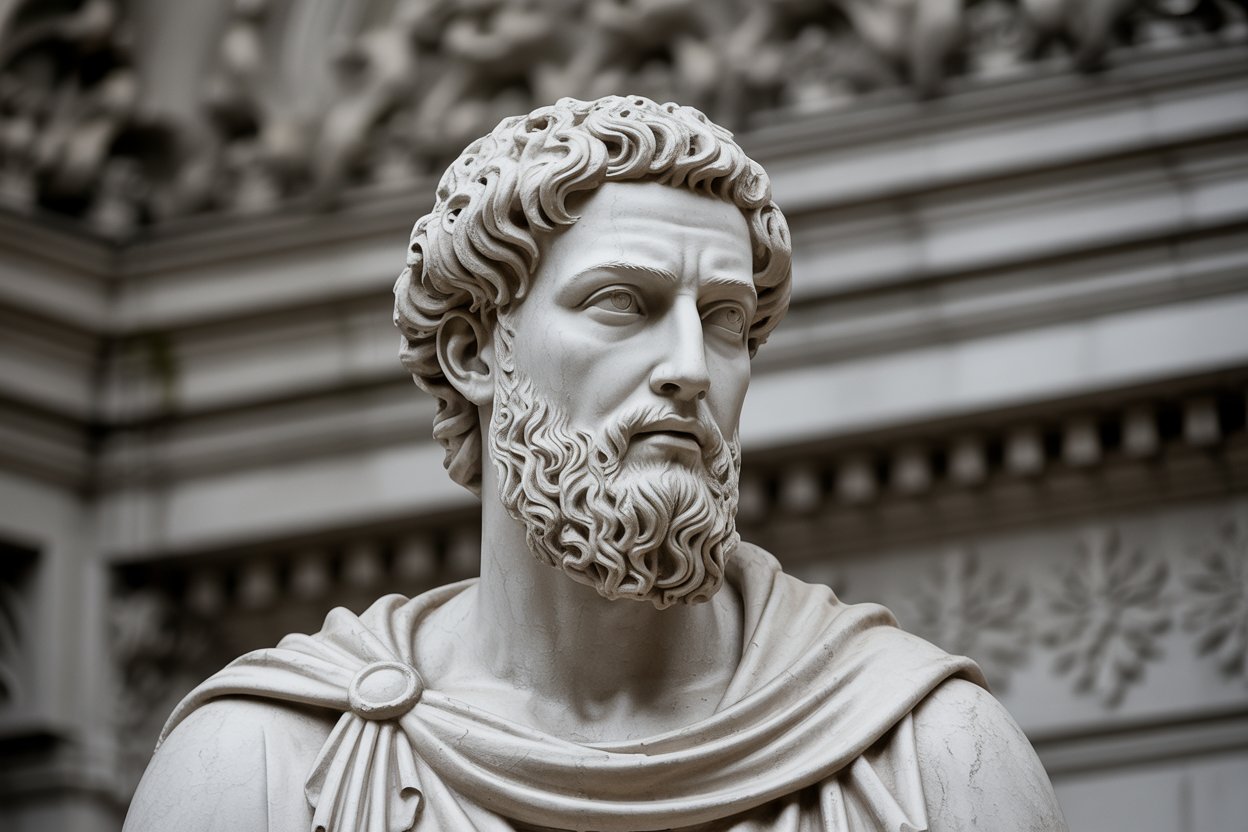
Ancient Stoic philosophy has experienced a remarkable resurgence in recent years, and for good reason. In an age of constant distraction and anxiety, the teachings of Marcus Aurelius, Epictetus, and Seneca offer practical wisdom for navigating life’s challenges with resilience and inner peace.
Unlike many philosophical traditions that remain purely theoretical, Stoicism provides actionable tools you can apply immediately. These ten books offer guidance rooted in centuries of proven wisdom for anyone facing professional setbacks, personal struggles, or seeking greater tranquility.
1. Meditations by Marcus Aurelius
Written as private journal entries by the Roman Emperor Marcus Aurelius, Meditations stands as one of history’s most potent philosophical works. What makes this book extraordinary is its intimate nature—these weren’t teachings meant for public consumption but personal reminders to help the world’s most powerful man stay humble, patient, and strong.
The wisdom within feels surprisingly modern despite being written nearly two thousand years ago. The Gregory Hays translation strips away archaic language, making the emperor’s thoughts accessible and immediate, offering concrete strategies for handling stress and maintaining perspective.
2. The Obstacle is the Way by Ryan Holiday
Ryan Holiday breathes new life into ancient Stoic wisdom by examining how historical figures transformed obstacles into opportunities. The book’s central premise—that barriers can become fuel for success—resonates deeply with modern readers seeking practical philosophy.
Holiday demonstrates through compelling examples that challenges aren’t just things to overcome but potential advantages when approached with the right mindset. His writing makes Stoic principles accessible without diluting their power.
3. How to Think Like a Roman Emperor by Donald J. Robertson
Donald Robertson brings a unique perspective to his work, drawing on his background in psychotherapy to combine ancient philosophy with modern psychological insights. The book explores Marcus Aurelius’s life and teachings, illustrating how Stoic principles influenced the emperor’s character.
Robertson’s ability to explain complex concepts in plain language has earned widespread praise. His approach demonstrates that Stoicism isn’t about suppressing emotions, but rather about developing rational responses to life’s difficulties.
4. A Guide to the Good Life by William B. Irvine
William Irvine’s book is frequently cited as the best modern introduction to Stoic philosophy. He takes ancient wisdom and demonstrates its remarkable applicability to contemporary life, showing how Stoic practices can lead to tranquility and genuine joy.
Irvine doesn’t just explain what the ancient Stoics believed—he provides a roadmap for incorporating these practices into your daily routine. The book examines how Stoic techniques help you appreciate what you have, reduce anxiety, and find satisfaction in the present moment.
5. Letters from a Stoic by Seneca
Seneca’s letters to his friend Lucilius read more like thoughtful essays than formal correspondence, making them remarkably engaging. The Roman philosopher addresses practical topics, including grief, wealth, poverty, success, and failure, with honesty and depth.
What distinguishes Seneca’s writing is his willingness to borrow wisdom from any source if it proves helpful. His direct, conversational style fosters an intimate connection with readers, as if they are receiving advice from a wise friend.
6. The Daily Stoic by Ryan Holiday
Structured as a page-per-day devotional, The Daily Stoic offers new translations of Marcus Aurelius, Seneca, and Epictetus, accompanied by contemporary commentary. This format makes Stoic philosophy easy to incorporate into your morning routine.
Each entry is brief enough to digest quickly but profound enough to reflect upon throughout the day. The book serves as an excellent starting point for newcomers while providing value to experienced practitioners seeking daily inspiration.
7. How to Be a Stoic by Massimo Pigliucci
Massimo Pigliucci takes an innovative approach by structuring his book around imaginary conversations with Epictetus, one of the most influential teachers of Stoicism. This format makes ancient wisdom feel immediate and relevant.
The book guides readers through core Stoic concepts, including the dichotomy of control, the importance of virtue, and handling adversity. Pigliucci’s engaging style helps readers understand not only what the Stoics believed but also why these ideas matter today.
8. The Practicing Stoic by Ward Farnsworth
Ward Farnsworth’s comprehensive work brings together wisdom from various Stoic philosophers, organized by topic, creating an accessible reference. Rather than focusing on a single philosopher, Farnsworth shows how different Stoic thinkers approached similar questions.
His eloquent commentary helps readers understand the nuances of Stoic philosophy while keeping explanations clear. The systematic organization makes it easy to find guidance on specific challenges, whether dealing with anger, fear, or difficult people.
9. Discourses and Enchiridion by Epictetus
Epictetus’s teachings offer compelling insights due to his unique background—he was born as an owned servant but became one of philosophy’s most respected voices. His work focuses intensely on what lies within our control versus what doesn’t.
The Discourses capture his practical teachings to students, emphasizing action over abstract theory. Epictetus’s philosophy centers on achieving freedom through wisdom, teaching that external circumstances can’t control your inner state unless you allow them to.
10. The Little Book of Stoicism by Jonas Salzgeber
Jonas Salzgeber’s concise guide distills Stoic wisdom into an accessible format perfect for newcomers. The book offers practical tools for building resilience, confidence, and calmness in daily life.
Salzgeber focuses on actionable practices rather than philosophical theory, making Stoicism immediately applicable. His clear explanations help readers understand how ancient principles can address modern challenges, such as stress and anxiety.
Conclusion
These ten books offer different pathways into Stoic philosophy, from ancient primary sources to modern interpretations. Whether you’re drawn to Marcus Aurelius’s intimate reflections, Seneca’s practical advice, or contemporary authors who bridge ancient wisdom with modern life, each book provides valuable tools.
Stoicism isn’t about denying emotions or becoming indifferent—it’s about developing resilience, focusing on what you can control, and finding tranquility regardless of external circumstances. Start with whichever book resonates most with your current needs, and you’ll discover why this ancient philosophy continues to transform lives today.