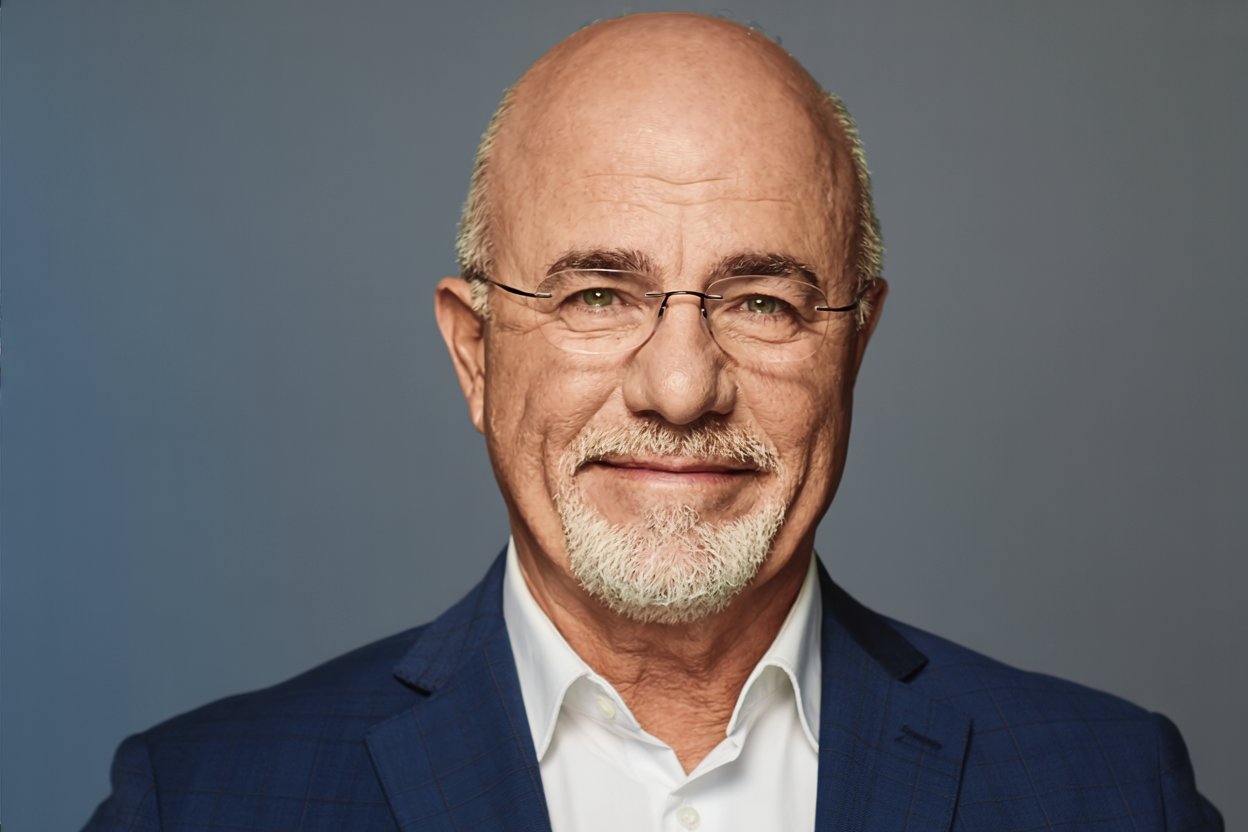
Dave Ramsey built a financial empire teaching Americans how to get out of debt and build wealth through straightforward, disciplined principles. His approach differs sharply from the typical middle-class mindset that treats purchases as consumption rather than investment.
While most people buy things that depreciate—such as new cars, luxury goods, and lifestyle upgrades—Ramsey focuses on acquiring assets that compound in value over time. His philosophy centers on buying five specific things that directly contribute to wealth accumulation. These aren’t purchases that will impress your neighbors. But they work.
1. Growth Stock Mutual Funds in Tax-Advantaged Accounts
Ramsey’s core wealth-building strategy revolves around consistent investment in growth stock mutual funds. He teaches that investing 15% of your household income into retirement accounts will make you wealthy over time. This isn’t speculation—it’s systematic asset accumulation.
The specific recommendation involves spreading investments across four fund categories: growth, growth and income, aggressive growth, and international. This diversification reduces risk while maintaining exposure to market growth. Ramsey specifically advocates for Roth IRAs and pre-tax retirement accounts, leveraging tax advantages to accelerate wealth building.
The power here isn’t in picking winning stocks or timing the market. It’s in the discipline of consistent investment regardless of market conditions. Most middle-class individuals fail at this step because they prioritize current consumption over future wealth.
They buy new cars and larger houses instead of contributing to their retirement accounts. Ramsey’s approach forces delayed gratification—the foundational behavior that separates wealth-builders from perpetual consumers.
2. Your Home, Paid Off
Ramsey made this statement: “The paid-off home mortgage has taken the place of the BMW as the status symbol of choice.” This represents a fundamental shift from a consumption-based status to a wealth-based security.
His teaching on homeownership comes with strict parameters. Use a 15-year fixed-rate mortgage with monthly payments no higher than 25% of your take-home pay. The goal isn’t homeownership with debt—it’s complete ownership without debt. A paid-off home transforms from a monthly obligation into a wealth-building asset.
This contradicts conventional financial advice that treats mortgage debt as “good debt” or leverages home equity for consumption. Ramsey recognizes that eliminating your most significant monthly expense creates cash flow capacity for investing. Once the mortgage is paid off, that payment redirects into wealth accumulation rather than interest payments to banks.
The psychological component is just as important as the financial one. A paid-off home provides security and reduces financial stress. This clarity enables better decision-making around investments and business opportunities. You can’t think clearly about wealth-building when you’re drowning in debt obligations. Buy your house, eliminate your mortgage.
3. Education That Increases Income
Ramsey states clearly: “Your income is your greatest wealth-building tool.” This perspective frames education not as personal enrichment but as income enhancement. The distinction matters because most people approach education incorrectly—accumulating debt for degrees with questionable earning potential.
Ramsey favors education and skills that directly improve earning power without excessive debt. Certifications, technical training, and professional development that enhance your skills and increase your income qualify. Liberal arts degrees financed with six-figure student loans don’t. The ROI determines whether education is considered a wealth-building or wealth-destroying activity.
This principle extends beyond formal education. Sales training that doubles your commission potential is a qualification. Programming bootcamps that launch tech careers qualify. Industry certifications that command higher salaries qualify. The test is simple: does this education measurably increase lifetime earnings beyond its cost?
Higher income only builds wealth when coupled with the discipline to invest rather than inflate lifestyle. This connection explains why Ramsey emphasizes behavior change alongside income growth. Earning more money while maintaining consumer habits creates a higher-income version of broke. Buy any education that will quantifiably increase your earnings power enough to justify the money spent on it.
4. Books and Personal Development Resources
Ramsey teaches that “Winning at money is 80% behavior and 20% head knowledge.” Books and personal development resources address both components. His own Financial Peace University exemplifies this category, but the principle extends to any resource that improves financial behavior, business acumen, or earning potential.
Wealthy people read constantly. They invest in courses, seminars, and educational materials that sharpen their skills and mindset. This isn’t entertainment—it’s professional development. The middle class watches television. The wealthy study their craft and continuously upgrade their knowledge base.
The ROI on quality books and courses vastly exceeds their cost. A single concept from the right book at the right time can redirect your entire financial trajectory. Business strategies, negotiation skills, investment frameworks, and psychological insights all compound over decades of application.
This category also includes resources on mindset and behavior. Financial psychology materials, habit formation frameworks, and discipline-building systems all qualify because they address the 80% behavioral component of wealth-building.
You can’t implement what you don’t understand, and you can’t maintain discipline without the right mental frameworks in place. Buy great nonfiction books that give you life-changing financial principles.
5. Paid-For Real Estate
Ramsey endorses real estate as a wealth-builder with one critical qualifier: no mortgages on investment properties. He states: “I look at two things when it comes to investing – real estate and mutual funds.” However, his real estate approach differs sharply from typical investment advice that emphasizes maximizing leverage.
Investment real estate purchased with cash generates rental income without debt risk. This strategy only makes sense after personal finances are secure, and your primary home is paid off. The goal is to build a portfolio of income-producing assets, not to speculate on appreciation or maximize leverage.
Debt-free real estate provides monthly cash flow, inflation protection, and long-term appreciation. Without mortgage payments, rental properties generate positive cash flow more easily and weather market downturns without foreclosure risk. This conservative approach sacrifices potential returns from leverage in exchange for security and consistent income.
The timing matters critically. Ramsey doesn’t recommend rushing into real estate investment. First, eliminate all debt. Second, build emergency funds. Third, max out retirement contributions. Only then does real estate investment make sense. This sequence ensures that you’re building wealth systematically, rather than relying on property values.
Conclusion
Ramsey’s five wealth-building purchases share common characteristics: they generate returns, require discipline, and contradict typical middle-class consumption patterns. None of these purchases impresses your neighbors or provides immediate gratification. That’s precisely why they work.
The average person won’t follow this advice because it demands delayed gratification and behavioral change. They’ll continue buying depreciating assets while wondering why wealth remains elusive.
The disciplined few who implement Ramsey’s framework systematically convert income into assets, compound those assets over decades, and build genuine wealth. The choice isn’t complicated. It isn’t easy.