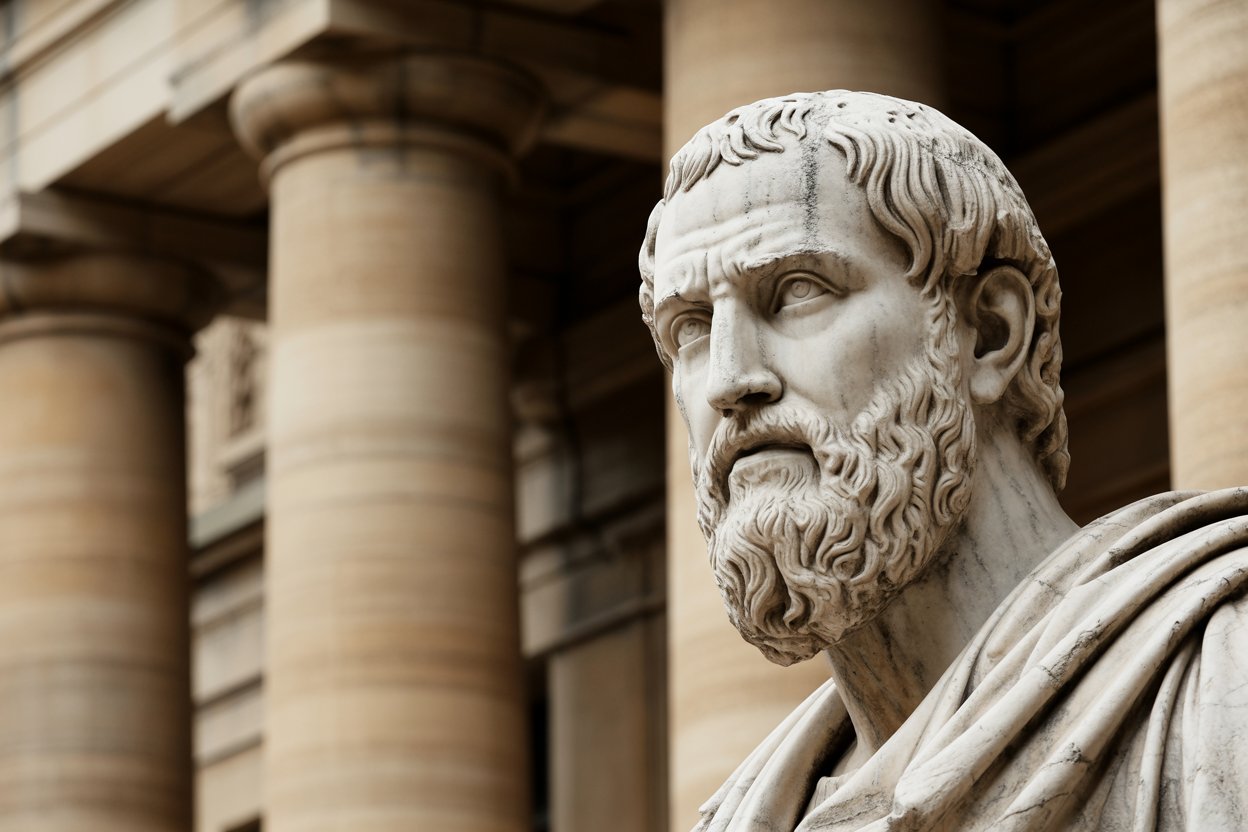
Most people expect transformation to arrive through dramatic gestures or sweeping life overhauls. The ancient Stoics knew better. Real change emerges from small, repeatable actions that compound quietly over months and years.
The following five Stoic habits demand no exceptional circumstances, no expensive programs, and no radical lifestyle shifts. They require consistent practice and a willingness to question automatic patterns. Over time, they reshape character, and character reshapes everything else.
1. Control the First Reaction
The gap between stimulus and response holds enormous power. When criticism lands, when plans collapse, when someone cuts you off in traffic, your initial impulse rarely serves your long-term interests. Stoicism teaches you to pause before responding, creating a brief space where you can make a choice.
Marcus Aurelius wrote, “You have power over your mind, not outside events.” This pause isn’t passive acceptance. It’s an active restraint that prevents emotional damage and preserves judgment. The practice is simple: when triggered, take three slow breaths before speaking or acting. This micro-delay interrupts automatic reactivity and engages your rational mind.
Why does this work? Emotional restraint improves outcomes across every domain. In professional settings, it prevents career-damaging outbursts and hasty emails sent in anger. In relationships, it prevents you from using words that you can’t take back. In financial decisions, it blocks impulsive purchases and panic selling. The habit doesn’t eliminate emotion but subordinates it to reason. Over time, this builds a reputation for composure that opens doors others find permanently closed.
2. Practice Negative Visualization (Briefly)
Stoics called this exercise premeditatio malorum, the premeditation of evils. Modern readers often misunderstand it as pessimism. It’s actually a gratitude practice disguised as worst-case scenario thinking.
Spend one minute each morning imagining the loss of something you take for granted. Your health. Your income. Your freedom to move and speak. Your relationships. Then return fully to the present moment, recognizing what you actually possess right now. This isn’t dwelling on catastrophe. It’s training your mind to appreciate what exists before it disappears.
Epictetus taught that we suffer most from imagined losses, not real ones. When you mentally rehearse loss in controlled doses, you reduce the grip of fear on your decisions. You stop postponing meaningful conversations until it’s too late. You express appreciation while the other person can still hear it. You invest in health before disease forces the issue.
The practice also builds resilience. When actual setbacks arrive, you’ve already processed the emotional shock in simulation. Your response becomes measured rather than panicked. This doesn’t mean you welcome hardship, but the possibility of it no longer paralyzes you.
3. Focus Only on What You Can Control
Most mental suffering comes from fighting reality. You resent other people’s choices. You rage against the weather, traffic, and market conditions. You stress over outcomes determined by forces beyond your influence. Stoicism offers a simple diagnostic question: Is this within my control?
Your actions, your effort, your attitude, your preparation, your response to circumstances—these belong to you. Other people’s opinions, yesterday’s mistakes, tomorrow’s results, the economy, your boss’s mood—these don’t. The Stoic practice is to act decisively on what you control and release everything else.
This isn’t a resignation. It’s a radical responsibility for the narrow domain where you actually hold power. When you stop leaking mental energy into anxiety about uncontrollable factors, that energy becomes available for productive action. You can’t control whether you get the job, but you can control your preparation for the interview. You can’t control market returns, but you can control your savings rate and risk exposure.
Apply this filter daily. When worry arrives, ask: Can I influence this outcome through my choices? If yes, take action and release the anxiety. If no, accept it as external and redirect your focus. Over time, this habit eliminates a massive category of unnecessary suffering.
4. Do One Difficult Thing on Purpose
Comfort is seductive and dangerous. Every time you choose the easy path, you train weakness. Every time you select deliberate discomfort, you train strength. Stoicism treats voluntary hardship as an essential practice.
Each day, select one minor discomfort: the complicated conversation you’ve been avoiding, the workout that requires real effort, the focused work session without distraction, the delayed gratification when you want immediate pleasure. The specific challenge matters less than the consistent practice of choosing difficulty when you could choose ease.
Seneca wrote that we suffer more in imagination than in reality. This habit proves him correct. The anticipation of discomfort is almost always worse than the experience itself. Once you start the difficult task, you often find it manageable. This builds self-trust. You learn through repeated experience that you can handle hard things, which makes future challenges less intimidating.
The habit also creates a competitive advantage. Most people optimize for comfort. When you deliberately seek difficulty, you develop capacities others lack. The person willing to have uncomfortable conversations builds stronger, more meaningful relationships. The person willing to delay gratification accumulates capital. The person willing to work when others rest creates disproportionate results.
5. End the Day With Self-Review
Stoicism is a daily practice, not a personality trait. Without regular reflection, you repeat the same mistakes indefinitely. The evening self-review creates a feedback loop that accelerates growth.
Spend five minutes each night asking three questions: What did I do well today? Where did I fall short? What will I adjust tomorrow? This isn’t self-punishment. It’s an honest inventory. You’re looking for patterns, not isolated instances of failure.
Maybe you noticed yourself getting defensive during feedback. Perhaps you scrolled through social media when you intended to read. Maybe you skipped the difficult conversation again. The review doesn’t demand perfection. It requires awareness and commitment to incremental improvement.
Marcus Aurelius kept journals of this exact practice, which eventually became his Meditations. He wasn’t writing for publication. He was holding himself accountable to his own standards. You’re doing the same thing. The daily review prevents drift and keeps you aligned with your stated values.
Over the course of weeks and months, you’ll notice recurring themes. These patterns reveal your actual priorities versus the ones you claim to have. The gap between them shows you exactly where to focus your effort.
Conclusion
Stoicism doesn’t demand dramatic transformation. It demands consistent restraint, reflection, and responsibility in small doses. These five habits require no special resources, no perfect conditions, and no waiting for motivation. You can start any of them today with nothing but attention and intention.
The power comes from accumulation. One controlled reaction prevents one argument. A thousand controlled reactions build a reputation for wisdom. One evening review produces marginal improvement. A year of reviews reshapes your character.
Small Stoic habits compound quietly over time, and character ultimately determines outcomes. Start with one habit. Build it until it becomes automatic. Then add the next. The transformation you’re seeking isn’t dramatic. It’s gradual, deliberate, and permanent.