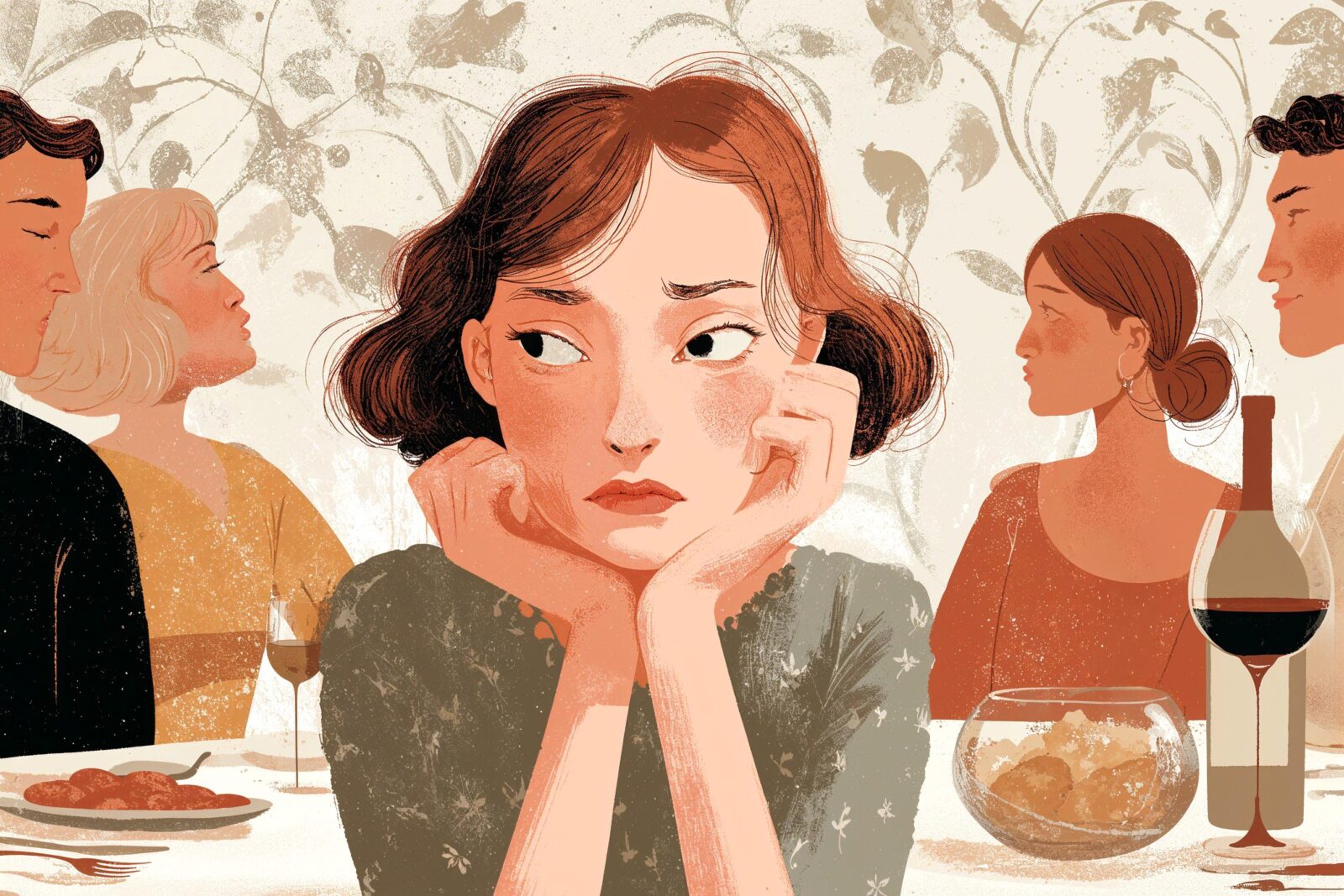
Some people love hosting. They thrive on dinner parties, houseguests, and a steady flow of visitors moving through their space. Others feel a tightening in their chest the moment someone suggests stopping by. If you fall into the second category, you are not rude, antisocial, or broken. You are responding to something deeper and more psychological than most people realize.
Disliking guests is not about hating people; it’s about having different preferences. It is about boundaries, control, energy, and safety. For many high-functioning, thoughtful, and introspective individuals, the home is not just a place to live; it is a sanctuary. It is a mental sanctuary. When that sanctuary is disrupted, it can feel like a threat to well-being rather than a social opportunity.
Home Is a Psychological Safe Zone
For people who dislike having guests, home is not merely a physical structure. It is an extension of their inner world. It represents control, predictability, and emotional regulation. When someone enters that space, even a loved one, it alters the atmosphere in ways that can feel invasive or destabilizing.
Psychologically, this often ties to a strong need for internal order. These individuals reset and recharge through solitude and familiarity. A guest introduces unpredictability, noise, expectations, and subtle social performance. Even when the visit is pleasant, the mind remains alert rather than relaxed. The nervous system does not fully stand down.
High Sensitivity to Stimulation
Many people who avoid hosting are susceptible to stimulation. This does not mean weak. It means their brains process more information at once. Sounds, movements, conversations, and changes in routine register more intensely, which leads to faster mental fatigue.
When guests are present, stimulation multiplies. There is conversation to follow, body language to interpret, hospitality to manage, and an unspoken responsibility to be pleasant. For a compassionate person, this can feel like running multiple programs at once without rest. Avoiding guests becomes a form of self-regulation rather than a form of avoidance.
A Strong Need for Autonomy and Control
People who hate having guests often place a high value on autonomy. Their home is one of the few environments where they do not have to adjust themselves for others. They can think freely, move freely, and exist without being observed.
Guests introduce the audience. Even close friends change how a space is used. Furniture is navigated differently. Sounds are monitored. Private rituals are paused. For individuals who rely on autonomy to feel grounded and productive, this loss of control can feel disproportionate to the social benefit.
Emotional Labor Feels Draining, Not Rewarding
Hosting requires emotional labor. Even informal visits carry expectations. Offering drinks, making conversation, monitoring comfort, and maintaining social harmony all require mental effort. Some people gain energy from this exchange. Others expend it rapidly.
Those who dislike guests often experience emotional labor as work rather than connection. They care deeply about making others comfortable, which paradoxically makes hosting more stressful. The constant, low-level awareness of another person’s experience prevents full presence or relaxation, turning what should be enjoyable into a performance.
Past Experiences Shape Present Preferences
Discomfort with guests is sometimes rooted in earlier experiences. Growing up in a home where privacy was limited, boundaries were ignored, or criticism was common can leave lasting psychological imprints. The adult mind learns to protect its space aggressively, even if it does so subconsciously.
In other cases, hosting may have been associated with pressure or conflict. A parent who stresses over appearances or guests who overstayed or judged the home can create negative associations. Over time, the brain links visitors with anxiety rather than warmth, even if the current reality is very different.
Preference for Depth Over Casual Interaction
Many people who dislike guests prefer depth to frequency in relationships. They value meaningful conversations, intentional connection, and emotional authenticity. Casual drop-ins and surface-level interactions feel inefficient or hollow by comparison.
This does not mean they lack social skills or warmth. Often, it is the opposite. They are deeply thoughtful and emotionally perceptive. They prefer to engage on their own terms, in controlled settings, and for defined periods of time. Hosting disrupts this balance by blurring social boundaries.
The Fear of Being Observed
There is also a subtle psychological factor that many people struggle to articulate. Being at home means being unguarded. Habits emerge. Silence stretches. Energy fluctuates. Guests disrupt this natural state by introducing observation, even when no judgment is intended.
For introspective individuals, being observed while in a vulnerable, relaxed state can feel uncomfortable. They may feel pressure to explain themselves, justify their preferences, or maintain a version of themselves that feels inauthentic. Avoiding guests becomes a way to protect identity rather than hide it.
This Trait Is More Common Than You Think
Modern culture glorifies openness, hosting, and constant connection. Social media reinforces the idea that a welcoming home and frequent guests equal happiness and success. But psychology tells a more nuanced story. Many high-functioning, creative, and emotionally intelligent people protect their energy by limiting access to their personal space.
Disliking guests is not a flaw. It is a strategy. It reflects self-awareness, sensitivity to the environment, and an understanding of personal limits. When respected, this trait often supports deeper focus, stronger inner stability, and more intentional relationships.
Learning to Honor Your Wiring
If you recognize yourself in these patterns, the goal is not to force yourself into becoming a host. The goal is to understand your wiring and design a life that works with it rather than against it. That may mean meeting friends outside the home, setting time limits, or hosting rarely but intentionally.
Personal success is not about conforming to social norms. It is about aligning your external life with your internal needs. When you acknowledge how you actually function, rather than how you think you should, stress decreases and fulfillment increases.
Conclusion
People who dislike having guests are often deeply reflective, emotionally intelligent, and self-aware. Their privacy preference is not rejection. It is discernment. In a world that constantly demands access, choosing solitude can be an act of strength.
Understanding the psychology behind this preference enables self-acceptance rather than self-criticism. When you protect your space, you preserve your energy. For many people, this is the foundation of a calm, successful, and meaningful life.