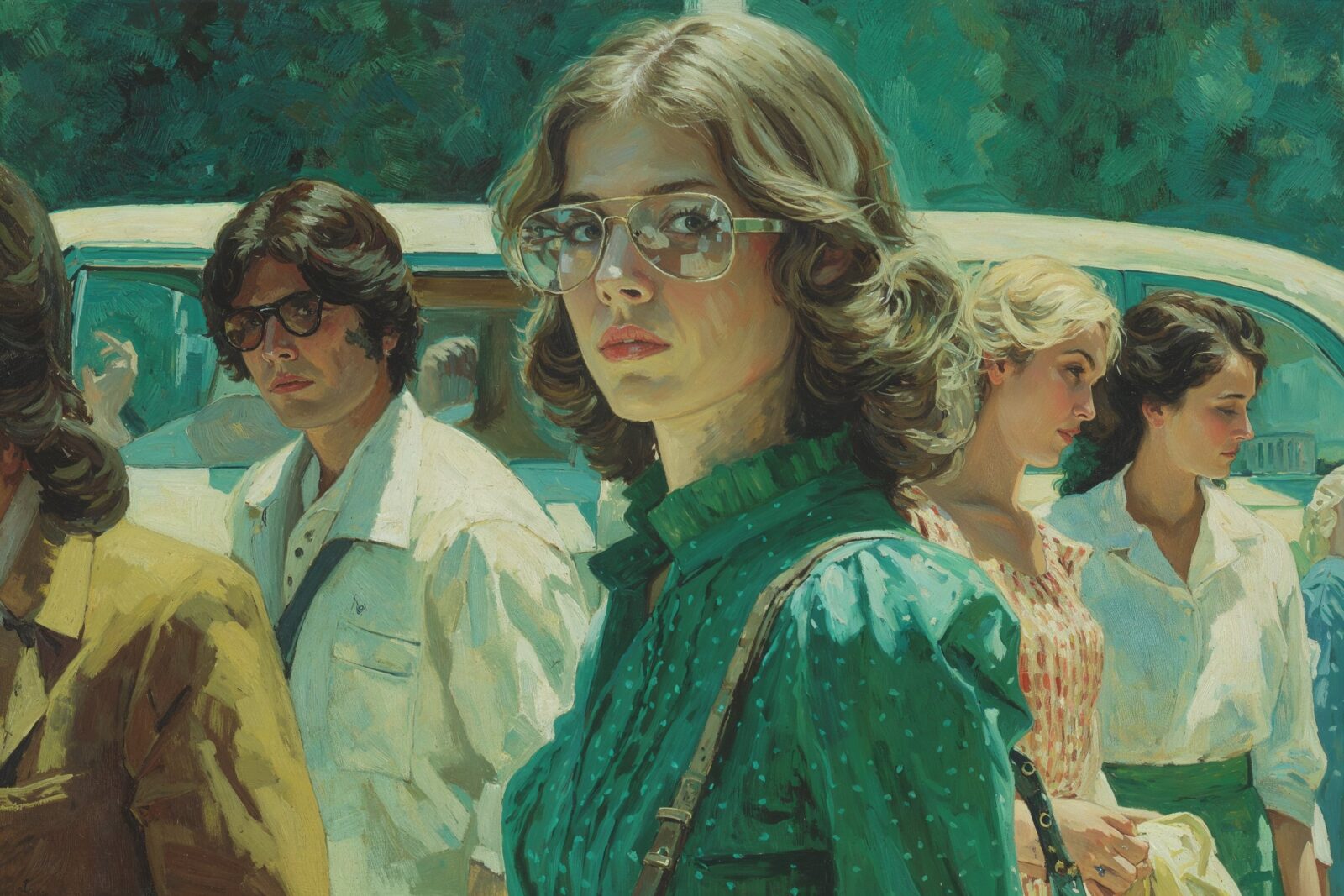
People who grew up in the 1970s were shaped by a decade that felt uncertain, transitional, and loosely structured. It was a time when the rules were changing, authority was questioned, and daily life required flexibility. Childhood often occurred outdoors, unsupervised, and with an expectation of self-direction.
That environment created a distinct psychological profile. Those raised in the 1970s tend to be adaptable, grounded, and quietly resilient. They learned early that stability was not guaranteed, and that mindset continues to influence how they approach work, relationships, and personal success today.
Shaped by an Unstable, Transitional Era
The 1970s were marked by economic instability, political scandal, and cultural shifts. Inflation, oil shortages, and changing family structures created an atmosphere where certainty was rare. Children absorbed this instability without explanation, learning to live with ambiguity as a regular part of life.
As adults, this generation tends to remain steady during uncertain times. They are less rattled by change because unpredictability feels familiar. This ability to function without constant reassurance has become one of their greatest strengths in modern life.
They Learned Independence Early
Many children in the 1970s were given significant freedom. Latchkey afternoons, unscheduled play, and minimal supervision were common. Responsibility arrived early, not through lectures, but through experience.
This fostered self-reliance and confidence in problem-solving. However, it also meant that asking for help was not modeled or encouraged. As adults, they may struggle with vulnerability, even while being deeply capable and independent.
They Are Comfortable With Ambiguity and Change
Growing up amid shifting social norms taught this generation that life does not come with clear instructions. Roles, expectations, and futures were fluid rather than fixed. Adaptability became a survival skill rather than a résumé trait.
As a result, people from this era often tolerate uncertainty more effectively than those raised in structured systems. They adjust, improvise, and keep moving forward even when the path is unclear, a trait that serves them well in leadership and long-term success.
They Developed a Skeptical View of Authority
Events like Watergate and Vietnam profoundly shaped the collective psyche. Authority figures were no longer assumed to be trustworthy. Children learned early that power could be flawed, inconsistent, or misleading.
This created adults who question systems rather than unthinkingly follow them. They value critical thinking and personal judgment. While this can appear cynical, it often reflects a grounded realism and a strong internal compass.
They Value Practicality Over Perfection
Economic pressure in the 1970s encouraged a practical mindset. Resources were limited, and excess was frowned upon. Function mattered more than appearance, and making do was considered a virtue.
Today, this generation often prefers reliability over flash. They choose durable solutions, long-term value, and common sense over trends. This practicality supports sustainable success rather than short-lived wins.
They Are Emotionally Self-Sufficient
Emotional coaching was not a priority in the 1970s. Feelings were managed privately, not discussed openly. Children learned to self-regulate without much guidance.
As adults, this creates emotional steadiness and composure under pressure. However, it can also make expressing vulnerability challenging. Strength was internalized, sometimes at the expense of emotional openness.
They Possess a Strong Work Ethic Without Expectation of Praise
Work in the 1970s was framed as responsibility, not identity. Praise was rare, and effort was expected rather than celebrated. Children learned that doing your job well was its own reward.
This generation often works diligently without seeking recognition. They value consistency and reliability. While they may feel overlooked in modern praise-driven cultures, their quiet discipline is a foundation for lasting success.
They Prefer Privacy Over Oversharing
Life before the Internet was private by default. Personal struggles, family issues, and inner thoughts stayed within close circles. Oversharing was not normalized or encouraged.
As a result, people who grew up in the 1970s often feel uncomfortable with the modern emphasis on transparency. They protect their personal lives carefully and value boundaries, viewing privacy as a strength rather than a secret.
They Carry Nostalgia Tempered by Realism
Memories of the 1970s often evoke images of freedom, creativity, and resilience. At the same time, this generation vividly remembers the hardships they faced. An understanding of struggle balances nostalgia.
This blend creates grounded optimism. They appreciate progress without idealizing the past. Success, to them, is about stability and meaning rather than illusion or image.
Why This Generation Often Feels Misunderstood Today
Cultural differences between generations can create friction. The quiet strength of those raised in the 1970s may appear reserved or detached to younger groups accustomed to openness and validation.
In reality, this generation expresses values differently. Their success comes from endurance, adaptability, and internal motivation. When understood, their perspective provides balance in a rapidly changing world.
Conclusion
People who grew up in the 1970s possess a unique psychological makeup shaped by the era’s uncertainty and emphasis on independence. Their strengths are not loud, but they are durable. They know how to stand alone, adapt quickly, and keep perspective.
In an era that often rewards visibility over substance, their quiet resilience remains invaluable. The lessons of the 1970s continue to shape a generation built not for ease, but for endurance and lasting success.