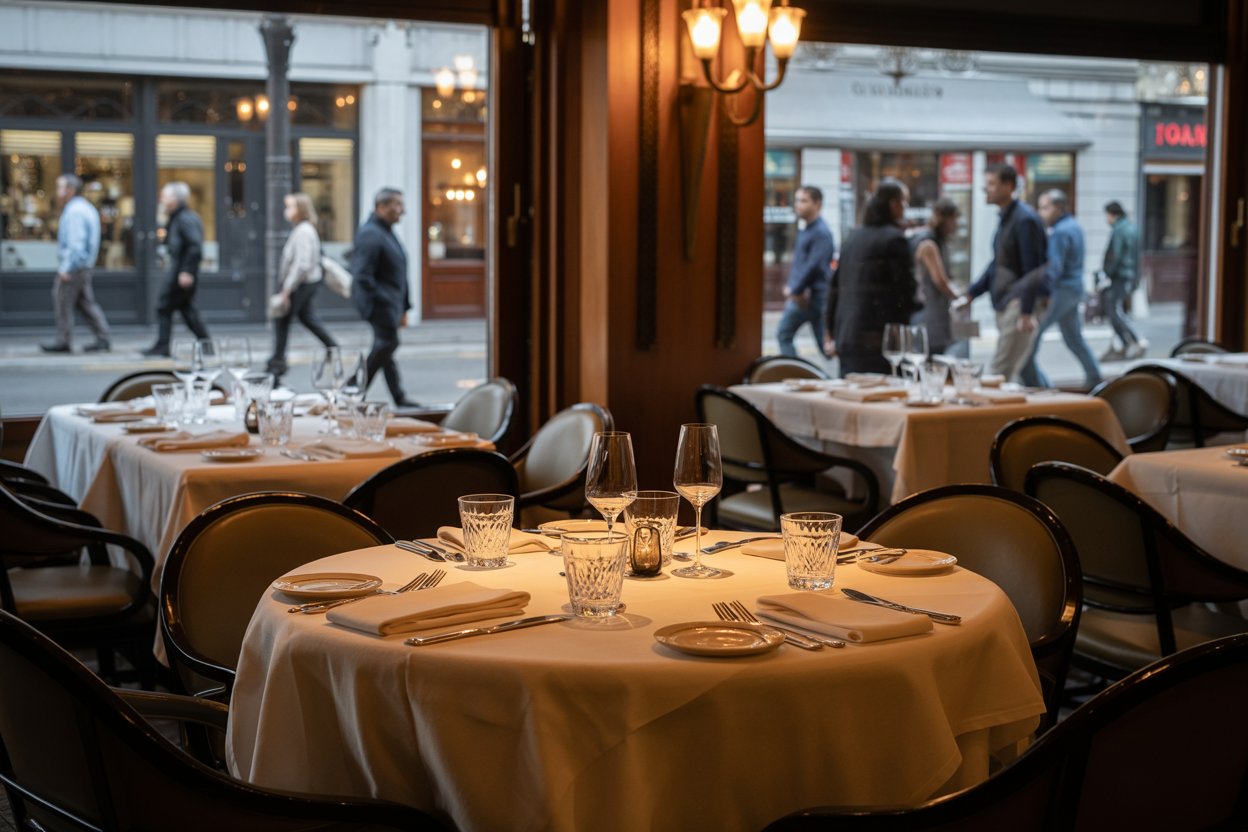
The restaurant experience that once defined the middle-class lifestyle has transformed into an occasional luxury. What your parents considered a weekly treat now strains monthly budgets, and the data tells a stark story about this shift.
According to the U.S. Bureau of Labor Statistics, food-away-from-home prices climbed approximately 3.7% year-over-year through late 2025 into early 2026. Meanwhile, food at home increased just 1.9% during the same period. This widening gap represents more than inflation—it signals a fundamental change in how middle-class families allocate their discretionary spending.
The USDA projects restaurant inflation will maintain this 3-4% pace throughout 2026. For families already feeling financial pressure from housing, healthcare, and transportation costs, that extra percentage point translates into difficult choices at the dinner table.
1. Restaurant Prices Climbing While Grocery Costs Stabilize
The cumulative impact of restaurant price increases since 2020 exceeds 30% in many cases. Your $12 burger from five years ago now costs over $15, and that’s before taxes, tips, and additional fees are taken into account.
Restaurants face unavoidable cost pressures. Protein prices, particularly beef, have surged. Utilities and rent continue to rise. Operators pass these expenses directly to customers because they have no alternative.
Compare this to your grocery bill. Food at home costs are projected to rise around 2%-2.5% through 2026. The average home-cooked meal costs approximately $4-$6 per person, whereas the same person pays $ 15-$20 or more at a casual restaurant.
This price disparity creates a simple economic reality. Families who cook at home five nights a week instead of dining out save hundreds—potentially thousands—of dollars annually.
2. Middle-Class Incomes Can’t Keep Pace With Living Expenses
Wage growth tells a frustrating story for middle-income earners. While some sectors experience significant increases, many middle-class workers face stagnant or modest wage growth that fails to keep pace with their rising living costs.
Housing consumes larger portions of household budgets. Healthcare premiums increase annually. Transportation costs, from vehicle prices to insurance, chip away at discretionary funds.
The amount of money available for dining out shrinks each year. Surveys consistently show that middle-income consumers are reducing their restaurant visits, trading down from full-service to quick-service options, or skipping dining out entirely.
The squeeze is real. Families report feeling the pressure across multiple budget categories simultaneously, forcing difficult prioritization decisions.
3. Operational Costs Force Restaurant Operators To Increase Prices
Restaurant operators work with notoriously thin profit margins, typically hovering around 5%. Every cost increase threatens this delicate balance.
Labor represents one of the most significant expenses. Minimum wage increases in numerous areas, combined with general wage pressure in tight labor markets, push costs higher. Restaurants can’t operate without adequate staffing.
Supply chain disruptions continue affecting ingredient availability and pricing. Potential tariff impacts on imported ingredients add another layer of uncertainty. Full-service restaurants have experienced some of the steepest price increases, with year-over-year hikes reaching 4.3% in many annual time periods over the past five years.
Quick-service establishments aren’t immune either. They’ve added fees and surcharges to offset rising costs while attempting to maintain customer traffic through perceived value.
4. Hidden Fees and Inflated Tips Are Shocks With the Final Bill
The advertised price rarely reflects the actual amount you’ll pay. This disconnect between menu prices and final bills erodes trust and perceived value.
Service fees have proliferated, adding 3% to 5% or more to the cost of checks. Operators justify these charges as covering inflation, credit card processing, or general overhead. To diners, it feels like a surprise tax.
Delivery app charges compound the problem. Convenience comes at a steep premium when third-party platforms add their fees and markups.
Tipping expectations have shifted upward to 18%-20% as the new standard. A $40-$50 meal can easily become $60-$70 after fees and tips. What seemed reasonable on the menu suddenly feels extravagant when the final bill arrives. These add-ons create sticker shock that sends middle-class families back to their kitchens to cook for themselves.
5. Value Perception Collapses As Prices Rise
Price increases only work when customers perceive the value as equivalent to the price increase. That equation has broken down for many middle-class diners.
Portion sizes haven’t grown in line with prices. Food quality sometimes declines as operators cut costs elsewhere to maintain margins. Service may suffer when restaurants are understaffed to control labor expenses.
The overall experience no longer justifies the cost for many families. Reports indicate middle-class households are cutting back most aggressively on restaurant spending, reserving dining out for special occasions only.
This creates a destructive cycle. Lower customer traffic pressures restaurants financially, leading to either higher prices or closures. Neither outcome benefits middle-class consumers seeking affordable dining options.
The gap between eating at home and eating out has never felt wider or more consequential for household budgets.
Conclusion
The transformation of dining out from a routine pleasure to a rare splurge reflects broader economic pressures facing middle-class households. Restaurant prices persistently outpace grocery costs, while stagnant wages and rising living expenses squeeze discretionary spending.
Understanding these dynamics helps you make informed decisions. Focus on value deals, lunch specials, or loyalty programs for occasional restaurant visits. Prioritize home cooking as your primary strategy—the savings compound quickly.
The middle class built its identity partly on the ability to afford small luxuries, such as regular meals at restaurants. In 2026, that luxury increasingly belongs to those with more financial flexibility. Adapting to this reality means embracing home cooking not as a sacrifice, but as a smart economic strategy that frees resources for wealth-building priorities that actually matter.