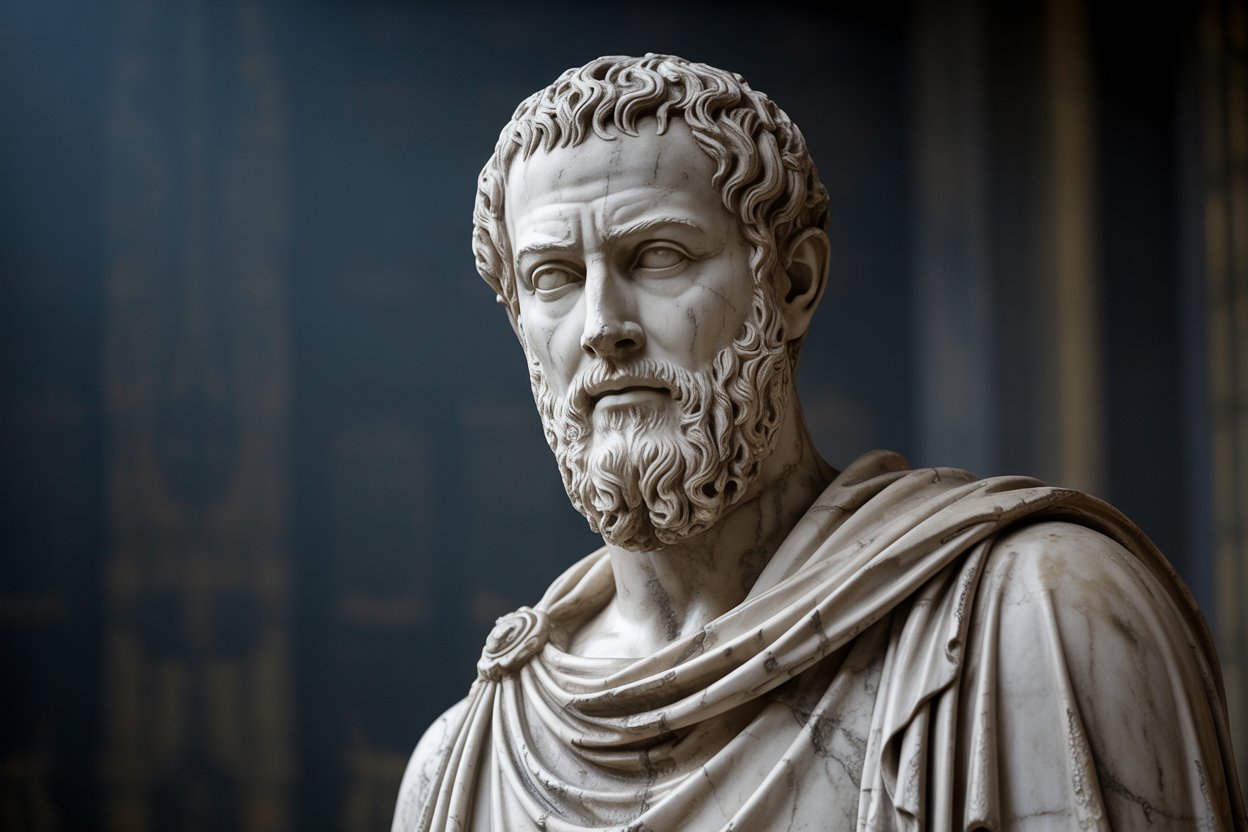
Most people who claim to practice Stoicism have never moved beyond Marcus Aurelius’ Meditations or Epictetus’ Enchiridion. They quote the same passages on social media and treat ancient philosophy like motivational fortune cookies without fully integrating the Stoic philosophy into their own mental model.
Truly committed individuals take a different approach. They dig deeper into the Stoic tradition, seeking books that challenge their thinking rather than confirm what they already believe.
Before diving in, it’s worth noting how these five books stand apart from the usual Stoic fare. The five books below are not typically included on Stoicism reading lists. They are often ignored because they require more effort, greater intellectual honesty, and a greater willingness to confront uncomfortable truths.
These five influential books distinguish between individuals who employ Stoicism as a coping mechanism and those who utilize it as a comprehensive mental operating system.
1. The Inner Citadel by Pierre Hadot
Pierre Hadot’s scholarly examination of Marcus Aurelius reveals something most readers miss entirely. Meditations wasn’t written as a book for public consumption. It was a series of spiritual exercises, mental drills that Marcus performed to maintain psychological discipline.
Hadot shows Stoic philosophy as a set of practices, not mere ideas to admire. The concept of “circumscribing the present” isolates problems in time, preventing them from poisoning past regrets or future anxieties. This technique transforms how you face adversity.
Most skip The Inner Citadel because it’s dense. It reads like a dissertation—because it is. You can’t skim it while waiting for coffee. It demands focus but rewards curiosity; this book is not for casual readers seeking quick answers.
2. The Daily Stoic by Ryan Holiday & Stephen Hanselman
Ryan Holiday and Stephen Hanselman structured this book as 366 daily meditations, including leap years. Each day pairs ancient Stoic wisdom with practical modern use. The format makes consistent practice unavoidable.
This book’s strength is its design. Holiday and Hanselman didn’t make another quote anthology. They organized Stoic principles into a systematic program for building mental strength through repetition and diverse perspectives. Each month addresses a key theme—perception, action, or will. You receive a valuable Stoic life lesson every day.
People sometimes pass over this book because daily practices can seem too basic or too rigid. Many people seek instant transformation, rather than gradual improvement through steady use. Those who value persistence over intensity make it a staple, returning regularly for ongoing challenge rather than reading once and setting it aside.
3. How to Be a Stoic by Massimo Pigliucci
Massimo Pigliucci brings philosophical rigor to practical Stoicism, structuring the book around real dilemmas. He uses Epictetus as a guide through modern challenges, treating Stoicism as a living tool for better choices.
The book strikes a balance between theory and application, demonstrating how Stoic principles resolve real conflicts between values. Pigliucci tackles tough topics, such as toxic relationships, career setbacks, and ethical gray areas, with no clear-cut answers. He demonstrates Stoic practice in life’s most challenging moments.
Many readers skip this book, preferring neat stories with dramatic results. Pigliucci offers something more worthwhile yet less immediately gratifying. He demonstrates how to navigate decisions when all options involve compromise and no outcome is guaranteed.
4. The Obstacle Is the Way by Ryan Holiday
Holiday’s modern take on Marcus Aurelius’ idea that “the obstacle is the way” has influenced business and sports. The book demonstrates how strong minds transform barriers into advantages, using historical examples of individuals who turned disaster into victory.
The framework splits into perception, action, and will. Holiday shows how perception makes an event a problem or opportunity; action means strategic effort or reactive panic; will sustains you when outcomes are out of your hands.
Some ignore this book, thinking they’ve already grasped its central point. They often mistake intellectual understanding for active application. Experienced readers recognize that bridging knowledge and behavior is essential, using this as a practical guide to navigate real-life obstacles rather than just occasional reading.
5. Stoic Warriors by Nancy Sherman
Nancy Sherman examines Stoicism through the lens of military leadership and moral psychology. She explores how Stoic principles function under extreme stress, where decisions carry life-or-death consequences. Sherman’s analysis reveals both the power and limitations of Stoic practice in combat and command situations.
The book challenges popular interpretations of Stoic emotional control. Sherman argues that Stoics didn’t advocate for emotional suppression, but rather for emotional understanding and an appropriate response. She demonstrates how military leaders strike a balance between Stoic discipline and the need for human connection with their troops.
This book is often set aside for its academic style and specific subject matter. The military focus may seem remote to civilians. However, individuals seeking resilience see that the most intense situations reveal universal truths about human psychology, and study such cases to strengthen their own mental toughness.
Conclusion
These five books remain largely unnoticed because they require more than passive reading. They require ongoing focus, honest reflection, and a genuine readiness to change actions—not just collect concepts. Many prefer Stoicism as a label or aesthetic rather than as a practice that truly shapes their thinking and behavior.
Dedicated readers view these books as resources for building resilience, rather than as entertainment or status symbols. They revisit challenging sections until they achieve comprehension. Principles are applied to real-life problems, fostering growth through practice rather than distant admiration. This is the difference between merely reading about Stoicism and living it.