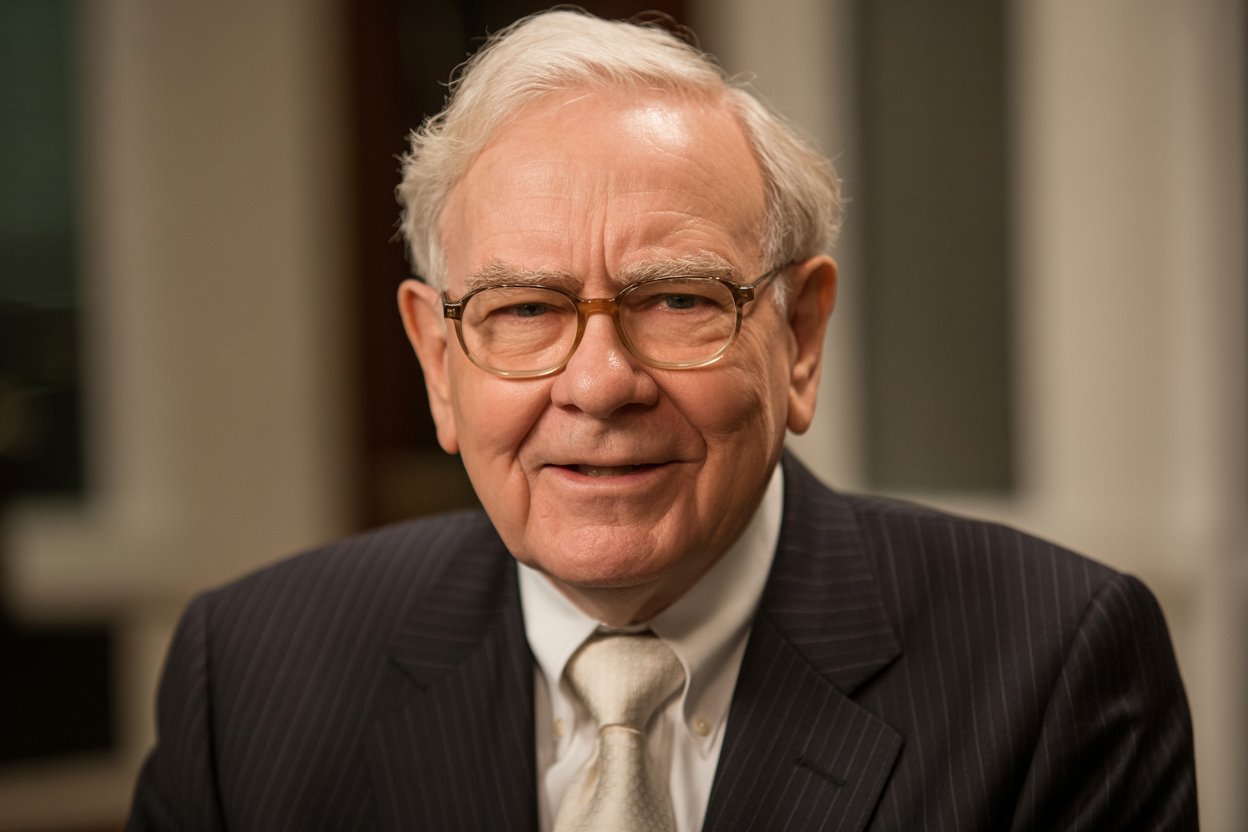
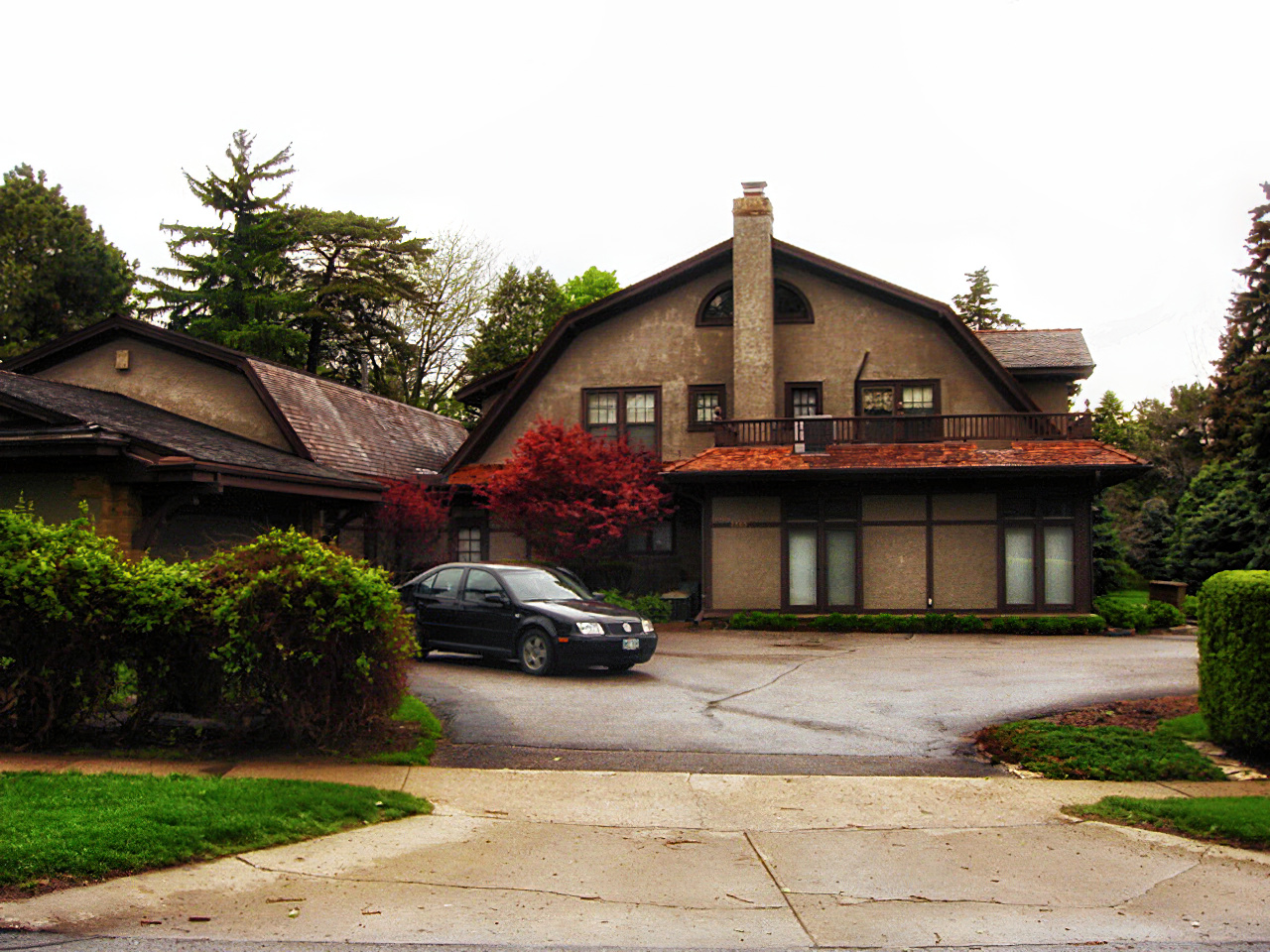
Warren Buffett’s home stands as one of the most compelling examples of a frugal wealth-building philosophy in action. While most billionaires occupy sprawling estates, the Oracle of Omaha has spent decades in the same modest house he purchased in 1958.
This isn’t just a quirky detail about a famous investor. The Warren Buffett house represents a deliberate choice that reflects the principles that built his fortune. His decision to stay in this home provides practical insights for anyone looking to create wealth in 2026.
1. The House That Buffett Built His Empire From
Warren Buffett purchased his Omaha, Nebraska, home in 1958 for $31,500. The gray stucco house, located at 5505 Farnam Street, has been his primary residence for over six decades in a quiet neighborhood.
The home spans approximately 6,570 square feet across five bedrooms. It’s comfortable but unremarkable compared to properties owned by individuals with even a fraction of Buffett’s wealth.
What makes this house remarkable is what it isn’t. There are no gold-plated fixtures, no private theaters, and no staff quarters for dozens of employees. The home functions as precisely what it was designed to be: a place for a family to live.
Buffett has stated that this house has everything he needs. He can’t think of anything a bigger or fancier house would provide that would make him happier. This perspective challenges the common assumption that wealth should naturally translate into lifestyle inflation.
2. The Philosophy Behind The Purchase
The Warren Buffett house embodies his investment philosophy applied to personal living. He’s famous for saying that price is what you pay and value is what you get. His housing choice demonstrates this principle in action.
When Buffett bought the home, he was already successful but not yet wealthy by billionaire standards. As his fortune grew exponentially, the house that was appropriate for his needs in 1958 remained appropriate six decades later. This reveals a crucial aspect of his relationship with money.
Buffett views excess spending as an opportunity cost. Every dollar spent on an unnecessary upgrade is a dollar that can’t compound in investments. Over the decades, this mindset has created enormous differences in wealth accumulation.
The house also reflects his focus on what economists call hedonic adaptation. Research indicates that people tend to quickly adjust to lifestyle improvements, reverting to their baseline happiness levels. Buffett understood that a $10 million mansion wouldn’t make him meaningfully happier than his $31,500 house, so why divert capital that could compound?
3. The Stark Contrast With Billionaire Peers
The difference between Buffett’s housing choices and those of other billionaires illuminates competing approaches to wealth. Many tech founders and business magnates own multiple properties worth hundreds of millions combined.
Some billionaires maintain estates with full-time staff numbering in the dozens. Private compounds with helipads, multiple guest houses, and elaborate security systems are common among the ultra-wealthy. These properties require enormous ongoing maintenance costs beyond the initial purchase price.
Buffett’s approach contradicts the notion that extreme wealth requires extreme personal displays through possessions. His lifestyle suggests that beyond a certain level of comfort, additional spending yields diminishing returns. The house in Omaha meets his needs without the complexity, cost, and distraction of managing elaborate properties.
This contrast isn’t about virtue signaling or false modesty. Buffett genuinely appears to derive no additional utility from ostentatious housing. His satisfaction stems from the work of capital allocation and the intellectual challenge of investing, rather than from surrounding himself with luxury goods.
4. Practical Lessons For Wealth Building
The Warren Buffett house offers specific takeaways for middle-class individuals seeking to build wealth. The most obvious lesson involves housing as a proportion of income. While financial advisors often suggest spending 28%-30% of one’s gross income on housing, Buffett’s example indicates that minimizing this percentage can accelerate wealth accumulation.
Every dollar saved on housing expenses can be invested in assets that compound over time. A family that chooses a home costing $300,000 instead of $500,000 might invest the $200,000 difference plus the saved interest over thirty years. With over three decades of historical stock market returns, this single decision could create additional wealth exceeding $1 million.
Buffett’s approach also challenges the standard justification for lifestyle inflation. Many people upgrade their homes as their income increases, viewing it as a reward for success. This pattern keeps them on what some call the “hedonic treadmill,” constantly chasing the next upgrade without building substantial wealth.
The house in Omaha demonstrates that contentment with “enough” is a competitive advantage in wealth building. Once housing meets your functional needs and provides reasonable comfort, additional spending often satisfies ego rather than genuine needs. Recognizing this distinction allows capital to flow toward assets that generate returns rather than liabilities that consume resources.
Conclusion
The Warren Buffett house in 2026 tells the same story it has for decades. It’s a testament to the power of aligning spending decisions with values and long-term objectives. The modest Omaha home has housed one of history’s most successful investors without needing gold fixtures or sprawling acreage.
For middle-class wealth builders, Buffett’s housing choice offers more than an interesting anecdote. It provides a framework for considering the relationship between spending and wealth accumulation. The house demonstrates that genuine financial success comes from allowing capital to compound rather than converting it into consumption.
The Oracle of Omaha could afford any residence on Earth. His choice to remain in a comfortable but unremarkable house suggests that beyond a certain point, the pursuit of luxury housing detracts from rather than contributes to a well-lived life. That’s a lesson worth considering, whether your net worth is measured in thousands or billions of dollars.