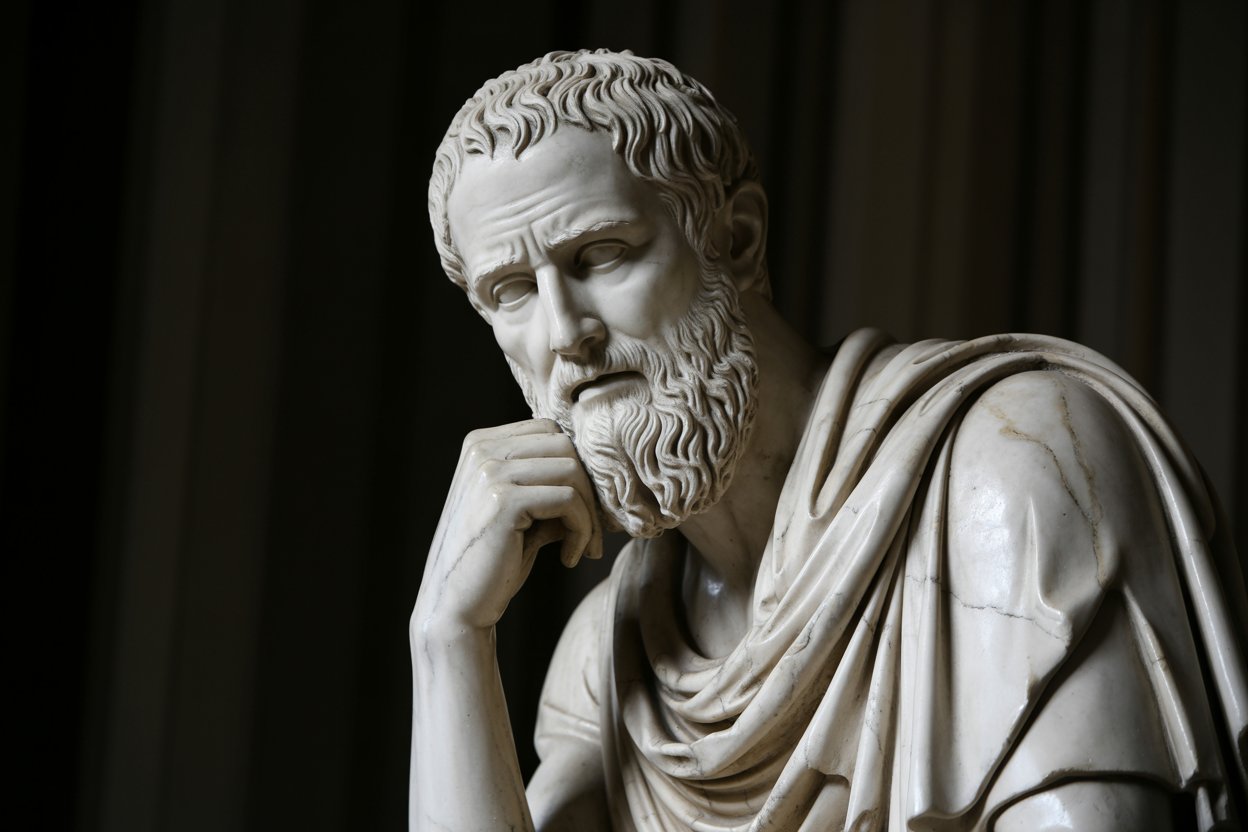
I spent months reading everything from Marcus Aurelius to Ryan Holiday, trying to understand why Stoicism has survived for over 2,000 years. What I discovered wasn’t abstract philosophy. It was a mental operating system for discipline, clarity, and resilience.
The lessons I learned from these books changed how I think about adversity, emotion, and success. Here are the 10 core principles that appeared repeatedly across every primary Stoic text.
1. Control What You Can, Accept What You Can’t
This is the foundation of Stoic philosophy. Marcus Aurelius wrote “Meditations” as personal reflections on what he could and couldn’t control as a Roman emperor. The core message is simple: your thoughts, choices, and actions belong to you. Everything else is external.
You can’t control the economy, other people’s opinions, or random setbacks. You can control how you respond. Epictetus taught this principle relentlessly in both his Enchiridion and Discourses. He argued that freedom comes from focusing only on what’s within your power.
This lesson stops wasting energy. You stop fighting reality and start working with it.
2. Your Judgments Create Your Reality
Events aren’t inherently good or bad. Your interpretation gives them meaning. Seneca explored this idea throughout Letters from a Stoic, explaining how two people can experience the same event completely differently based on their judgment.
Change your perspective, and you change your experience. This isn’t positive thinking. It’s recognizing that you assign value to external events through your thoughts.
A market crash isn’t a disaster or an opportunity until you decide what it means. William Irvine’s “A Guide to the Good Life” breaks down how this mental shift works in modern contexts.
3. Adversity Is an Opportunity
Ryan Holiday built “The Obstacle Is the Way” entirely around this Stoic principle. Obstacles aren’t setbacks. They’re training grounds that build character, discipline, and resilience.
Marcus Aurelius faced wars, plagues, and betrayals. He used each one to strengthen his philosophy. He didn’t ignore difficulty. He transformed it into fuel.
This mindset changes everything. Problems become practice. Hardship becomes an advantage if you use it correctly.
4. Practice Negative Visualization
Seneca recommended occasionally imagining loss or setbacks. This technique appears throughout his work, especially in “On the Shortness of Life”. The goal isn’t pessimism. It’s preparation and gratitude.
When you mentally rehearse worst-case scenarios, you build emotional readiness. You also appreciate what you currently have. Massimo Pigliucci updates this practice in “How to Be a Stoic” for modern life.
This isn’t dwelling on negativity. It’s understanding that nothing is permanent and preparing yourself emotionally for change.
5. Live According to Virtue, Not Pleasure
The Stoics believed character matters more than comfort. True happiness comes from wisdom, courage, justice, and self-control. External pleasures are temporary and unreliable.
This lesson runs through every primary Stoic text. Marcus Aurelius consistently reminded himself that virtue is the only real good. Seneca argued that chasing pleasure leaves you empty and dependent.
Ryan Holiday and Stephen Hanselman explore this theme throughout “Lives of the Stoics”, showing how ancient philosophers practiced what they preached. Their lives demonstrated that internal standards create lasting satisfaction.
6. Time Is Your Most Valuable Asset
Seneca’s “On the Shortness of Life” is one of the most powerful Stoic essays ever written. His central argument is that life isn’t short. We waste it on distractions, drama, and shallow pursuits.
Most people treat time carelessly. They let others dictate their schedules and priorities. The Stoics argued that time is the one resource you can’t replace or recover.
“The Daily Stoic” by Ryan Holiday and Stephen Hanselman organizes Stoic wisdom around daily reflection, emphasizing how small decisions about time compound into your entire life. Every hour matters because you only get so many.
7. Detach from External Validation
Praise, status, and wealth are unstable. Other people’s opinions shift constantly. Markets crash. Reputations change overnight. The Stoics taught that building self-respect from internal standards creates stability.
Epictetus was blunt about this in his “Enchiridion”. He insisted that seeking approval from others makes you their servant. Marcus Aurelius reminded himself repeatedly not to care about fame or criticism.
This doesn’t mean isolating yourself. It means knowing your worth isn’t determined by external metrics. You follow your own standards regardless of applause or rejection.
8. Prepare for Death to Live Better
The Stoics constantly discussed death, not because they were morbid, but because awareness of mortality sharpens priorities and reduces fear. Marcus Aurelius reflected on death throughout “Meditations” to remind himself that time is limited.
In “Letters from a Stoic”, Seneca argued that people who ignore death waste their lives. When you accept that you won’t live forever, you stop postponing what matters. You stop sweating minor problems. This practice forces clarity. It separates what’s essential from what’s trivial.
9. Master Your Emotions Through Reason
Stoicism isn’t about suppressing emotions. It’s about understanding them, questioning them, and responding rationally. Epictetus taught in his “Discourses” that emotions come from judgments, not events.
You feel angry because you judged something as wrong. You feel anxious because you judged something as threatening. Change the judgment, and you change the emotion.
William Irvine’s “A Guide to the Good Life” explains how this works practically. You don’t ignore feelings. You examine them, trace them back to your thoughts, and decide whether they’re helpful.
10. Focus on Daily Improvement
Small daily habits shape your character. Progress beats perfection. The Stoics practiced philosophy every day, not just when they felt inspired.
Ryan Holiday’s “The Daily Stoic” became one of the best-selling philosophy books of the last decade by breaking Stoicism down into daily practices. Marcus Aurelius kept a journal. Seneca wrote letters. Epictetus taught students daily.
This lesson is about consistency. You don’t become disciplined through occasional effort. You become disciplined through repeated action over time.
Conclusion
These 10 lessons appear repeatedly across Marcus Aurelius, Seneca, Epictetus, and modern Stoic authors. They form a practical framework for resilience, discipline, and clarity that works whether you’re building wealth, managing stress, or navigating setbacks.
Stoicism endures because it addresses fundamental human challenges: how to handle adversity, control emotions, use time wisely, and build character. The books I read weren’t theoretical. They were instruction manuals for living better.
You don’t need to read all 10 books to start. Pick one lesson from this list and practice it daily. That’s how Stoicism works. It’s not about knowing philosophy. It’s about applying it.