In a world where billionaires collect exotic supercars and limited-edition luxury vehicles, Warren Buffett’s automotive choice stands as a fascinating outlier. As one of the wealthiest individuals on the planet, Buffett could easily afford any vehicle money can buy. Yet his car selection tells a different story about wealth, values, and the mindset that built his fortune.
This article explores what Warren Buffett drives in 2026, why he makes the choices he does, and what his approach to car ownership reveals about building and maintaining wealth. His philosophy on transportation offers unexpected insights for anyone seeking to understand how many of the smartest self-made wealthy think differently about money and possessions, even after they reach billionaire status.
1. Warren Buffett’s Current Car: The 2014 Cadillac XTS
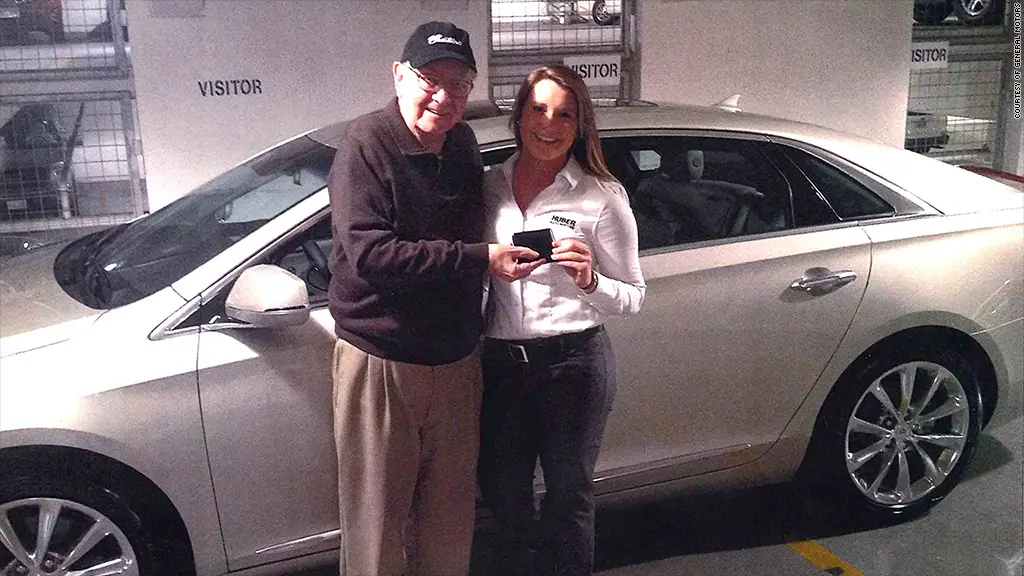
As of 2026, Warren Buffett still drives a 2014 Cadillac XTS. This full-size American sedan has been his daily car choice for over twelve years now. The vehicle isn’t new or flashy, but it gets him from point A to point B.
For perspective, Buffett has owned this car longer than many people keep their smartphones. While other billionaires rotate through the latest models from Rolls-Royce, Bentley, and other custom-built luxury brands, Buffett continues to use a vehicle that was discontinued years ago.
2. The Daughter Who Picked the Billionaire’s Car
One of the most interesting details about Buffett’s Cadillac XTS involves how he acquired it. Buffett didn’t personally select this vehicle or spend hours researching options at dealerships. His daughter Susie handled the purchase years ago.
This decision reflects something more profound than simple delegation. Buffett has openly acknowledged that car shopping doesn’t represent a valuable use of his time. He’d rather focus on reading annual business reports, making investment decisions, or engaging in activities he finds meaningful than spend hours comparing vehicle features and negotiating prices.
3. The Anti-Consumerism Philosophy Behind the Choice
Buffett’s approach to cars directly challenges the typical billionaire playbook. Most ultra-wealthy individuals view luxury vehicles as status symbols or expressions of success. They upgrade regularly, maintain multiple cars, and gravitate toward brands that signal exclusivity.
Buffett operates from an entirely different framework. He prioritizes practicality over prestige and functionality over flash. This philosophy extends far beyond his garage into every aspect of how he manages money and builds wealth.
His car choice represents a deliberate rejection of consumer culture’s premise that newer always means better. By keeping a vehicle well past typical replacement cycles, Buffett demonstrates that satisfaction doesn’t require constant upgrading. This mindset has profound implications for wealth building, as it redirects money from depreciating assets toward investments that actually compound over time.
4. Safety and Simplicity as Guiding Principles
Throughout his car ownership history, Buffett has consistently emphasized two factors: safety and simplicity. He chooses vehicles with strong safety ratings and avoids unnecessary complexity in features or technology. The 2014 Cadillac XTS fits this profile perfectly with its straightforward design and reliable performance.
This preference for simplicity aligns with Buffett’s broader life philosophy. He famously lives in the same house he purchased decades ago in Omaha, Nebraska. He doesn’t surround himself with status symbols or luxury goods that require maintenance, updates, or mental energy to manage.
The simplicity principle extends to his investment strategy as well. Buffett focuses on businesses he understands, avoiding complex financial instruments and trendy sectors that don’t align with his circle of competence. His car choice reflects the same discipline applied to different domains.
5. What Buffett’s Car Tells Us About Real Wealth
Buffett’s modest automotive choice challenges conventional assumptions about what wealth looks like. Society often equates success with visible consumption, luxury brands, and constant upgrades. This creates pressure to spend money proving you have cash, a trap that prevents many high earners from actually building wealth.
Buffett’s 2014 Cadillac XTS demonstrates that real wealth isn’t about displaying your net worth through possessions. It’s about making intelligent decisions that preserve and grow capital rather than depleting it on depreciating assets. His car serves as transportation, nothing more and nothing less.
This principle extends to every category of spending. The wealthy often live below their means, not because they can’t afford luxury, but because they recognize that money spent on status symbols can’t compound into future wealth. Buffett personifies this discipline better than perhaps any other billionaire.
6. The Time Value Equation in Car Ownership
Buffett has explained that he doesn’t enjoy car shopping and views it as a poor use of his time. This perspective reveals an important concept: the opportunity cost of time. Every hour spent researching vehicles, visiting dealerships, or managing a car collection represents time not spent on higher-value activities.
For someone of Buffett’s stature, an hour spent reading could generate investment insights worth millions. An hour spent with family or friends provides irreplaceable relationship value. An hour wasted comparing luxury car features produces nothing of lasting significance.
This time value equation applies to everyone, not just billionaires. Most people underestimate how much time they spend on consumption-related activities that don’t actually improve their lives or finances. The hours devoted to shopping, maintaining, and upgrading possessions add up significantly over a lifetime.
7. Lessons from a Billionaire’s Garage
Buffett’s continued use of a 2014 Cadillac XTS in 2026 offers several practical lessons for wealth building. First, vehicles serve a functional purpose and don’t require constant upgrading. Keeping a reliable car for over a decade rather than replacing it every few years saves substantial money that can be invested instead.
Second, resisting social pressure to display wealth through consumption frees up capital for actual wealth creation. The difference between driving a modest sedan and a luxury vehicle over a lifetime could mean hundreds of thousands of dollars in additional retirement savings when properly invested.
Third, focusing time and mental energy on what truly matters rather than on consumer decisions creates space for more meaningful pursuits, whether that’s career advancement, relationship building, or personal growth—the time saved from not obsessing over possessions compounds just as money does.
Conclusion
Warren Buffett’s automotive choice in 2026 remains his trusted 2014 Cadillac XTS, a vehicle that challenges every assumption about how billionaires should present themselves. His preference for longevity over luxury, function over flash, and practicality over prestige reveals the mindset that built his fortune.
This approach to car ownership isn’t about being cheap or denying oneself enjoyment. It’s about aligning spending decisions with values and long-term goals rather than short-term status concerns. Buffett’s garage teaches us that true wealth comes from making intelligent choices consistently over time, not from displaying what you have through expensive possessions.