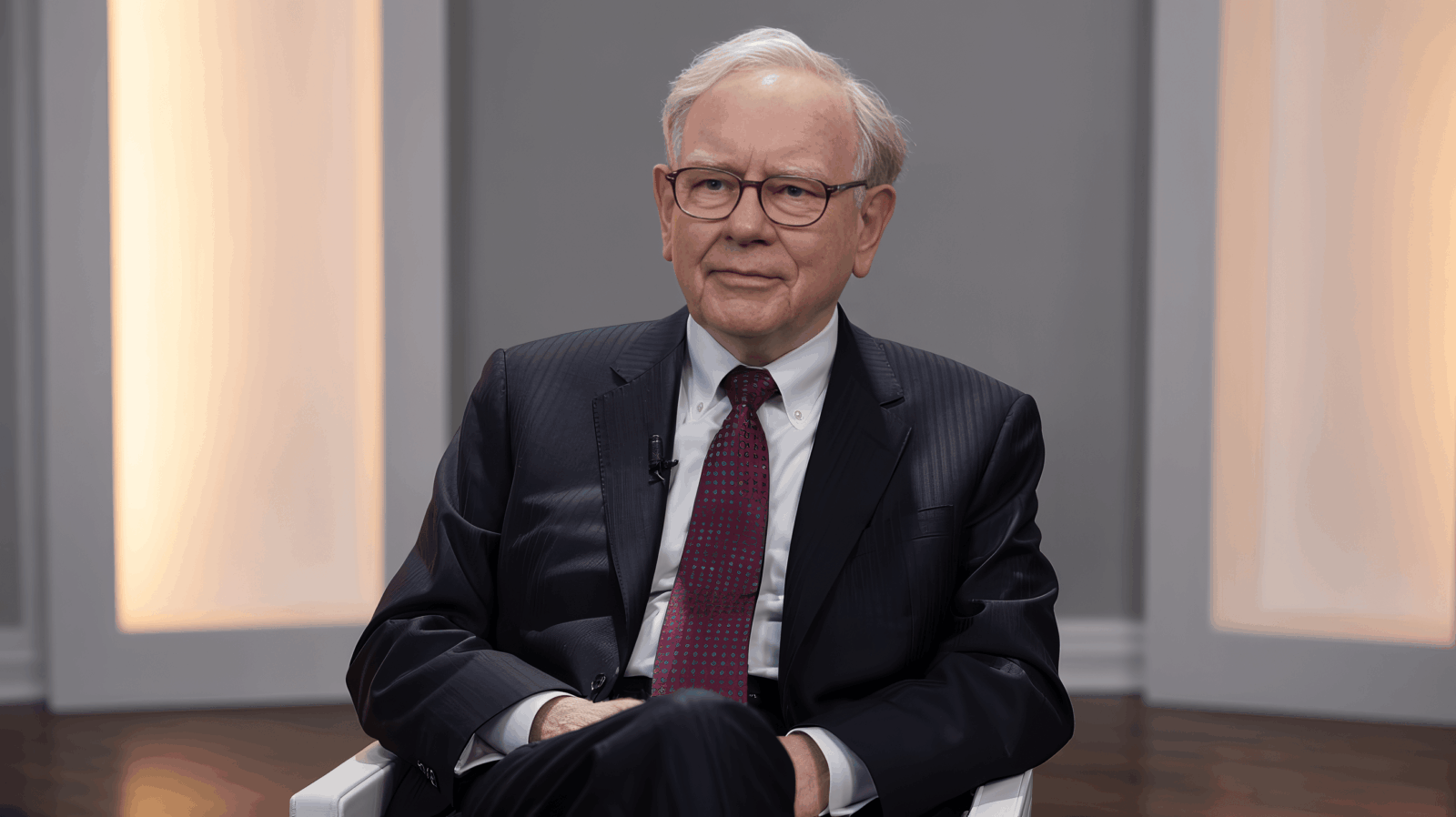
Warren Buffett built one of the greatest fortunes in history not through complex strategies or insider secrets, but through a disciplined understanding of how money actually works. His teachings consistently return to one core idea: financial ignorance is expensive, and most people pay for it every single day.
The middle class, in particular, faces a unique set of financial traps. These are not caused by low income alone, but by spending and investing habits that quietly drain wealth over time. To align with the Oracle of Omaha’s specific teachings, here is a breakdown of five financial pitfalls, each backed by a direct quote that illustrates his philosophy on wealth preservation.
1. High-Interest Consumer Debt
Buffett views interest as a double-edged sword. It can build a fortune through compounding, or it can destroy one through debt carried month after month.
People who carry credit card balances are essentially paying the bank for the privilege of spending money they don’t have. That cost, often running at high annual rates, works powerfully against the cardholder, just as compound interest works for investors.
Buffett has been direct about his own relationship with debt: “If you’re smart, you’re going to make a lot of money without borrowing. I’ve never borrowed a significant amount of money in my life, and I never will. I’ve seen more people fail because of liquor and leverage.” — Warren Buffett.
“I don’t know how to make 18%. And if I owed any money at 18%, the first thing I’d do with any money I had would be to pay it off. It’s going to be way better than any investment idea I’ve got.” — Warren Buffett.
The lesson here about the importance of financial education is clear. Leveraging consumer purchases doesn’t create wealth; it transfers it from the borrower to the lender, one billing cycle at a time.
2. Excessive Investment Fees
A lack of financial education often leads people to mistake complexity for quality. The middle class is frequently sold high-fee investment products on the assumption that paying more guarantees better results.
Buffett has spent decades arguing the opposite. He has pointed out that, on average, actively managed funds underperform simple low-cost index funds after fees are accounted for. The money quietly leaving a portfolio through annual expense ratios compounds against the investor just as powerfully as returns compound in the investor’s favor.
He put it plainly in one of his shareholder letters: “When trillions of dollars are managed by Wall Street charging high fees, it will usually be the managers who reap outsized profits, not the clients. Both large and small investors should stick with low-cost index funds.” — Warren Buffett.
The investor who ignores fees isn’t just paying a small premium. Over the decades, excessive fees add up to a huge drain on investment returns.
3. Lifestyle Creep and Depreciating Assets
Financial education draws a clear line between assets, which put money into your pocket, and liabilities, which take money out. Without that framework, it is easy to spend on things that feel like upgrades but function as financial anchors.
New vehicles, luxury goods bought on impulse, and upgraded lifestyles that follow every raise are all examples of lifestyle creep. Each purchase feels justified in the moment, but the cumulative effect is that income growth never translates into real wealth accumulation.
Buffett captured this trap in a line that cuts through the noise: “If you buy things you do not need, soon you will have to sell things you do need.” — Warren Buffett.
The middle class often has enough income to build substantial wealth. What it frequently lacks is the discipline to let that income compound rather than spend it on a lifestyle that depreciates as fast as it’s purchased.
4. Buying Stocks on Tips
Without a foundation in financial education, many people approach the stock market the way they approach a casino. They act on tips from friends, headlines, and social media rather than on any genuine understanding of what they own.
This behavior produces predictable results. Investors buy high, driven by excitement, and sell low, driven by panic. Neither decision is grounded in business fundamentals, which means emotion dictates outcomes rather than analysis.
Buffett’s position on this has never wavered: “Risk comes from not knowing what you’re doing.” — Warren Buffett.
His broader philosophy holds that you should only buy a stake in a business you can genuinely understand and explain. If you can’t articulate why a company will be worth more in ten years than it is today, you are speculating, not investing.
5. Paying for Brand Names Instead of Value
A lack of financial education replaces value thinking with status thinking. Instead of asking what a product is worth relative to its price, many consumers ask what it signals to others.
Brand premiums exist because they work psychologically, not because they deliver proportional utility. Buffett is famously frugal in his personal life, and his habits reflect a consistent principle: price and value are not the same thing, and confusing them is costly.
He has made this distinction one of his most quoted principles: “Price is what you pay. Value is what you get. Whether we’re talking about socks or stocks, I like buying quality merchandise when it is marked down.” — Warren Buffett.
The consumer who chases brands over utility isn’t just overspending on individual purchases. They are building a habit of prioritizing perception over substance, which tends to show up across every category of their financial life.
Conclusion
Buffett’s wealth is not only a product of great investments. It is the result of consistently avoiding the financial mistakes that drain ordinary people’s net worth across a lifetime.
High-interest debt, excessive fees, lifestyle inflation, emotional speculation, and paying for status over value are all behaviors rooted in a single cause: a lack of understanding of how money works. The good news is that financial education is accessible, and the cost of ignoring it is far greater than the cost of acquiring it.
Buffett has said that the most important investment anyone can make is in themselves. Building financial literacy isn’t a luxury for the wealthy. It is the foundation that makes building wealth possible in the first place.