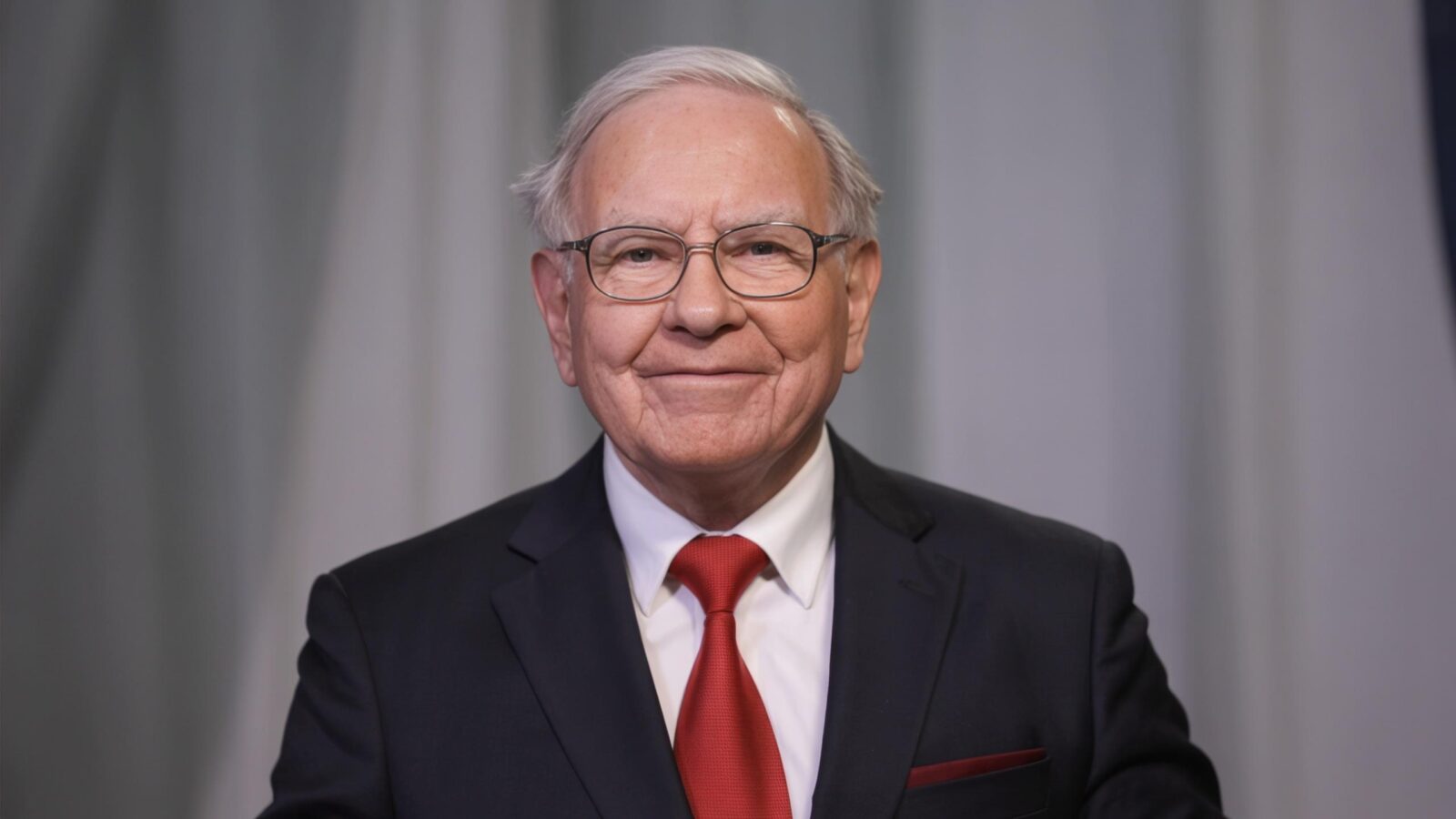
Warren Buffett’s mornings are not built around productivity hacks or trendy routines. They are built around a handful of simple habits he has repeated for decades, each one aimed at protecting his energy for clear thinking later in the day. Looking closely at how he starts his morning reveals lessons that go far beyond breakfast and newspapers.
1. He Protects His Sleep Like an Asset
Warren Buffett treats sleep as part of his job, not a luxury he can skip when things get busy. He aims for 8 hours every night and wakes up without an alarm. No early morning gym session. No 4 a.m. wake-up call. Just rest on his own schedule.
This stands apart from the hustle culture many business leaders push today, the kind that treats four hours of sleep as proof of dedication. Buffett has spent decades building his reputation on good judgment, and rested judgment is part of how he gets there. A tired mind makes worse decisions, and Buffett’s entire career rests on decisions made with a clear head.
“I can buy anything I want, basically, but I can’t buy time.” — Warren Buffett.
That line explains why he won’t trade sleep for a few extra working hours. Time is the one thing his money can’t purchase back, and he treats every hour of rest as an investment in the hours that follow. Most people view sleep as the first thing to cut when a schedule gets tight. Buffett views it as the last.
2. He Eliminates Decision Fatigue With Simple Routines
His morning runs on repetition. The same short drive. The same fast food stop. The same house in Omaha, which he bought back in 1958. None of this comes from a lack of imagination.
It comes from a strategy. Small, irrelevant choices drain mental energy that could go toward something that actually matters, like reading a balance sheet or weighing a new investment. Buffett figured out long ago that choosing a breakfast item shouldn’t require the same level of focus as picking a stock. So he stopped choosing and started repeating with little variation.
The lesson has nothing to do with biscuits or hash browns. It has to do with understanding that focus runs out over the course of a day, just like a battery. Spend it wisely, and there’s more left when it counts. This is part of why so many successful people wear similar outfits every day or eat the same lunch over and over. The goal is never the food or the clothing. The goal is to keep the mind clear for decisions that actually carry weight.
Most people fill their mornings with small choices without ever noticing the cost. What to wear, what to eat, where to stop before work, whether to check email or scroll on their phone first. Each choice seems harmless on its own. Stacked together, they add up to real mental fatigue before the workday has even started. Buffett removed that entire category of friction from his life decades ago, and he has never seen a reason to bring it back.
3. He Feeds His Mind Before He Feeds His Business
Once Buffett gets to his desk, the newspapers come out before any spreadsheet does. He works through several papers each morning, building a sense of current consumer behavior and successful businesses making headlines before he ever looks at a single company’s numbers.
This habit comes from a belief he has held for a long time, that learning adds up the same way money does. He has compared knowledge to compound interest more than once. Small daily deposits, over a long enough time, turn into something much bigger than they look at first. He’s well into his nineties now and has kept this habit his whole life.
What makes this part of his routine worth studying is the order of operations. He gathers broad context first, then narrows his attention to specific companies and filings. Most people work the opposite way, jumping straight into narrow tasks without ever stepping back to understand the bigger picture. Buffett’s approach forces him to consider how a single business fits into a larger economic story before deciding whether it deserves his money.
There is also a discipline buried in this habit that gets overlooked. Reading a stack of newspapers every single day for decades requires a kind of patience that most people don’t have. It would be easy for someone at his level of wealth to hire a team to summarize the news and hand him a brief. He still reads himself because the habit of digesting information firsthand is part of what keeps his judgment sharp.
4. He Guards His Calendar to Protect Deep Thinking
What Buffett refuses to do says as much about his mornings as anything he does do. His calendar stays close to empty. Few calls. Fewer meetings. Long stretches of nothing scheduled at all.
Most executives fill every open slot with something: a check-in, a status update, a call that could have been an email. Buffett goes the other direction on purpose. He understands that his best decisions don’t come from being available all the time. They come from sitting quietly with information until it makes sense. Reading first and reacting later, if at all.
This habit is harder to copy than it looks. Saying no to a meeting request feels uncomfortable for most people, even when the meeting offers little value. Buffett built a career on saying no far more often than he says yes, whether the request involves a meeting, an investment, or a business he doesn’t fully understand. The blank space on his calendar isn’t laziness. It’s the room he needs to think clearly about decisions that will outlast him.
There’s a broader lesson in this for anyone trying to build something meaningful. Constant availability often appears to be productivity from the outside, but it can quietly destroy the kind of deep focus that produces real results. Buffett chose the opposite path early in his career, and he has kept choosing it for decades, long after he could have justified filling his schedule with anything he wanted.
Conclusion
Warren Buffett’s morning will never make an appearance on a wellness influencer’s highlight reel. There’s no cold plunge. No green juice. No app tracking his breathing. What’s there instead is a quiet structure built around three things: rest, focus, and a habit of learning that never stopped, even after decades of success.
His routine suggests that real progress often comes less from intensity and more from consistency. A simple morning, repeated without much disruption for years, can build a kind of clarity that no amount of rushing ever will.
None of his habits requires wealth to copy. Anyone can protect their sleep, simplify their choices, read before reacting, and guard their schedule against things that don’t matter. The hardest part isn’t understanding these habits. It’s sticking with them long enough for them actually to pay off.