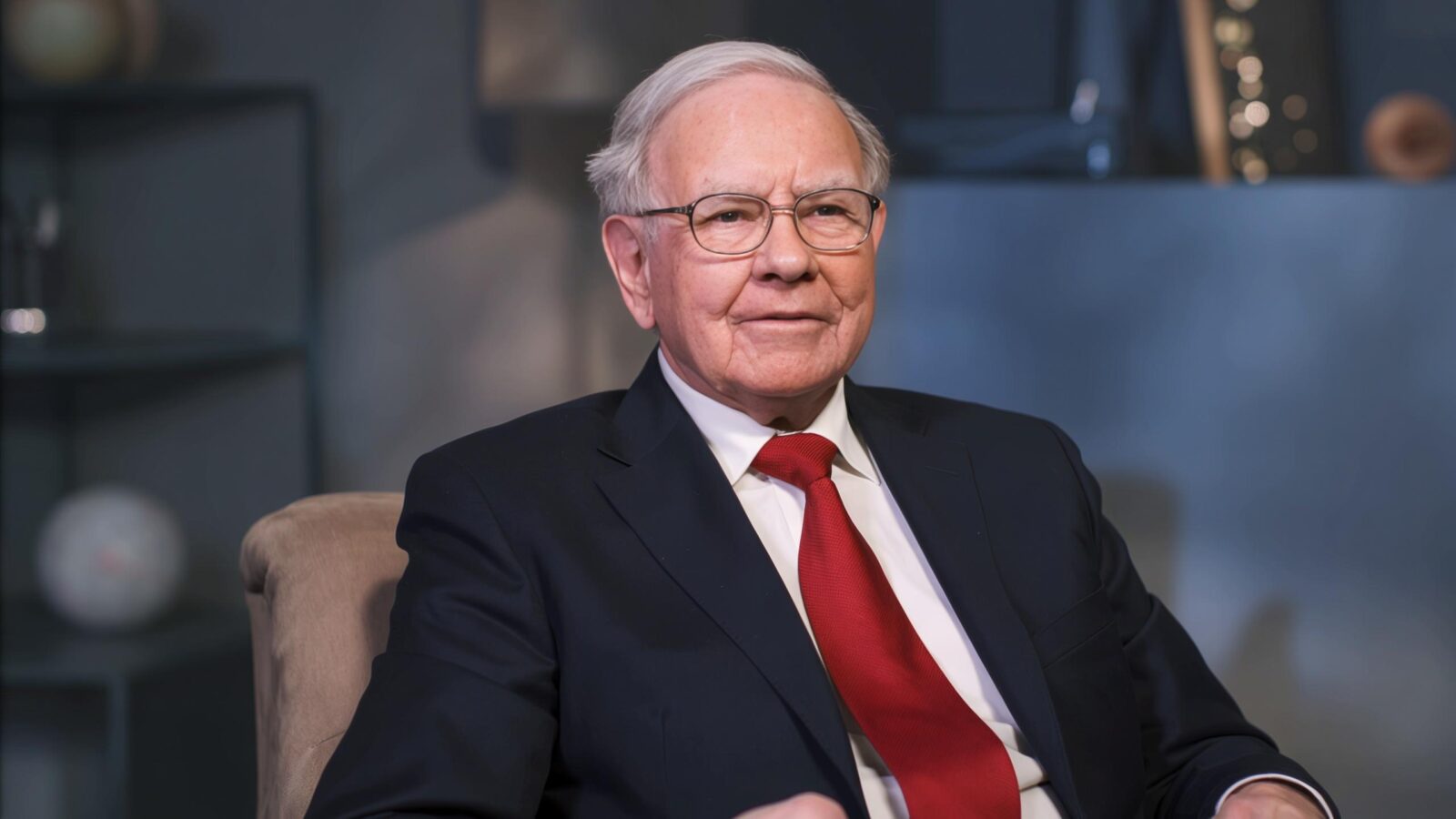
Warren Buffett built one of the greatest fortunes in history on a foundation of discipline that most people can’t sustain. He has implied many times that intelligence is common, while discipline is rare.
“Investing is not a game where the guy with the 160 IQ beats the guy with the 130 IQ. Once you have ordinary intelligence, what you need is the temperament to control the urges that get other people into trouble in investing.” – Warren Buffett.
His decades of letters and interviews hold a lesson that goes well beyond stock picking. The real value lies in the psychology that enables one man to wake up every day for over 60 years and make the same disciplined choices regardless of mood or market conditions.
Most people treat discipline as a personality trait you either have or lack. Buffett treats it as a set of mental habits anyone can build with the right approach. Below are six psychological tricks, drawn directly from his own words, that anyone can use to build lasting self-discipline.
1. Define Your Circle of Competence
“You don’t have to be an expert on every company, or even many. You only have to be able to evaluate companies within your circle of competence. The size of that circle is not very important; knowing its boundaries, however, is vital.” – Warren Buffett.
Buffett’s first trick centers on focus. He draws a hard line around what he understands well and refuses to step outside it, no matter how tempting an opportunity looks. That boundary works as a discipline strategy. It protects his mental energy for the few decisions that actually matter.
Most people fail at discipline because they spread themselves across too many things in a single day, some of which they are not even competent at. They say yes to every opportunity and try to accomplish everything at once, leaving no energy for the goals that actually matter. The discipline of knowing your strengths gives you focus.
When you define your own circle of competence at work or in life, you cut down the number of choices you have to make. Fewer choices mean less mental fatigue. Less mental fatigue leaves more willpower for the things that count.
2. Build Habits So Strong They Become Your Identity
“Chains of habit are too light to be felt until they are too heavy to be broken.” – Warren Buffett.
Buffett didn’t become a voracious reader through sheer willpower applied fresh each morning. He built a routine so consistent that reading hundreds of pages a day no longer felt like an act of discipline. It simply became who he is.
Discipline that depends on willpower alone breaks down under stress or fatigue. Discipline that’s baked into identity skips willpower entirely. So if you want a habit that sticks, stop treating it as a task you force yourself to complete. Treat it instead as a description of the kind of person you already are.
3. Think in Decades, Not Days
“Someone’s sitting in the shade today because someone planted a tree a long time ago.” – Warren Buffett.
This quote captures the core of delayed gratification. Buffett has spent his entire career thinking in terms of decades while most investors panic over quarters or even days. That long horizon shapes how he weighs every decision he makes today.
Your brain is wired to overvalue immediate rewards and undervalue future ones. This is why skipping a workout or breaking a budget feels harmless in the moment. Buffett’s real trick is visualization. Before you abandon a disciplined habit, picture the version of yourself five or ten years out who either benefits from today’s choice or pays for it.
4. Protect Your Reputation With Yourself
“It takes 20 years to build a reputation and five minutes to ruin it. If you think about that, you’ll do things differently.” – Warren Buffett.
Buffett said this about business ethics, but the idea applies just as well to personal discipline. Every time you break a promise to yourself, you chip away at your own self-trust. That erosion makes every future commitment harder to keep.
Reframe a lapse in discipline as more than a small slip. Treat it as a direct hit to the reputation you hold with yourself. Raise the stakes this way, and giving in to a shortcut starts to feel far more costly than the relief it offers.
5. Keep an Inner Scorecard
“The big question about how people behave is whether they’ve got an Inner Scorecard or an Outer Scorecard. It helps if you’re satisfied with an Inner Scorecard.” – Warren Buffett.
Buffett has explained that people who measure their success by other people’s opinions are running an outer scorecard. People who measure success by their own private standards are running an inner one, and he considers the second path far healthier.
An outer scorecard makes your discipline dependent on praise and status, both of which can vanish overnight. An inner scorecard ties your motivation to something only you control. Track your progress privately and judge yourself by your own honest standards. That internal fuel source doesn’t run dry the way external validation does, and it keeps working even on days when nobody is watching.
6. Let Logic Override Emotion
“We don’t have to be smarter than the rest. We have to be more disciplined than the rest.” – Warren Buffett.
Buffett has repeatedly pointed out that raw intelligence offers no protection against poor decisions made in a moment of fear or greed. His entire investing approach rests on staying calm while everyone else around him reacts emotionally.
The trick here is distance. Put a short pause between an impulse and an action. When you feel a sudden urge driven by frustration or fear, step back before you act on it. That pause is often enough to shift your thinking from a reactive emotional state into a calmer one, the kind where better decisions actually live.
Conclusion
Warren Buffett’s approach to discipline has little to do with superhuman willpower. He narrows his focus, automates his habits, and thinks in long timeframes. He also protects his self-trust, judges himself by his own standards, and refuses to let emotion drive his decisions.
None of these six tricks demands special talent. They demand a willingness to build the right systems and then trust those systems over time. That’s the same formula Buffett has used for decades, and it’s available to anyone willing to put it to work.