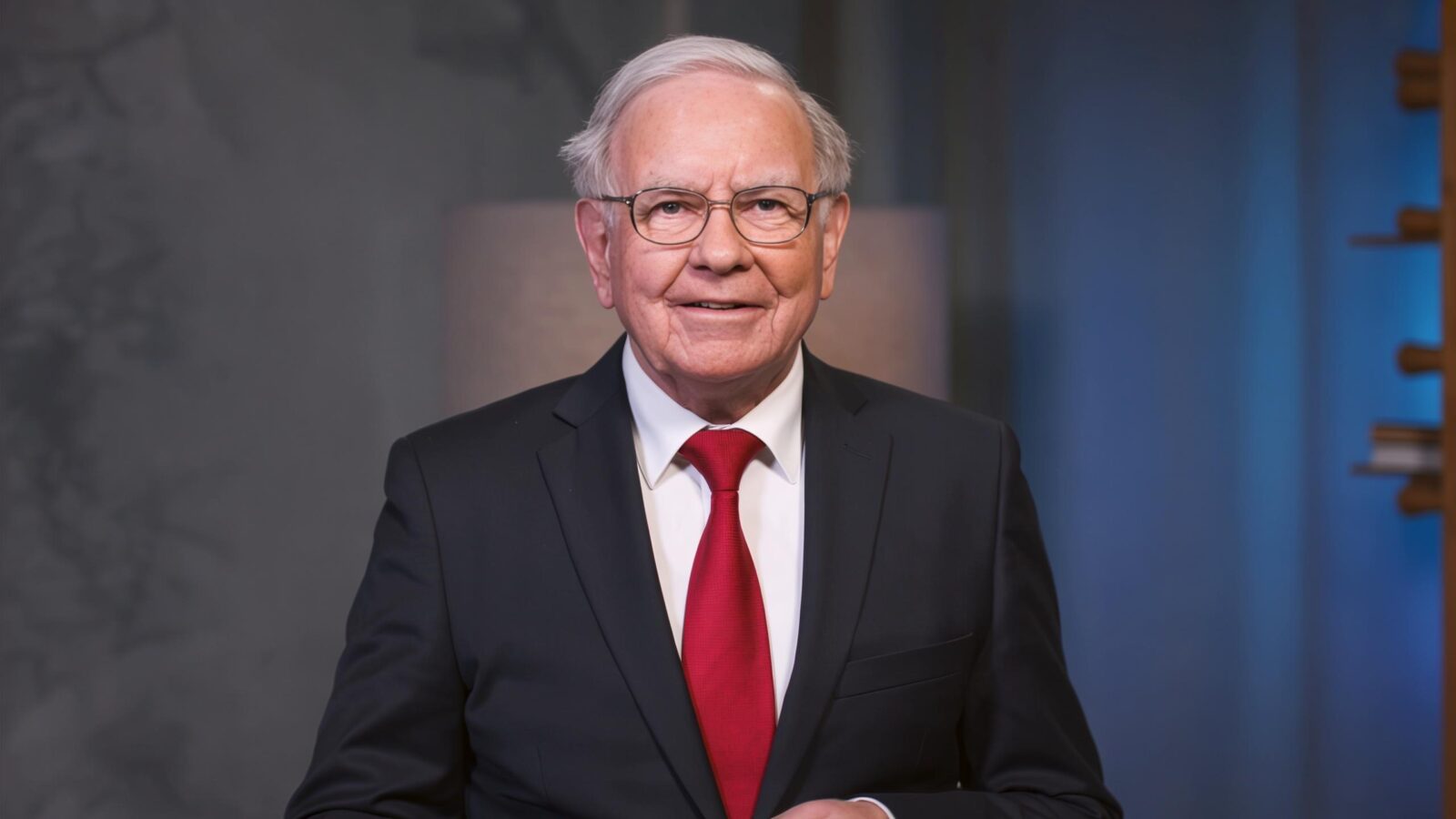
Warren Buffett built more than just a financial fortune. He built a way of thinking that traders and investors still study today, decades after his first partnership letters went out to a small group of trusting friends and family.
Most readers don’t know where to begin with learning about him and his investing process. He never wrote a formal autobiography. His story sits scattered across biographies, edited letters, and books by people who watched him work up close. Below are ten books that keep coming up as the best starting points.
1. The Snowball: Warren Buffett and the Business of Life by Alice Schroeder
Many readers call this the definitive Buffett biography, and for good reason. Schroeder spent years with him. She had access to his family, his files, and the people who knew him best, which is rare for a man who guards his privacy so closely.
The book covers far more than his investments. It digs into his childhood in Omaha, his early insecurities, and the relationships that shaped how he sees the world. The title comes from his own metaphor for compounding. A small snowball, rolled long enough, becomes something massive. That was what he said was the real secret to his outsized success.
2. The Warren Buffett Way by Robert G. Hagstrom
If Schroeder wrote the life, Hagstrom wrote the method. His book came out in the 1990s and quickly became one of the most read investing books of that decade. It gave ordinary investors a structured way to think about a business before buying a single share.
Hagstrom breaks Buffett’s process into four groups. Business quality, management character, financial strength, and price. He walks readers through real examples, including Coca-Cola and GEICO, so they can see the framework in action with companies they already recognize.
3. The Essays of Warren Buffett: Lessons for Corporate America, edited by Lawrence A. Cunningham
Buffett’s shareholder letters are often called the best writing in business literature. Cunningham took years’ worth of those letters and organized them by subject rather than by date. That single choice makes the material far easier to study and return to.
What stands out here is the voice. Plain, funny, sometimes self-deprecating. He writes about valuation and governance the way most executives never would, with real candor about his own mistakes. That honesty is a big part of why this collection has stayed in print for so long. This is the closest thing you will find to a book that Buffett wrote in his own words.
4. Tap Dancing to Work: Warren Buffett on Practically Everything by Carol Loomis
Carol Loomis covered Buffett for Fortune for decades and was also a close personal friend. She edited his shareholder letters herself, so she understood his thinking in a way few outside journalists ever could.
This book gathers her articles about him across many years, arranged roughly in order. Readers can watch his ideas shift and sharpen over time. It plays almost like a long-running documentary, written as events happened rather than reconstructed after the fact.
5. Warren Buffett’s Ground Rules: Words of Wisdom from the Partnership Letters by Jeremy Miller
Before Berkshire Hathaway grew into a sprawling conglomerate, Buffett ran private investment partnerships through the 1950s and 1960s. Miller’s book focuses on those early years, when he was still figuring things out.
The letters here show a younger, rougher Buffett. He’s working out his rules in real time, not explaining a finished philosophy decades later. For readers who want to see how an investment framework actually gets built, this is one of the more interesting entries on the list.
6. Buffett: The Making of an American Capitalist by Roger Lowenstein
This 1995 biography by Roger Lowenstein was the standard account of Buffett’s life long before The Snowball book was ever written. Some longtime readers still prefer it. The pace is tighter, and the story moves quickly without losing depth.
Lowenstein follows Buffett from a curious kid in Omaha to one of the richest men alive. He pays close attention to Buffett’s modest habits, the same plain house, the same simple routines, and how that restraint shaped his investing for decades.
7. Poor Charlie’s Almanac: The Wit and Wisdom of Charles T. Munger edited by Peter D. Kaufman
No study of Buffett is complete without Charlie Munger. Buffett has said many times that Munger pushed him away from buying cheap, mediocre companies and toward buying great ones at fair prices instead.
This collection brings together Munger’s speeches and writings on decision-making and human behavior. It’s dense in places, but it pairs naturally with the more Buffett-centered books here. So much of Berkshire’s philosophy came from these two men figuring things out together over fifty years. This book teaches you the Munger philosophy that shaped so much of Buffett’s thinking
8. The Warren Buffett CEO: Secrets from the Berkshire Hathaway Managers by Robert P. Miles
Buffett’s stock picks get most of the attention, but his management style deserves equal study. Berkshire owns a huge collection of businesses under the Berkshire Hathaway conglomerate while running its headquarters with a tiny staff. That alone makes it worth examining.
Miles interviewed the leaders of several Berkshire subsidiaries directly. What comes through is trust. Buffett picks capable people, hands them the keys, and largely leaves them alone to run things their own way.
9. Warren Buffett Speaks: Wit and Wisdom from the World’s Greatest Investor by Janet Lowe
Janet Lowe’s book serves as a shorter read as an entry point. She organizes Buffett’s public comments and interviews into themed sections covering business, family, and money. It won’t replace a full biography, but it’s a fast way to get a feel for him.
The book leans into his humor as much as his investing logic. Readers get a sense of the personality behind the numbers before deciding whether to take on something longer like Schroeder or Lowenstein.
10. The Midas Touch: The Strategies That Have Made Warren Buffett America’s Pre-eminent Investor by John Train
John Train’s book was one of the earlier mainstream attempts to explain what set Buffett apart from other investors of his era. It focuses more on temperament than technique, making it a different kind of read than some entries on this list.
The train focuses on Buffett’s patience and his refusal to panic when markets fall apart. He also looks at how living far from Wall Street, in a quiet city in Nebraska, may have given Buffett the distance to think clearly and act on a much longer timeline than most of his peers ever could.
Conclusion
No single book covers the full extent of Buffett. That’s the whole point of a list like this one. Biography, strategy, and his own letters each show a different side of the same man, and reading a few of them together fills in gaps that any one source would leave open.
His life makes one thing clear. Investing well has as much to do with character as it does with math. These ten books, read together, offer one of the better educations available on how he actually thinks, not just how he invests and manages Berkshire Hathaway.