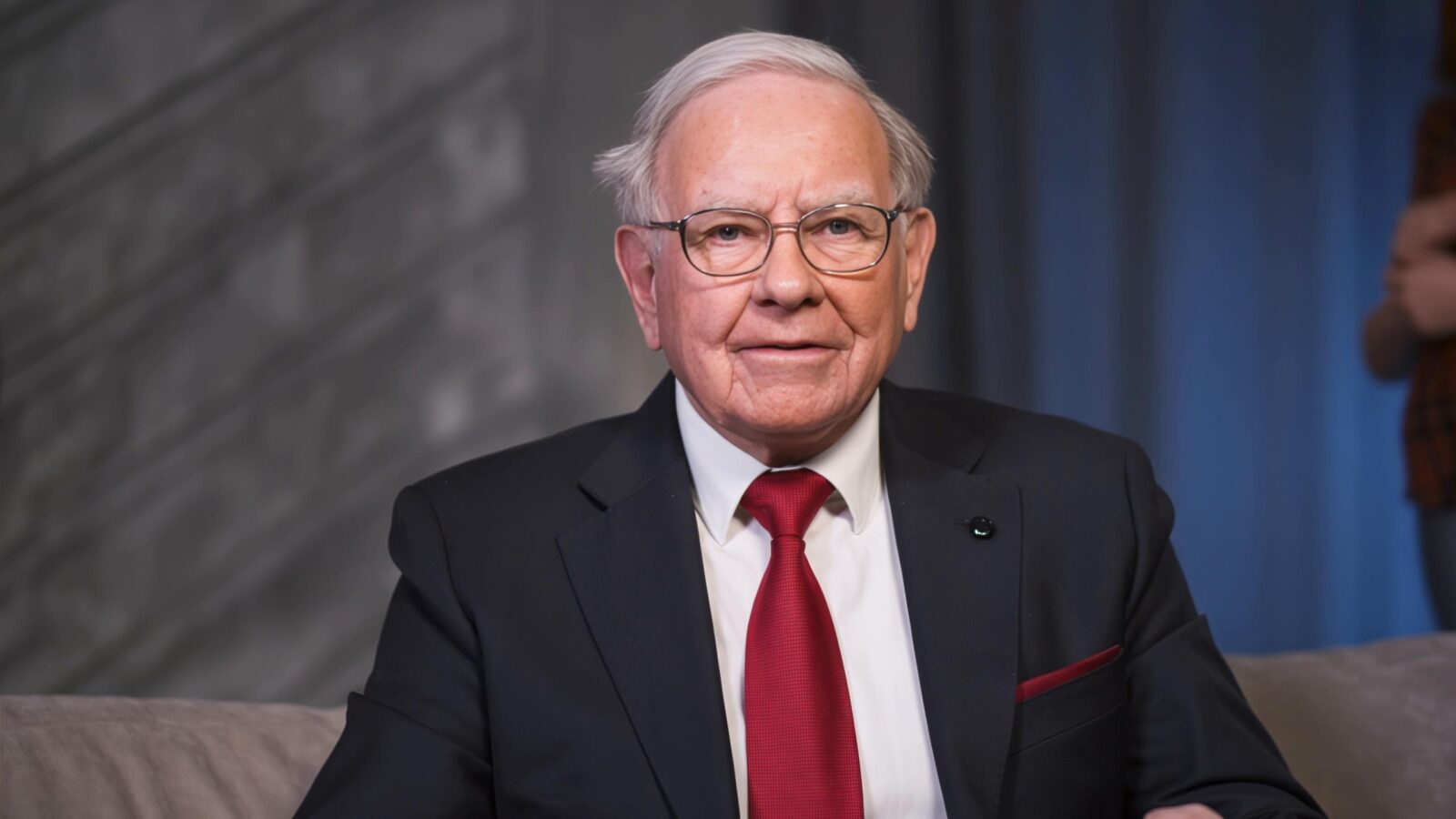
Warren Buffett is worth over $145 billion. He still drives himself to McDonald’s most mornings and orders off a fixed rotation of three items depending on how the market did the day before. That contrast is the whole point.
The beginning of his fortune wasn’t built by earning more than everyone else. It was built by refusing to leak money on things that don’t add real value, year after year, for decades. He had frugal habits from a young age and maintained them throughout his life, considering the opportunity cost of every dollar he spent.
Middle-class households often lose ground the same way, one small habit at a time. None of these ten habits looks dangerous on its own. Stacked together over twenty years, they can be the difference between retiring comfortably and working into your seventies.
1. Brand-New Cars at Full Sticker Price
A new car loses a large chunk of its value in the first year alone, sometimes fifteen to twenty percent before the odometer hits a thousand miles. Lease one every three years, and you’re paying full price for depreciation twice over.
Buffett drove a 2006 Cadillac DTS for nearly a decade before he replaced it, and when he finally did, he sought out a car with hail damage to get it below full price. “Price is what you pay; value is what you get.” — Warren Buffett. That’s a line he first credited to his mentor, Ben Graham, and he applies it to cars just as readily as to companies.
2. High-Interest Credit Card Debt
Carrying a balance month to month doesn’t feel dangerous at first. It’s just a minimum payment, easy to ignore. Then the interest compounds, and the original purchase ends up costing far more than the sticker price ever suggested.
Buffett has warned about this specific trap for decades, going back to a speech he gave at the University of Nebraska. “Sometimes they are 18%. Sometimes they are 20%. If I borrowed money at 18% or 20%, I’d be broke.” — Warren Buffett. He carries cash for most purchases and pays off any card balance immediately.
3. Buying More House Than Necessary
A raise arrives, and the instinct is to trade up. Bigger house, bigger mortgage, bigger property tax bill, more square footage to heat, cool, and furnish. The upgrade rarely delivers proportional happiness.
Buffett has lived in the same Omaha house since 1958, which he bought in 1958 for $31,500. At a Berkshire Hathaway shareholders meeting, he put it plainly: “I do not think that standard of living equates with cost of living beyond a certain point.” — Warren Buffett. Six or eight houses, he’s said, wouldn’t make his life any better. It might make it worse.
4. Chasing the Latest Tech Upgrades
Phones get replaced every year or two, often for features most people never touch. The marginal improvement rarely justifies the marginal cost, but the habit persists anyway.
Buffett carried a twenty-dollar Samsung flip phone for years while Berkshire held a massive Apple stake. Tim Cook personally offered to fly to Omaha and set up an iPhone for him. When Buffett finally switched, at eighty-nine, he was characteristically self-deprecating about it. “You’re looking at an 89-year-old guy who’s barely beginning to get with it.” — Warren Buffett. He still mostly uses it to make calls.
5. Subscription Overload
A streaming service here, a gym membership there, a meal kit that stopped arriving weeks ago but never got canceled. Individually, each one is a rounding error. Together, they can run a household two or three hundred dollars a month without anyone deciding it should.
Buffett’s approach to spending starts before the money ever reaches a checking account. “Do not save what is left after spending, but spend what is left after saving.” — Warren Buffett. Flip the order, and every recurring charge has to justify itself against what’s actually left.
6. Expensive Fine Dining
A tasting menu with wine pairings can run several hundred dollars for two people. It’s a fine treat occasionally. As a weekly habit, the math gets brutal fast.
Buffett’s own tastes run in the opposite direction entirely. He’s on record turning down expensive meals in favor of something far simpler. “I don’t like a $100 meal as well as a hamburger from McDonald’s.” — Warren Buffett. That’s not false modesty. He’s genuinely said he doesn’t equate the cost of something with how much he’ll enjoy it.
7. Lottery Tickets
A scratch-off ticket costs a few dollars and offers a sliver of hope. Multiply that purchase by every week for thirty years, and the money adds up to a meaningful sum with essentially nothing to show for it.
Buffett has never been shy about how he sees this. At Berkshire’s 2007 annual meeting, Buffett criticized the industry directly, and he directed some of his sharpest words at the governments that promote it. “I find it socially revolting when a government preys on its citizens rather than serving them.” — Warren Buffett. He’s made the point at Berkshire’s annual meetings more than once, framing state-run lotteries as a government profiting off odds it knows the buyer doesn’t fully understand.
8. Casino Betting and Sports Gambling
Every casino game is built with a house edge baked into the rules. Sports betting apps operate the same way, just with better marketing. Play long enough and the math wins, not the player.
“Gambling is a tax on ignorance.” — Warren Buffett. He avoids any bet where the odds are structurally against him.
9. Fast Fashion and Designer Logos
Cheap trend clothing falls apart after a handful of washes. Designer logos cost extra for the name alone, not necessarily for better stitching or fabric. Neither path buys durability.
Buffett has said his approach to shopping mirrors his approach to investing. “Whether we’re talking about socks or stocks, I like buying quality merchandise when it is marked down.” — Warren Buffett. He’d rather own fewer things that last than more things that don’t.
10. Speculative “Get Rich Quick” Investments
Meme stocks spike on social media momentum. New cryptocurrencies launch weekly, most with no clear use case. Complicated derivatives promise outsized returns to buyers who can’t fully explain how they work.
Buffett has repeated one rule across six decades of shareholder letters and interviews, and it hasn’t changed. “Never invest in a business you cannot understand.” — Warren Buffett. If he can’t explain how a company makes money in a few sentences, he passes, no matter how much attention it’s getting.
Conclusion
Look back over this list, and the pattern isn’t complicated. Buffett spends on things that hold or build value, and he skips the ones that look good in the moment. A used car under sticker price. A paid-off credit card. A house that fits without straining the budget. A hamburger that costs three dollars and tastes exactly as good to him as one that costs a hundred.
None of that requires billions in the bank first. It just requires treating the difference between price and value as something worth noticing, purchase by purchase, before the habit sets in, rather than after.