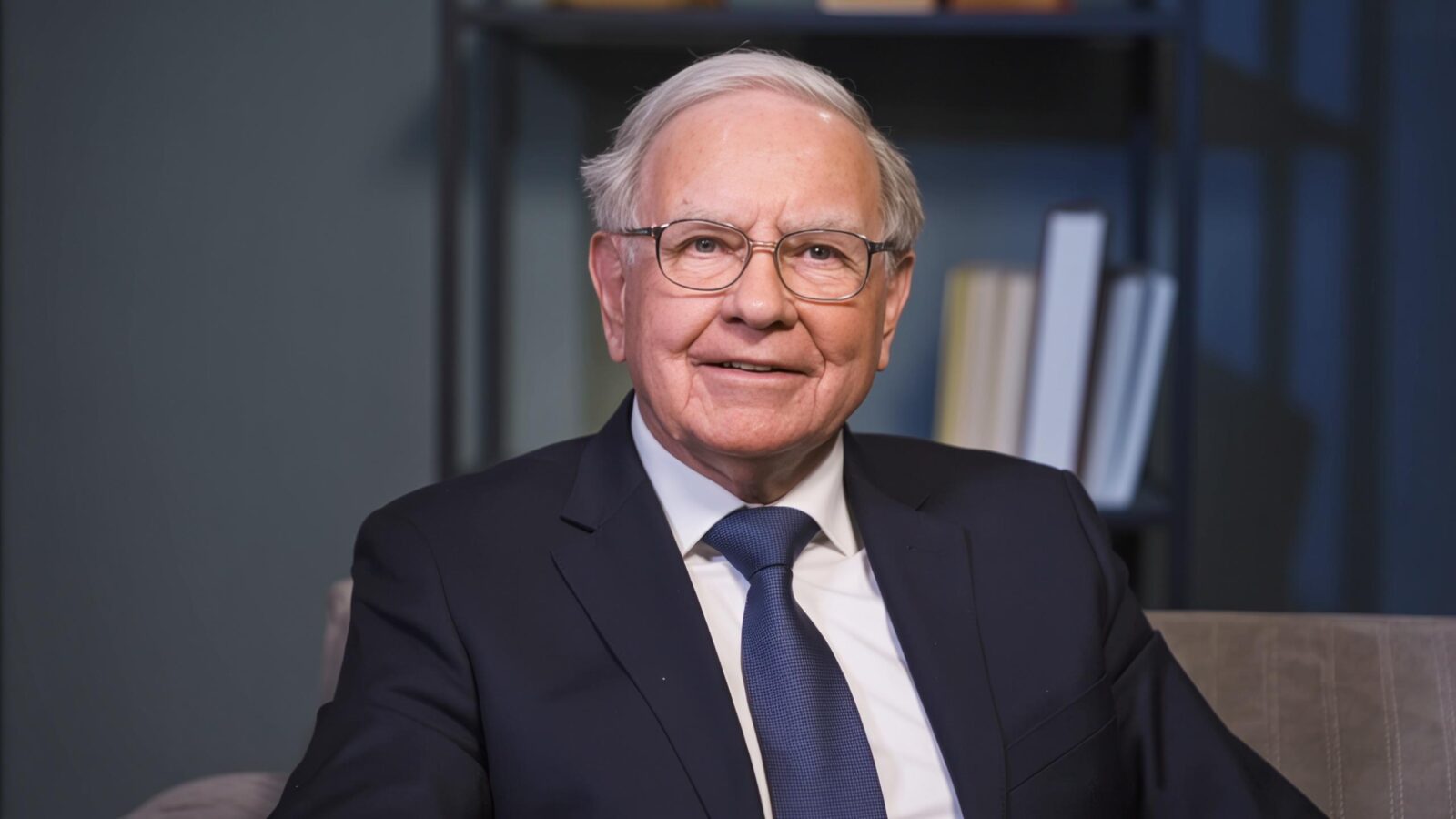
Warren Buffett built one of the largest fortunes in modern history using a calculator, a stack of annual reports, and patience most investors never manage. But when he talks to business students about the one skill that changed his life, he doesn’t mention any of that. He talks about learning to speak clearly in front of other people, a skill he once found so frightening that he rearranged his college schedule to avoid it.
Buffett has told students that sharpening this single ability could increase their lifetime earning power by as much as 50%. That number gets repeated often, but the reasoning behind it matters more than the figure itself.
At a 2009 Columbia Business School town hall, Buffett told students, “Right now, I would pay $100,000 for 10 percent of the future earnings of any of you, so if you’re interested, see me after class,” then added, “Now, you can improve your value by 50 percent just by learning communication skills—public speaking. If that’s the case, see me after class, and I’ll pay you $150,000.”
A brilliant idea that stays locked inside someone’s head is worth nothing to anyone else. Below are five lessons drawn from Buffett’s own words and habits that show how a terrified young man from Omaha became one of the most trusted communicators in business.
1. Speak in Plain English, Not Jargon
Buffett strips acronyms and technical shorthand out of almost everything he writes. His shareholder letters read more like a conversation than a financial filing, and that’s on purpose. He has said his goal is to hand readers exactly the information he would want handed to him.
“My goal is simply to give them the information I would wish them to supply me if our positions were reversed.” – Warren Buffett
He writes those letters as though he’s talking directly to his sisters, Doris and Bertie. Both are smart, well-read women with no patience for Wall Street terminology. So he imagines them sitting across the table and explains things the way he would if they asked him a question over dinner.
There’s a test hiding inside this habit. If you can’t explain an idea in simple terms, you probably don’t understand it as well as you think. Jargon often covers gaps in understanding rather than proving expertise.
2. Sincerity Beats Eloquence
Buffett has never tried to be the smoothest talker in the room, and he doesn’t seem to care. What he cares about is whether people believe what he’s saying. Trust, in his world, gets built through honesty rather than smooth talk.
“To succeed, I don’t need to be Shakespeare; I must, though, have a sincere desire to inform.” – Warren Buffett
That single sentence reframes the entire purpose of speaking to an audience. The question shifts away from sounding impressive. It becomes about being straightforward with the people listening, even when the truth is unflattering or complicated.
People can usually tell the difference between someone trying to help them and someone trying to impress them. Buffett bets on the first option every time. Respecting an audience means handing them real facts without dressing them up.
3. Face the Fear Through Exposure
Buffett was once so afraid of public speaking that he dropped out of his first speech class entirely. In college, he built his class schedule around avoiding any course that required standing in front of a room. That fear followed him well into his twenties.
“You have to do it. And the sooner you do it, the better… force yourself to get into situations with people. Most of them don’t bite!” – Warren Buffett
At twenty-one, he finally paid for a Dale Carnegie public speaking course. Showing up week after week, forcing himself through the discomfort, is what actually changed things. Confidence didn’t arrive first and make the speaking easier. The speaking came first, and the confidence followed from repetition.
Buffett didn’t stop there. He immediately volunteered to teach night classes at the University of Omaha right after finishing the course. Teaching kept him talking in front of strangers regularly, which locked the skill in place before old habits could creep back.
4. Focus on the Audience’s Needs
Good communication, in Buffett’s telling, has almost nothing to do with the speaker. It has everything to do with what the listener walks away understanding. That distinction sounds small, but it changes how a person builds an argument from the ground up.
Instead of stacking up facts to prove how much you know, the goal becomes helping someone else make a better decision. Empathy sits underneath every good explanation Buffett gives, whether he’s talking about insurance float or the mistakes he made buying a textile mill decades ago. He starts from what the listener needs, not from what he wants to say.
This shift changes the emotional tone of a conversation almost instantly. People stop feeling talked at. They start feeling like someone actually thought about what they needed to hear before opening their mouth.
5. Recognize Communication as a Force Multiplier
Technical skill and raw intelligence only carry a person so far. Buffett has pointed out, more than once, that an idea nobody can explain might as well not exist. Being right in private helps no one.
“If you can’t communicate and talk to other people and get across your ideas, you’re giving up your potential.” – Warren Buffett
Expertise builds the foundation, but communication multiplies its impact once it leaves your head. A great analyst who can’t explain a thesis in a meeting will lose to a mediocre analyst who can. That’s a hard truth, but Buffett has lived by it his whole career.
The clearest proof of how much this matters to him hangs on his office wall. It isn’t a degree from Columbia or a photo with a head of state. It’s his 1952 Dale Carnegie certificate in effective speaking, framed and kept in plain view decades after he earned it.
Conclusion
Buffett’s approach to speaking well has almost nothing to do with vocabulary size or stage presence. It comes down to plain language, honesty, repeated practice under discomfort, and a habit of thinking about the listener before thinking about yourself. None of those things require natural talent.
He started out as one of the most anxious speakers in his college class and ended up as one of the most trusted voices in American business. That gap didn’t close by accident. It closed because he treated speaking as a skill worth building, the same way he treated investing, and put in the repetition most people skip.