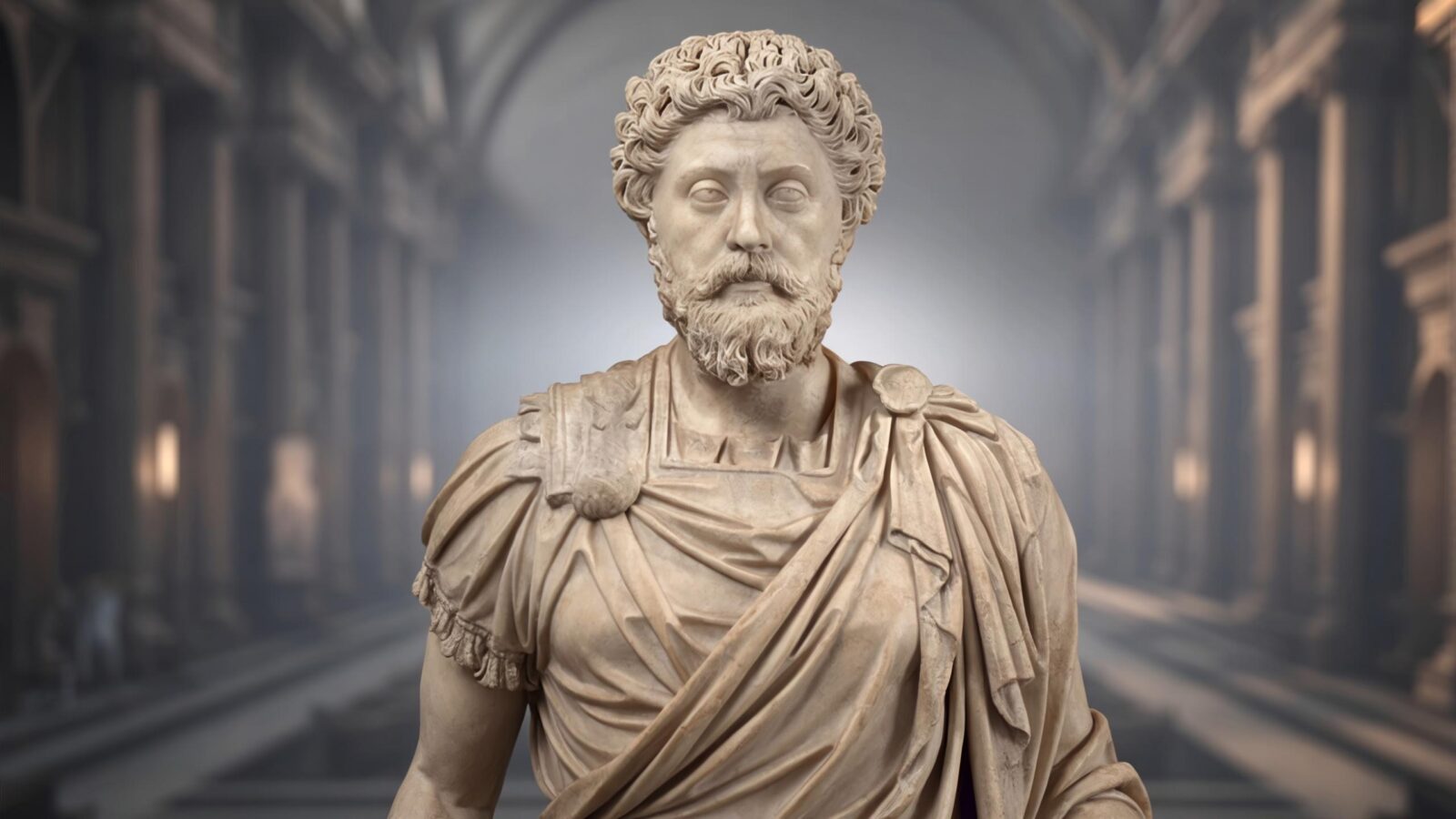
Minimalism is often reduced to clearing closets or buying less. Marcus Aurelius had a wider concern. In Meditations, he pushed himself to remove wasteful thoughts, useless obligations, and dependence on circumstances beyond his control.
He was a Roman emperor with access to comfort, status, and power, yet he kept returning to restraint. This modern label did not exist in his time, but the practice will feel familiar to anyone who wants a quieter mind and a life with fewer unnecessary demands.
1. Remove Unnecessary Activity
“Do every act of thy life as if it were the last.” – Marcus Aurelius, Meditations
Emperor Aurelius treated time as a serious responsibility. In the modern era, a day can disappear into errands, messages, gossip, and minor obligations that feel urgent only because they arrive. By evening, a person may have been busy for hours without doing much that deserves to be called useful.
His answer was not laziness or withdrawal from duty. He wanted someone to give their full effort to the work that belonged to them, then leave the rest alone. That approach cuts through the habit of saying yes to every invitation, request, or distraction that crosses your path.
Start by looking at your regular commitments without trying to defend them. Some will support your family, livelihood, health, goals, or close relationships. Others may continue only because you have done them for a long time and feel awkward about stopping.
A simpler schedule gives necessary work the room it needs. It also makes rest feel like rest, rather than a brief pause between obligations that should never have been accepted. He would likely see a crowded life as a problem of judgment in priorities, not proof that someone is important.
2. Keep Other People’s Noise Out of Your Head
“Men seek retreats for themselves, houses in the country, sea-shores, and mountains… But this is altogether a mark of the most common sort of men.” – Marcus Aurelius, Meditations
A clean house does little good if the mind remains packed with anger, comparison, and other people’s opinions. Marcus wrote that a person could retreat into their own mind at any time. He did not mean escaping reality. He meant refusing to let every outside event take possession of your thoughts.
Modern life puts this habit under constant pressure. Phones make every current negativity available to read at once, and many news and social media feeds are built to keep people irritated, jealous, or afraid. The content arrives faster than a person can think, which is one reason it leaves so much mental clutter behind.
You do not need to follow every public argument to be a responsible person. You can decide when to read the news, when to check messages, and which voices are worth taking seriously. A limit on mindless scrolling is not ignorance. It is a decision to protect your attention.
That protection has a practical effect. When fewer stray opinions occupy your mind, you can think more clearly about your actual work, your family, and the problems that are truly yours to solve.
3. Be Comfortable With Enough
“Very little is needed to make a happy life; it is all within yourself, in your way of thinking.” – Marcus Aurelius, Meditations, Book 7
Marcus had more material privilege than almost anyone around him. Still, he did not treat possessions as a safe foundation for a good life. Things wear out, markets change, and life events can take away what others once admired in you.
Wanting comfort is human. The trouble starts when comfort becomes a requirement for peace, or when every purchase creates a desire for an upgraded version. A person who always needs more has made their contentment dependent on conditions that never stay the same.
Living simply does not require pretending to be poor or refusing useful possessions. A reliable car, a comfortable bed, good tools, and a home that works for your family can make daily life easier. The issue is whether you own these things or spend your life serving them.
Look for purchases that solve a lasting problem rather than announce something about you. Keep items that are useful, durable, or personally meaningful. The rest may cost more than its price tag in storage, maintenance, worry, and attention.
4. Stay With the Task in Front of You
“Every hour apply thyself seriously to the doing of the matter in hand with exact and unfeigned dignity, affection, freedom, and justice.” – Marcus Aurelius, Meditations, Book 2
Much mental clutter comes from living somewhere other than the present. A person replays an old mistake during breakfast, worries about next month while working, then misses the conversation happening across the table. The mind has filled every moment with something except the moment itself.
Marcus brought his attention back to the immediate duty. He did not claim that the future was unimportant. He understood that planning has a place. His point was that anxiety about a future event does not complete today’s work or improve today’s conduct.
Your current task deserves one set of focused eyes. When writing, write. When eating, eat without turning the meal into another chance to absorb a stream of content. When someone you care about is speaking, give them the attention you would hope to receive.
This takes practice because distraction often feels easier than concentration. Begin with a short period of focused work and keep your phone out of reach. Finish a natural portion of the task before moving to something else. The habit becomes stronger when you stop treating divided attention as normal.
5. Judge Things by Their Use, Not Their Status
“The soul becomes dyed with the color of its thoughts.” – Marcus Aurelius, Meditations, Book 5
Status can make almost anything seem necessary. People buy things they do not need, chase titles they do not enjoy, and maintain relationships that drain them because they fear what others might think. Marcus urged himself to look past appearance and examine the thing itself.
A possession has a real purpose when it helps you do your work, care for your family, or enjoy your time. Its value becomes harder to defend when its primary purpose is to win approval from strangers. Praise has a short shelf life, and someone else will always have a newer symbol of success.
The same standard applies to commitments. Ask whether a role, social event, or goal fits the life you want to lead. If the main reward is being seen doing it, that is useful information before you give it more time.
This habit may feel uncomfortable because status is woven into ordinary choices. Still, honest evaluation can prevent years of spending and striving for things that do not improve your life when nobody else is watching.
Conclusion
Marcus Aurelius did not offer a decorating style or a shopping rule. He offered discipline over attention, desire, and judgment. His version of simplicity asks you to remove what wastes your time and stop giving so much authority to possessions or opinions.
The change can begin with one ordinary choice today. Decline an empty commitment, put away an unused item, step back from needless noise, or finish the work already in front of you. Each choice leaves a little more room for a life directed by purpose instead of excess.