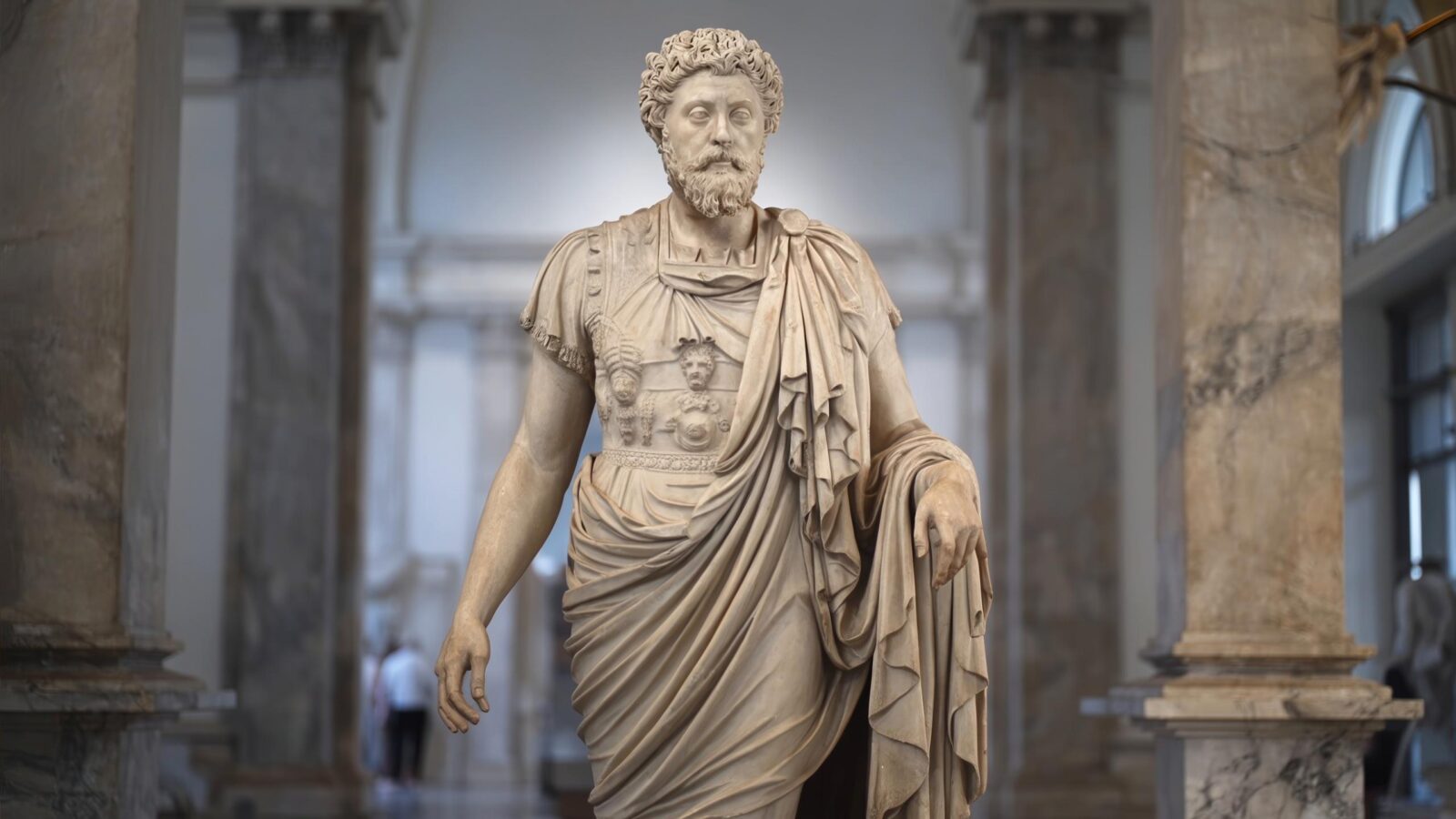
1. Letting Every Outside Event Ruin Your State of Mind
“If thou art pained by any external thing, it is not this thing that disturbs thee, but thy own judgment about it. And it is in thy power to wipe out this judgment now.” Marcus Aurelius, Meditations, Book VIII.
A late flight, a rude comment, a losing investment, or a change of plans can land hard. Aurelius was not asking people to pretend that setbacks feel good. He was pointing to the extra suffering created when the mind decides that one setback has spoiled everything.
A person in this pattern lets the smallest disturbance set the emotional temperature for hours. The parking problem makes for a bad morning. A harsh remark from one person becomes evidence that nobody respects them. Soon, the original event is gone, while the reaction keeps drawing attention.
The Stoic response starts with the facts. What happened? What action can I take? Sometimes the right move is to leave, speak up, repair a mistake, or wait until anger cools down. The event may still be unpleasant, but it does not have to dictate your whole state of mind.
2. Living for Approval and Taking Criticism as a Personal Verdict
“How can that which profits not the hive profit the bee?” Marcus Aurelius, Meditations, Book VI.
Aurelius valued service to other people. He did not think a good life was built around applause. Someone who must be admired becomes easy to control, because praise can buy their agreement and criticism can wreck their day.
This habit causes expensive mistakes. People spend to look successful when their finances say otherwise. They hide an honest opinion to avoid discomfort. They may even accept poor treatment because setting a boundary could make them unpopular.
Self-respect gives a person firmer ground. It asks whether their conduct was fair, honest, and useful. Feedback still matters. A wise person listens for what is accurate, fixes what needs fixing, and leaves the rest where it belongs, with the speaker.
3. Complaining Until Complaint Replaces Action
“Let no act be done without a purpose, nor otherwise than according to the perfect principles of art.” Marcus Aurelius, Meditations, Book IV.
Complaining offers a quick release. It can also turn into a hiding place. Repeating the story of an unfair boss, a careless partner, or a difficult customer may feel justified, yet it does nothing on its own to change the outcome.
Some problems deserve direct resistance. A broken agreement may call for a hard conversation. A bad job may call for a plan to leave. Stoicism does not mean accepting any treatment you are handed. It means dropping the performance of helplessness and moving toward the part of the problem you can address.
People lose time when they explain, over and over, why action is impossible. The first useful step can be modest. Write the email. Check the account balance. Ask the question you have been avoiding. Small action does more for a person’s confidence than another hour of grumbling.
4. Replaying the Past and Borrowing Trouble From the Future
“Confine thyself to the present.” Marcus Aurelius, Meditations, Book VII.
The past can teach a hard lesson. The future deserves sensible preparation. Trouble starts when regret becomes a daily ritual, or fear demands an answer to every possible outcome before you take today’s next step.
Someone can sit safely at a kitchen table and suffer through an argument from years ago. Another person can lose sleep over a disaster that may never happen. Their mind is busy, but no work is being done in the place where life is actually taking place.
The present is usually less dramatic than the story running in your head. It may call for an overdue phone call, a careful review of a bill, or a task you have put off for too long. Handle that piece first. Afterward, you can decide what deserves planning and what deserves to be left alone.
5. Choosing Comfort Every Time Duty Asks for Effort
“In the morning, when thou risest unwillingly, let this thought be present: I am rising to the work of a human being.” Marcus Aurelius, Meditations, Book V.
This is one of the most recognizable passages in Meditations because Aurelius admits the urge to stay comfortable. He does not describe himself leaping from bed full of enthusiasm. He gives himself a reason to get up anyway.
Procrastination rarely announces itself as laziness. It often sounds practical. You may tell yourself that you need more research, a better mood, more time, or the perfect conditions before you begin. Then another day passes, and the hard thing remains untouched.
Comfort has a place. Rest is necessary, and nobody can work at full speed all the time. The problem arises when comfort becomes the default answer to every demand. A person slowly teaches themselves that discomfort is a stop sign rather than a cost that sometimes comes with worthwhile work.
Start before you feel completely ready. Do the workout, open the document, make the call, or handle the bill. Each completed act gives you evidence that you can rely on yourself when motivation is absent.
Conclusion
These habits all involve giving away authority over your own mind. The outside world, other people’s opinions, old regrets, imagined disasters, and comfort begin making decisions that should be yours.
Marcus Aurelius kept bringing himself back to the same discipline. Pay attention to the judgment you are adding to the event. Deal honestly with what is in front of you. Then do the work that the situation requires.
No one follows that standard perfectly. The practice gives you a solid place to return to when you catch yourself spiraling, complaining, avoiding effort, or letting somebody else’s opinion ruin your day.