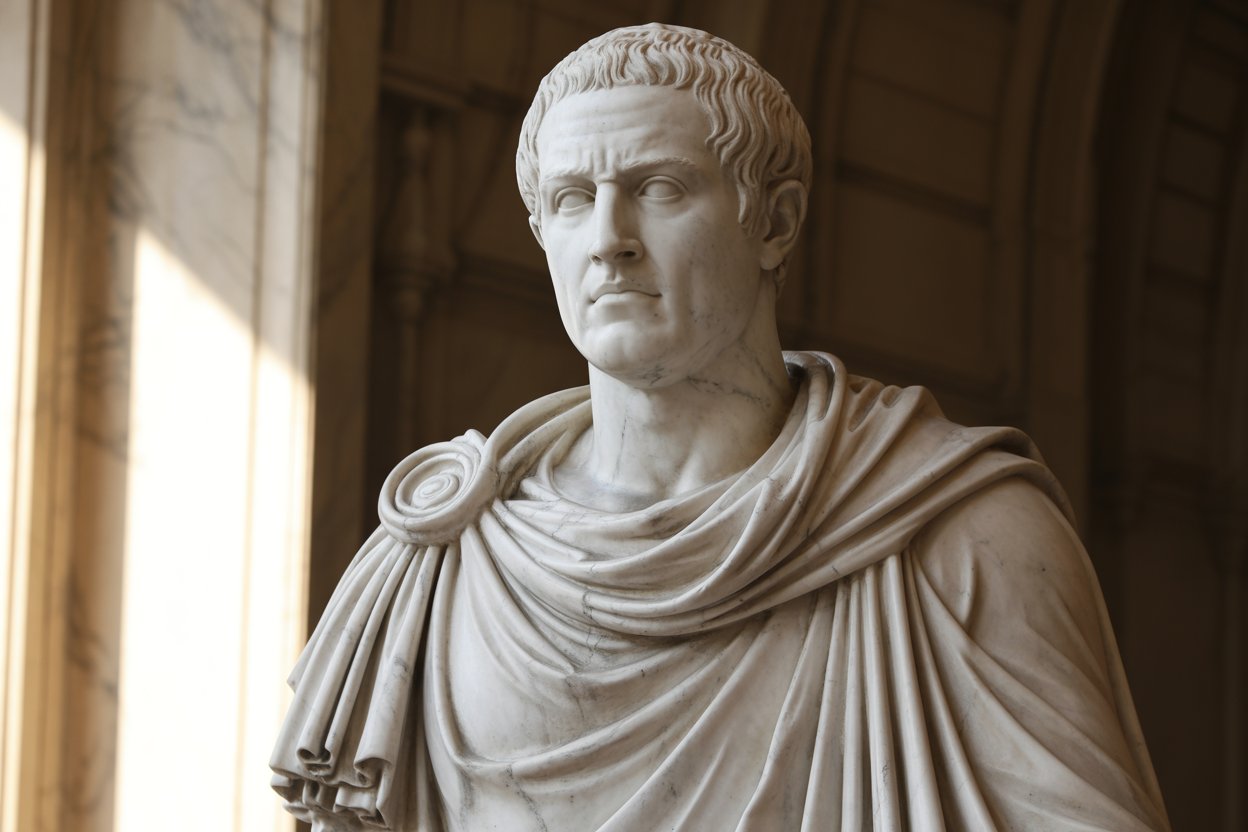
Most people think Stoicism is about being emotionless or suppressing feelings. That’s completely wrong. Stoicism is about mastering your responses to life’s challenges, so you can build the life you truly want, rather than constantly reacting to whatever chaos comes your way.
The ancient Stoics understood something most people miss: you can’t control what happens to you, but you can absolutely control how you respond. That distinction makes all the difference between someone who builds lasting wealth and someone who stays stuck in financial mediocrity despite working hard.
The beauty of Stoic practices lies in their simplicity as daily habits, rather than complex philosophical theories. You can start implementing them today and see fundamental changes in how you handle stress, make decisions, and move toward your goals. Here are five Stoic habits that will genuinely improve your life.
1. Start Your Day With Negative Visualization
This sounds counterintuitive, but spending five minutes each morning imagining what could go wrong actually reduces anxiety and improves your performance throughout the day. The Stoics referred to this as “premeditatio malorum,” or the premeditation of evils.
Marcus Aurelius practiced this every morning, reminding himself that he would encounter difficult people, unexpected obstacles, and situations outside his control. He wasn’t being pessimistic. He was preparing his mind for reality.
When you mentally rehearse challenges before they happen, you remove the element of surprise that typically triggers emotional reactions. If you’ve already imagined your investment going south, a client backing out, or traffic making you late, these events don’t hijack your emotional state when they actually occur.
This practice also builds gratitude. When you visualize losing things you currently have, you appreciate them more. Instead of taking your health, relationships, or financial stability for granted, you recognize their value in the present moment.
The key is to make this a brief morning ritual, rather than dwelling on negativity throughout the day. Five minutes of mental preparation can save you hours of emotional recovery from unexpected events.
2. Insert a Pause Between Stimulus and Response
Epictetus taught that between every external event and your response lies a space. In that space lives your power to choose your reaction. Most people never access this space because they react instantly and automatically.
The pause practice is simple: when something triggers you, take three deep breaths before responding. That’s it—no complex meditation required. Just breathe and create space between what happened and what you’ll do about it.
This habit transforms everything. A rude email doesn’t get an angry reply that damages a business relationship. A market downturn doesn’t trigger panic selling. A family member’s criticism doesn’t start a fight. You give your rational mind time to engage instead of letting your emotional brain drive the bus.
Wealthy individuals consistently demonstrate the ability to remain composed in high-pressure situations. They refrain from making impulsive financial decisions during market volatility. They don’t react defensively when receiving feedback. They process, then respond strategically.
Start practicing this during low-stakes moments, such as minor inconveniences or small frustrations. Build the neural pathway now so it’s available when high-stakes situations arise. The pause becomes automatic with practice, and that automation protects you from the costly mistakes most people make when emotionally activated.
3. Practice Evening Reflection
Seneca recommended ending each day by reviewing your actions and asking yourself what you did well, what you could have done better, and what you learned from the experience. This five-minute evening practice compounds into extraordinary personal growth over time.
The goal isn’t self-criticism or dwelling on failures. It’s an honest assessment for continuous improvement. Successful traders keep trading journals using exactly this principle. They review their decisions, not to beat themselves up but to identify patterns and refine their process.
Most people repeat the same mistakes because they never take the time to reflect on what went wrong. They stay in reactive mode, lurching from one situation to the next without extracting lessons. Evening reflection breaks this cycle.
You can do this mentally or in writing. If you write, keep it simple: three things you handled well, one thing you’d do differently, and one insight you gained. That’s enough to build self-awareness and track progress over weeks and months.
This habit also improves sleep quality. When you process your day before bed, you’re less likely to ruminate. You’ve already examined what happened, extracted the lesson, and mentally closed the chapter. Your mind can rest instead of replaying events on a loop.
4. Build Resilience Through Voluntary Discomfort
The Stoics regularly practiced minor discomforts to build mental toughness and break their dependence on constant comfort. This might mean taking cold showers, fasting occasionally, exercising when you don’t feel like it, or deliberately choosing the harder option sometimes, like taking the stairs.
This isn’t about being harsh with yourself. It’s about expanding your comfort zone so life’s inevitable discomforts don’t derail you. Most people stay stuck because they’ve become addicted to comfort. They won’t make the hard call, have the difficult conversation, or push through temporary discomfort to reach their goals.
Voluntary discomfort also builds appreciation for what you have. When you occasionally skip a meal, you appreciate food more. When you take a cold shower, you understand warmth even more. This practice naturally generates gratitude, where people are perpetually dissatisfied despite having far more than previous generations.
Start small. You don’t need to sleep on the floor or fast for days. Take a cold shower once a week. Say no to an immediate pleasure you’d usually indulge. Walk instead of driving for a short trip. These small practices build the mental muscle you’ll need when facing genuinely complex challenges.
5. Focus Only on What You Control
This is the foundational Stoic principle that makes everything else work. Throughout your day, constantly filter situations through this question: Is this within my control?
Your effort is within your control. Your attitude is within your control. How you respond to situations is within your control. Almost everything else isn’t.
Market movements aren’t within your control. Other people’s opinions aren’t within your control. Most outcomes aren’t entirely within your control. When you waste emotional energy trying to control the uncontrollable, you drain resources that could fuel actions within your power.
This filter prevents anxiety about things you can’t influence. It directs your energy toward productive action instead of unproductive worry. Warren Buffett applies this principle religiously in investing. He controls his process, his research, and his decisions. He doesn’t control or worry about short-term market movements or what others think of his positions.
Practice this by catching yourself worrying or stressing about something, then asking if it’s within your control. If it isn’t, redirect your attention to what you can actually influence. This takes practice, but it becomes automatic over time and dramatically reduces wasted mental energy.
Conclusion
These five Stoic habits work because they focus on building internal systems rather than chasing external outcomes. That’s precisely the mindset shift that separates those who create lasting wealth from those who remain stuck despite working hard.
The Stoics understood that you can’t control life, but you can master yourself. That mastery, built through daily practice, gives you advantages most people never develop. Start with one habit, practice it consistently, and add others as it becomes natural. These aren’t quick fixes. They’re lifetime practices that compound into genuine life transformation.