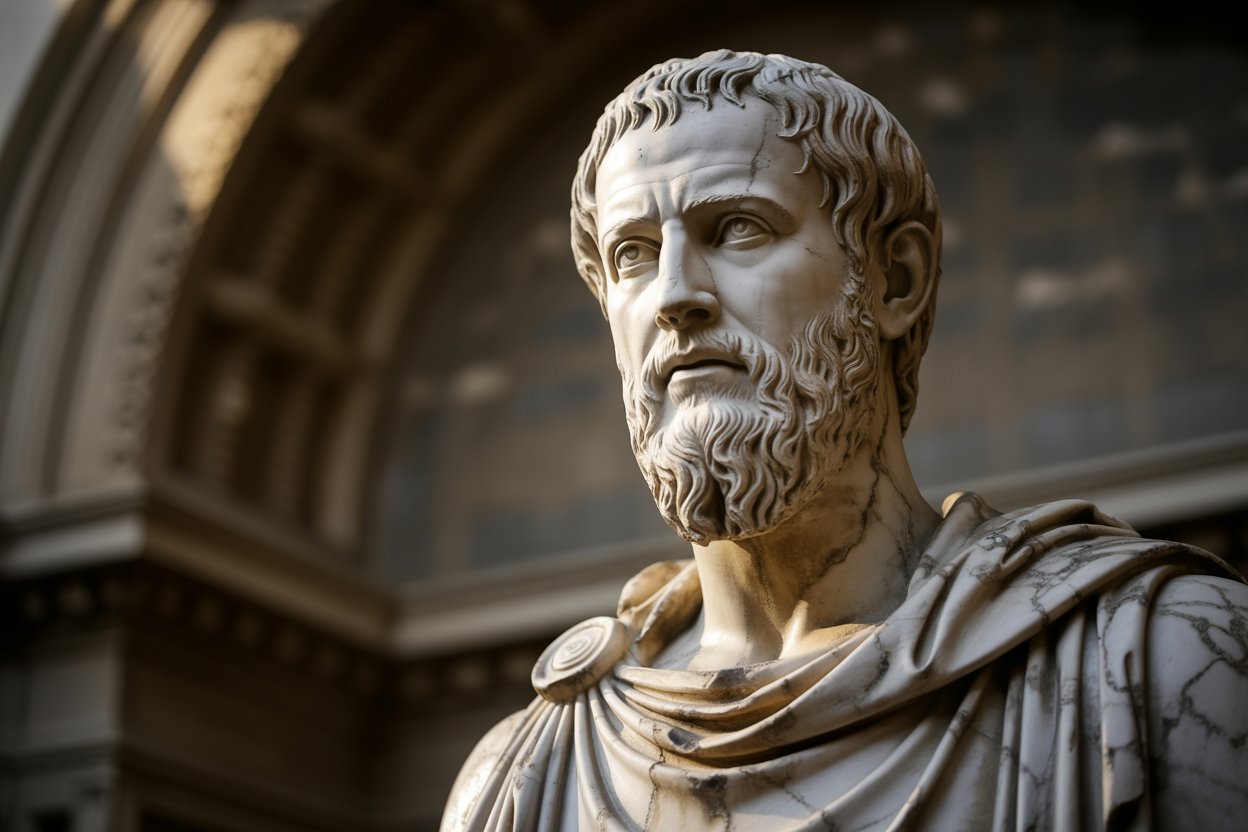
The ancient Stoics understood something most modern self-help books miss: real change doesn’t come from positive thinking or motivational speeches. It comes from confronting hard truths about control, responsibility, and mortality.
These ten Stoic quotes from Marcus Aurelius, Epictetus, and Seneca target the core issues that hold people back—anxiety about external events, avoidance of discomfort, fear of judgment, and the illusion that tomorrow is guaranteed.
1. “You have power over your mind, not outside events. Realize this, and you will find strength.” — Marcus Aurelius
Marcus Aurelius wrote this while governing the Roman Empire during a time of war, plague, and political chaos. Most anxiety stems from trying to manage things outside your influence: other people’s opinions, market fluctuations, traffic delays, and political outcomes.
When you internalize that your real power lies in your thoughts and actions, you stop wasting energy on external noise. This isn’t passivity—it’s strategic focus. You direct effort toward the one thing you actually control: your own mindset.
2. “It’s not what happens to you, but how you react to it that matters.” — Epictetus
Epictetus spent his early life as an owned servant before becoming one of history’s most influential philosophers. He taught how two people can experience the same job loss or health setback and emerge with entirely different outcomes based solely on their response.
The event itself is neutral. Your interpretation assigns the meaning. You can’t control what happens, but you can control whether you respond with panic or pragmatism, resentment or resilience.
3. “We suffer more often in imagination than in reality.” — Seneca
Seneca recognized that most suffering is self-inflicted through excessive and irrational thinking. You rehearse disasters that never materialize. You stress about conversations that never happen. The actual hardship—when it arrives—is usually less severe than the mental torment you inflicted on yourself beforehand.
Real problems require real solutions. Imaginary problems require recognition that you’re manufacturing your own misery. When you catch yourself spiraling into “what if” territory, bring yourself back to what actually exists right now.
4. “Waste no more time arguing about what a good man should be. Be one.” — Marcus Aurelius
Marcus Aurelius had little patience for philosophical posturing without action. The gap between who you claim to be and how you actually behave is where integrity dies.
If you value honesty, tell the truth even when it’s uncomfortable. If you value discipline, do the work even when you don’t feel like it. Theory is easy. Execution is hard. The world doesn’t need more people discussing virtue—it needs people demonstrating it through daily behavior.
5. “First say to yourself what you would be; and then do what you have to do.” — Epictetus
Epictetus understood that identity shapes behavior. If you see yourself as disciplined, you take disciplined actions. Most people reverse this process. They wait for behavior to create identity instead of using identity to drive behavior.
Define who you want to become with clarity, then align your actions accordingly. This isn’t about fake affirmations—it’s about conscious decision-making. You choose the identity, then do the uncomfortable work required to embody it.
6. “Luck is what happens when preparation meets opportunity.” — Seneca
Seneca dismantled the myth that success is random. The person who seems lucky in their career spent years building skills. The person who appears lucky in investments studied markets while others watched television.
Preparation creates readiness. Readiness enables you to capitalize on moments that others miss because they weren’t paying attention or lacked the foundation to act. Stop waiting for luck to find you. Build the skills and knowledge that make you ready when opportunity knocks.
7. “The impediment to action advances action. What stands in the way becomes the way.” — Marcus Aurelius
Marcus Aurelius reframed obstacles as opportunities. The thing blocking your path isn’t a detour—it’s the path itself. Budget constraints force creativity. Rejection builds resilience. Failure exposes weaknesses you can fix.
Every obstacle contains the seeds of progress if you’re willing to extract the lesson and adapt to it. This mindset transforms setbacks from problems into opportunities for growth and learning.
8. “If you want to improve, be content to be thought foolish and stupid.” — Epictetus
Epictetus understood that growth requires one to relinquish the ego. If you prioritize looking smart over getting better, you’ll stay mediocre. Real improvement means asking questions that expose your ignorance. It means attempting things you might fail at publicly.
Most people would rather protect their image than develop competence. If you’re willing to endure the temporary discomfort of looking foolish, you gain the permanent advantage of actually learning.
9. “He who fears death will never do anything worthy of a living man.” — Seneca
Seneca argued that fear of death—or failure, embarrassment, or loss—paralyzes you into mediocrity. If you’re constantly protecting yourself from risk, you’ll never take the actions that create meaningful results. Courage isn’t the absence of fear; it’s the ability to face it. It’s doing what matters despite fear.
Every significant achievement requires risking something: your reputation, your comfort, your current status. This doesn’t mean reckless behavior. It means calculated risk-taking in the service of meaningful goals.
10. “You could leave life right now. Let that determine what you do and say and think.” — Marcus Aurelius
Marcus Aurelius kept mortality at the forefront of his thinking. You don’t have unlimited time. This fact should inform every decision. Would you spend today arguing about trivial matters if you knew it was your last? Would you delay meaningful work or hold grudges?
Mortality clarifies priorities instantly. It exposes what actually matters and what you’re wasting energy on. When you internalize that time is finite, you stop postponing necessary actions and tolerating situations that diminish your life.
Conclusion
These ten quotes are effective because they address the root causes, not the symptoms. They don’t offer comfort or easy answers. They demand responsibility, action, and uncomfortable honesty.
The Stoics understood that genuine transformation arises from confronting harsh truths about control, discipline, and mortality. Apply these principles consistently, and they’ll reshape how you respond to adversity, make decisions, and spend your limited time.