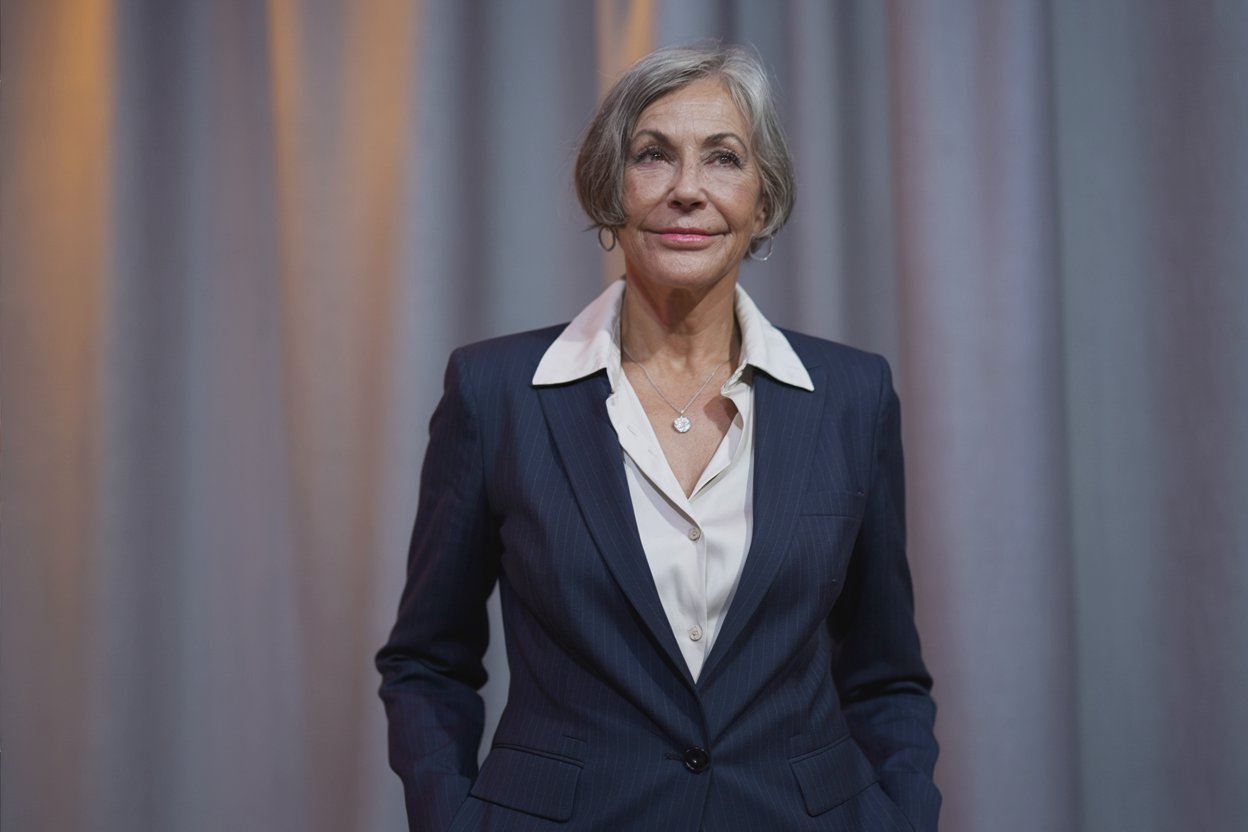
Alice Walton stands as America’s wealthiest woman in 2026 with a net worth of $119.8 billion, ranking as the 15th richest person globally. As the only daughter of Walmart founder Sam Walton, she inherited a fortune that most people can’t comprehend. Yet her approach to wealth sets her apart from typical billionaire narratives.
While her brothers Rob and Jim serve on Walmart’s board of directors, Alice chose a different path entirely. She has dedicated her life to art curation and philanthropy, building a legacy that extends far beyond retail empire management.
1. The Walmart Fortune and Family Legacy
Sam Walton built Walmart into the world’s largest retailer before he died in 1992. The fortune he created transferred to his children, making the Walton family one of the wealthiest in human history. Alice received her share of the inheritance, although she never pursued the corporate leadership roles her brothers took on.
The Walton wealth stems from Walmart stock holdings, which continue to be worth billions and pay a dividend. Unlike founders who actively manage their companies, Alice represents a second-generation wealth holder who chose to deploy capital toward cultural institutions rather than a new business’s operations.
2. Choosing Art Over Commerce
Alice Walton’s decision to focus on art rather than retail represents an uncommon choice among billionaire heirs. Most children of business titans either join the family enterprise or start their own companies. She rejected both paths, instead becoming one of America’s most significant art collectors and patrons.
Her focus on American art demonstrates a commitment to preserving cultural heritage explicitly. This choice reveals something important about wealth deployment. Money can chase more money through business ventures, or it can fund institutions that serve broader cultural purposes.
3. Crystal Bridges Museum of American Art
In 2011, Alice opened the Crystal Bridges Museum of American Art in Bentonville, Arkansas. The museum houses works by Andy Warhol, Norman Rockwell, and Mark Rothko, among other renowned American artists. Bentonville, the hometown of the Walton family, became an unlikely art destination through her vision.
The museum offers free admission, removing the financial barrier that prevents many Americans from accessing world-class art. This decision reflects a philosophy about the purpose of wealth. Rather than hoarding masterpieces in private collections, she made them accessible to the public.
The museum’s location in Arkansas, far from traditional art centers like New York or Los Angeles, was intentional. It brought cultural resources to a region often overlooked by coastal elites, demonstrating that great institutions can thrive outside major metropolitan areas.
4. The Medical School Initiative
In July 2025, Alice welcomed the inaugural class of 48 four-year MD students to the Alice L. Walton School of Medicine in Bentonville. This expansion from art into medical education marks a new chapter in her philanthropic strategy. The school represents a multi-generational investment in healthcare education and regional medical infrastructure.
Medical schools require enormous capital commitments with uncertain financial returns. Unlike business ventures that generate profits, they consume resources while producing doctors who will serve communities for decades to come. This long-term thinking characterizes how generational wealth can fund institutions that benefit society beyond immediate financial metrics.
The school’s presence in Bentonville continues its pattern of bringing elite institutions to unexpected locations. It challenges assumptions about where world-class educational facilities can be located.
5. A Different Approach to Billionaire Wealth
Alice Walton’s path contrasts sharply with that of tech billionaires who seek to disrupt industries or expand their business empires. She inherited wealth rather than creating it, which fundamentally shapes her relationship with money. Her choices reflect someone who doesn’t need to prove business acumen or chase additional billions.
This inherited wealth allows for patience and institution-building that entrepreneurs often can’t prioritize. When you don’t need to generate returns to satisfy investors or validate your success, you can fund projects that mature over decades. Museums and medical schools don’t deliver quarterly earnings reports.
Her approach also avoids the spotlight that many billionaires seek. While tech founders cultivate public personas and share their business philosophies, Alice largely stays out of the media spotlight. Her institutions speak louder than personal branding.
6. Regional Impact and Economic Development
The presence of Crystal Bridges and the medical school transformed Bentonville’s cultural and economic landscape. What began as just the town with Walmart’s headquarters evolved into a destination for art enthusiasts and medical students. This demonstrates how concentrated wealth deployment can reshape entire regions.
The economic multiplier effects extend beyond the institutions themselves. Restaurants, hotels, and service businesses grow to support visitors and students. Faculty members and museum staff bring educated professionals to the area. Property values shift as the region’s cultural capital increases.
This regional transformation offers lessons about wealth’s capacity to create opportunity beyond direct employment. Rather than opening another business that might compete with existing enterprises, cultural and educational institutions add entirely new dimensions to local economies.
7. Lessons About Wealth and Legacy
Alice Walton’s choices reveal that extreme wealth opens options unavailable to those pursuing financial security. She can fund passion projects without concern for profitability because her wealth generates more money than she can spend in a lifetime. This reality separates billionaire decision-making from the standard financial logic of even millionaires.
Her focus on art and medicine rather than wealth accumulation demonstrates that beyond a certain point, money becomes a tool for shaping culture and institutions. The question shifts from “how do I make more” to “what should this capital create?” Not everyone with wealth makes this shift, but those who do can fund ventures that outlive them.
The institutions she built will serve communities long after she’s gone. Museums preserve art for centuries. Medical schools train doctors across generations. This long-term thinking represents wealth’s highest purpose when divorced from personal consumption or legacy marketing.
Conclusion
Alice Walton’s $119.8 billion net worth makes her America’s richest woman, but her significance extends beyond wealth rankings. Her commitment to art accessibility through Crystal Bridges and medical education through her new school demonstrates how inherited fortune can fund cultural institutions that serve public purposes.
While her brothers manage the family business empire, she chose to curate American art and invest in healthcare education. Her path offers a counterpoint to the narrative that all billionaires must constantly pursue growth and expansion.
Sometimes wealth’s purpose is preserving culture, educating doctors, and bringing world-class institutions to unexpected places. Bentonville, Arkansas, stands as proof that vision backed by capital can transform communities in ways that pure business ventures can’t match.