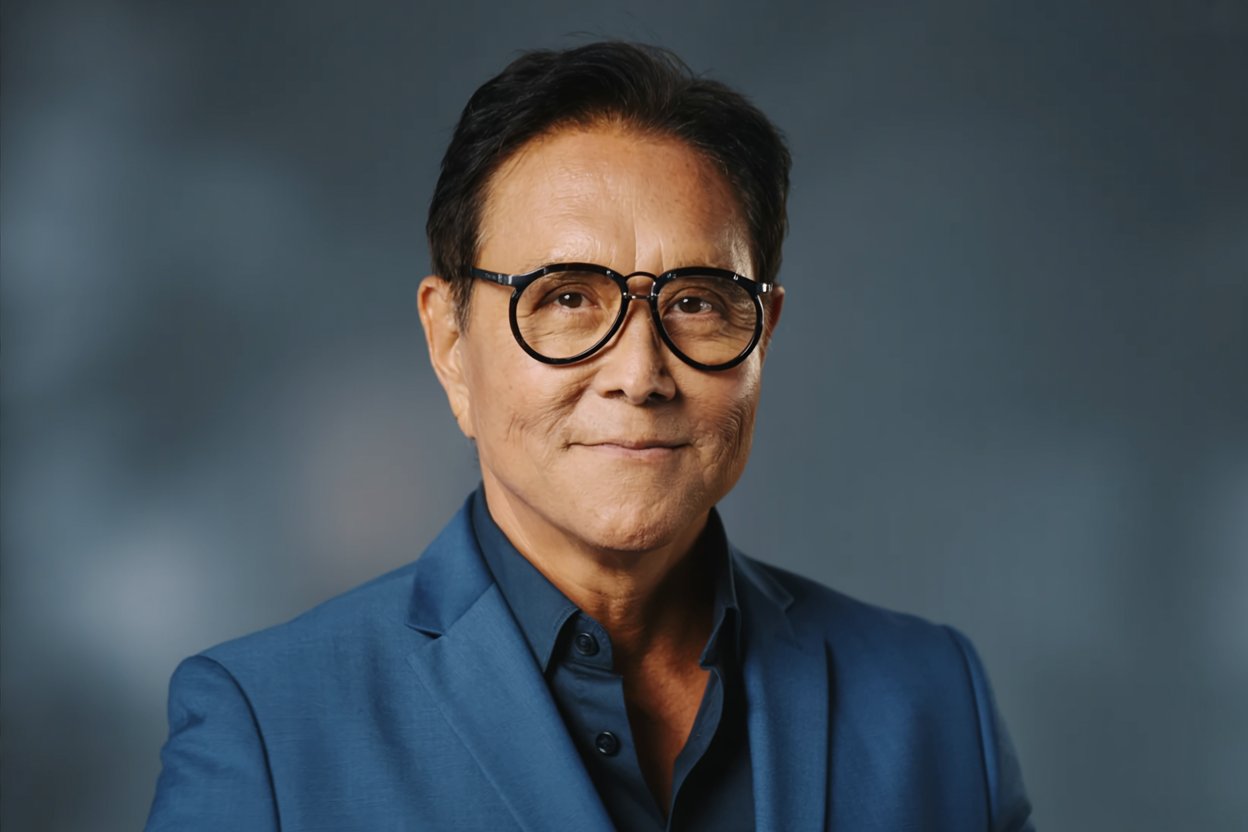
Robert Kiyosaki has transformed the way millions of people think about money through his bestselling book, Rich Dad Poor Dad, and his decades of financial education. His core philosophy centers on a simple but powerful distinction: assets put money in your pocket while liabilities take money out.
This framework challenges the conventional middle-class approach to wealth building and offers a roadmap for creating genuine financial freedom.
Kiyosaki’s teaching emphasizes cash flow over appreciation or speculation. He advocates building streams of passive income that work independently of your time and labor. The goal is financial independence through assets that generate a monthly income, whether you are present at work or not.
1. Rental Real Estate
Rental property stands as Kiyosaki’s favorite passive income asset and the foundation of his personal wealth-building strategy. He consistently emphasizes the unique advantages of real estate over other investment vehicles. The ability to use financing means investors can control valuable assets with relatively small down payments.
Kiyosaki teaches that successful rental investing requires buying properties that generate positive cash flow after all expenses are accounted for. This includes mortgage payments, property taxes, insurance, maintenance, and vacancy reserves. He warns against speculating on appreciation and instead advocates for deals that work based solely on rental income.
The tax advantages of real estate provide another compelling benefit. Depreciation deductions can offset rental income while the property’s value potentially appreciates. Real estate also serves as an inflation hedge, as rents typically rise in line with inflation, while fixed-rate mortgage payments remain constant. These combined factors make rental property a cornerstone of Kiyosaki’s wealth-building philosophy.
2. Businesses That Run Without You
Kiyosaki draws a sharp distinction between being self-employed and being a business owner. Self-employment means trading time for money in your own venture. Actual business ownership means building systems that generate profit whether you’re actively involved or not.
He defines a legitimate business as one that operates independently of the owner’s daily presence. This concept comes directly from his Cashflow Quadrant framework, which categorizes income sources into four types: employee, self-employed, business owner, and investor. Only business owners and investors achieve genuine passive income.
Franchises represent one path to system-based businesses since they come with proven processes and established brand recognition. Online companies offer another avenue, particularly those built on automated sales funnels and digital products.
Service companies with strong management teams can also run independently. The key is creating or acquiring businesses where your role shifts from operator to strategist, while profit distributions continue to flow.
3. Dividend-Paying Stocks and ETFs
While Kiyosaki made his fortune primarily through real estate and business, he recognizes dividend stocks as valuable assets that generate passive income. He categorizes these as “paper assets” that provide regular income through quarterly distributions. The key is focusing on dividend yield rather than price appreciation.
Dividend stocks offer several advantages that align with Kiyosaki’s cash flow philosophy. They provide liquidity that real estate can’t match, allowing investors to access capital quickly if needed. They scale easily since buying additional shares requires no management responsibilities. They also offer potential for compound growth as dividends get reinvested.
Kiyosaki cautions against growth stock speculation and instead advocates for established companies with consistent dividend histories. Blue-chip corporations and dividend-focused ETFs can offer a reliable source of quarterly income. This approach treats the stock market as an income-generating tool rather than a gambling venue. The emphasis remains on cash flow first, with appreciation as a secondary benefit.
4. Royalties and Intellectual Property
Intellectual property represents what Kiyosaki calls the ultimate passive income because you create it once and potentially earn from it indefinitely. His own wealth includes substantial royalty income from books, board games, educational courses, and licensed products. This asset class requires upfront creative effort but can generate income for years or decades.
Books provide the most accessible entry point for most people to create intellectual property. Once published, a book can sell copies and generate royalties without additional work from the author. Online courses have become a powerful wealth-building tool, enabling experts to package their knowledge into digital products that sell repeatedly.
Licensing agreements represent another powerful application of intellectual property. Creating a system, process, or brand that others pay to use can generate ongoing royalty income. Digital products, such as software, apps, or creative content, can scale infinitely without incurring manufacturing costs. The initial work is substantial, but the ongoing income potential makes intellectual property one of Kiyosaki’s favored passive income streams.
5. Notes and Private Lending
Kiyosaki teaches the importance of being the bank rather than just the borrower. Private lending allows individuals to earn interest income by providing capital to borrowers and securing the loans with collateral. This creates a predictable monthly cash flow without active management responsibilities.
Real estate notes represent the most common form of private lending in Kiyosaki’s teaching. An investor might sell a property using seller financing, collecting monthly principal and interest payments from the buyer. Alternatively, investors can purchase existing notes at a discount and collect the fees.
Private business loans offer another avenue for earning interest income. Lending to small businesses or entrepreneurs at negotiated interest rates can produce higher yields than traditional bank accounts or bonds. The risk increases with higher rates, which is why securing loans with collateral is essential. This asset class requires due diligence but can provide substantial passive income once properly structured.
Conclusion
Kiyosaki’s approach to passive income contradicts mainstream financial advice in one crucial way. He famously declares that your personal residence is not an asset because it takes money out of your pocket rather than putting money in. This definition prompts a mental shift from viewing assets based on their value to viewing them based on their cash flow.
The five passive income assets outlined here share a common characteristic. They all generate monthly or quarterly income without requiring your active participation. Rental real estate provides a steady stream of monthly rent checks. Businesses produce profit distributions. Dividend stocks deliver quarterly payments. Royalties create ongoing income from past creative work. Notes generate interest payments.
Kiyosaki’s philosophy for 2026 remains unchanged from his original teachings because the principles of cash flow and financial independence are timeless, unaffected by market conditions. Building wealth requires accumulating assets that generate income for you, rather than working indefinitely for wages. The goal is to replace active income with passive income until your assets cover all living expenses. That’s when true financial freedom begins.