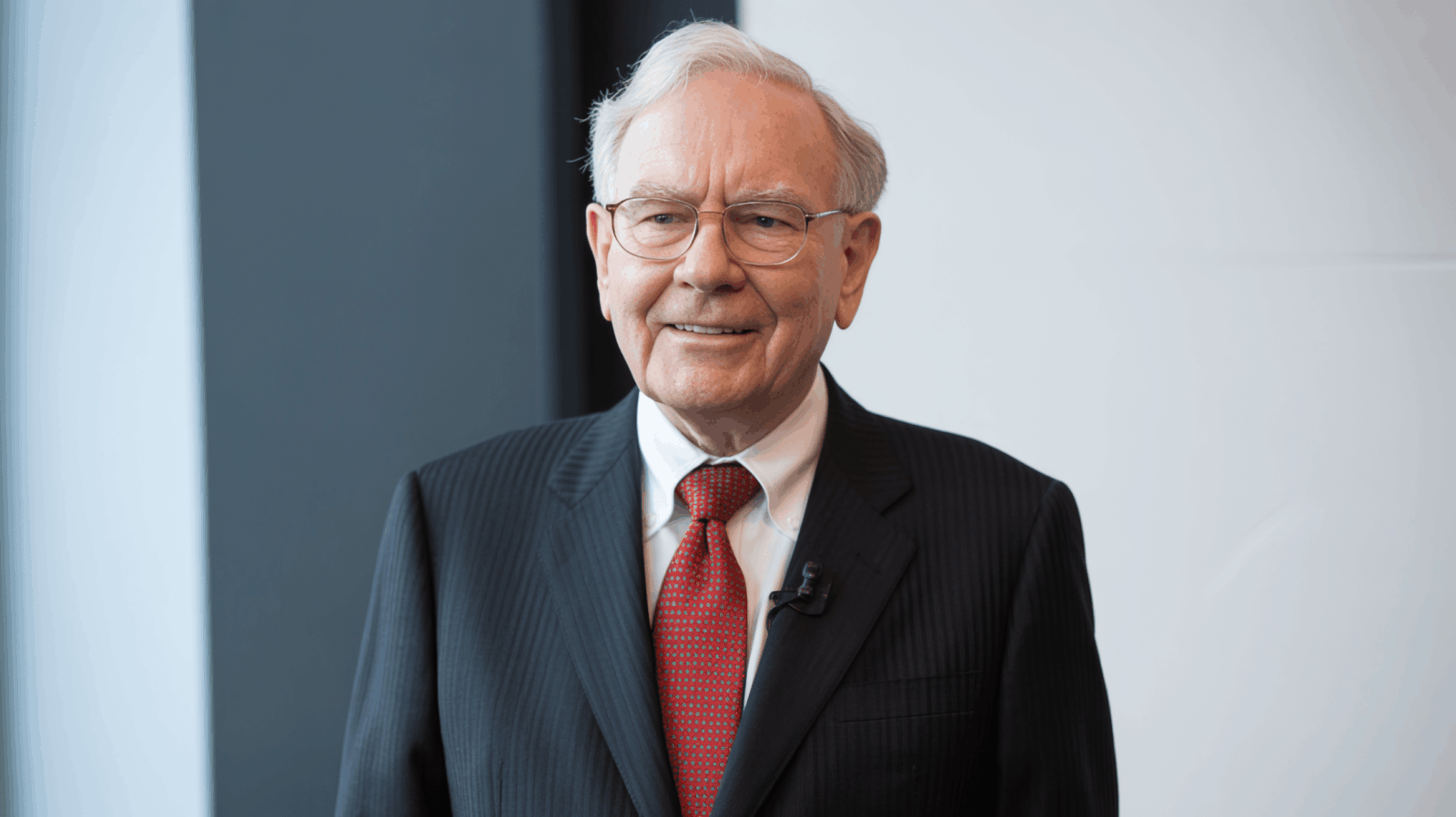
Warren Buffett has spent decades building one of the largest fortunes in modern history, yet his most valuable advice often has nothing to do with stocks or market timing. At 95 years old, the Oracle of Omaha has shared candid thoughts on what actually creates a satisfying life as the years pile up, and his conclusions rarely involve wealth.
His philosophy is surprisingly simple. Happiness in later years rarely comes from adding more achievements, possessions, or applause to your life. It comes from subtracting the behaviors that quietly drain your energy, damage your character, and distract you from what truly matters most in the end. Let’s look at the five things to say goodbye to if you really want to be happy as you get older.
1. Saying Yes to Everything
One of Buffett’s most repeated observations involves the quiet power of refusal and setting boundaries on your time. He once remarked, “The difference between successful people and really successful people is that really successful people say no to almost everything.”
Middle-aged and older adults often discover that agreeing to every request, meeting, and social obligation leaves them chronically exhausted and quietly resentful. Buffett protects his calendar with unusual discipline, leaving it mostly empty so he has the mental space to read, think deeply, and focus on the handful of things that genuinely matter to him.
Breaking the habit of automatic yes responses frees you to invest your remaining energy in the relationships and work that bring real meaning to your days. Those who master this practice tend to arrive at later life with more peace, more presence, and far fewer regrets about how they spent their limited hours on earth.
2. Living by an External Scorecard
Buffett credits his father with teaching him to ignore the crowd’s applause and to trust his own judgment instead. He once described the choice everyone eventually faces this way: “The big question about how people behave is whether they’ve got an Inner Scorecard or an Outer Scorecard. It helps if you can be satisfied with an Inner Scorecard.”
Those who live by the outer scorecard chase approval, status symbols, and the envy of their neighbors year after year. They can’t ever fully enjoy their own achievements because they’re always measuring themselves against someone else’s highlight reel, which grows louder and more distorted in the age of social media.
Dropping this habit becomes essential as you age into your later decades. The people who reach their seventies and eighties with genuine contentment are almost always those who stopped performing for an audience long ago and started living in quiet alignment with their own deepest values.
3. Surrounding Yourself with the Wrong People
Buffett believes the company you keep shapes who you become more than almost any other single factor in your life. He has often advised, “It’s better to hang out with people better than you. Pick out associates whose behavior is better than yours, and you’ll drift in that direction.”
Toxic relationships, chronic complainers, and old friends who pull you back into destructive patterns can’t be carried into your later years without real consequence. They slowly drain your time, erode your standards, and shape your daily outlook in ways you often don’t notice until significant damage is already done.
The happier path involves an honest audit of who you spend your time with and why you keep showing up. You can’t always control every relationship in your life, but you can choose to invest more of your hours with people who make you sharper, kinder, more curious, and more grateful for what you already have.
4. Treating Your Reputation Carelessly
Buffett has built his entire career on trust, and he views personal character as the ultimate long-term asset anyone can own. His most quoted warning on this subject is direct and sobering: “It takes 20 years to build a reputation and five minutes to ruin it. If you think about that, you’ll do things differently.”
Cutting corners, telling small lies, and bending your principles for short-term gain might feel harmless enough in the moment. Those small compromises accumulate quietly over the years, and they often catch up with people precisely when they most need their good name intact and respected by others.
Older adults who’ve lived their lives with integrity describe a kind of freedom that money can’t buy. They sleep well at night, face their own reflection without shame in the mirror, and move through the world with the quiet confidence that comes from knowing their word still carries real weight.
5. Measuring Success by the Wrong Things
Buffett is worth a fortune, yet he argues forcefully that money isn’t the metric that matters most at the end of your journey. His most revealing quote on later-life happiness goes straight to the heart of the issue: “When you get to my age, you’ll measure your success in life by how many of the people you want to have love you actually do love you.”
Careers eventually end, markets will always rise and fall, and material possessions lose their shine over time. The people who love you and choose to stay close as you age into your later years represent a form of wealth that no balance sheet can ever capture or accurately replicate.
Letting go of net worth, job titles, and public recognition as your primary scoreboard is one of the hardest internal shifts anyone ever makes in a lifetime. Those who manage to do it in time discover that deep relationships are the only form of wealth that reliably compounds into a genuinely contented old age.
Conclusion
Buffett’s philosophy on happiness isn’t complicated to grasp, but it does require real discipline and consistent daily practice to live out. Saying no more often, ignoring the outer scorecard, curating your closest relationships, guarding your reputation, and redefining what true success really means all work together to shape a life genuinely worth living.
The behaviors worth leaving behind are those that loudly promise happiness but quietly deliver exhaustion and regret. Trade them for the habits Buffett has modeled for decades, and you give yourself the best possible chance of arriving at old age surrounded by people who love you, with a clear conscience and lasting peace of mind.