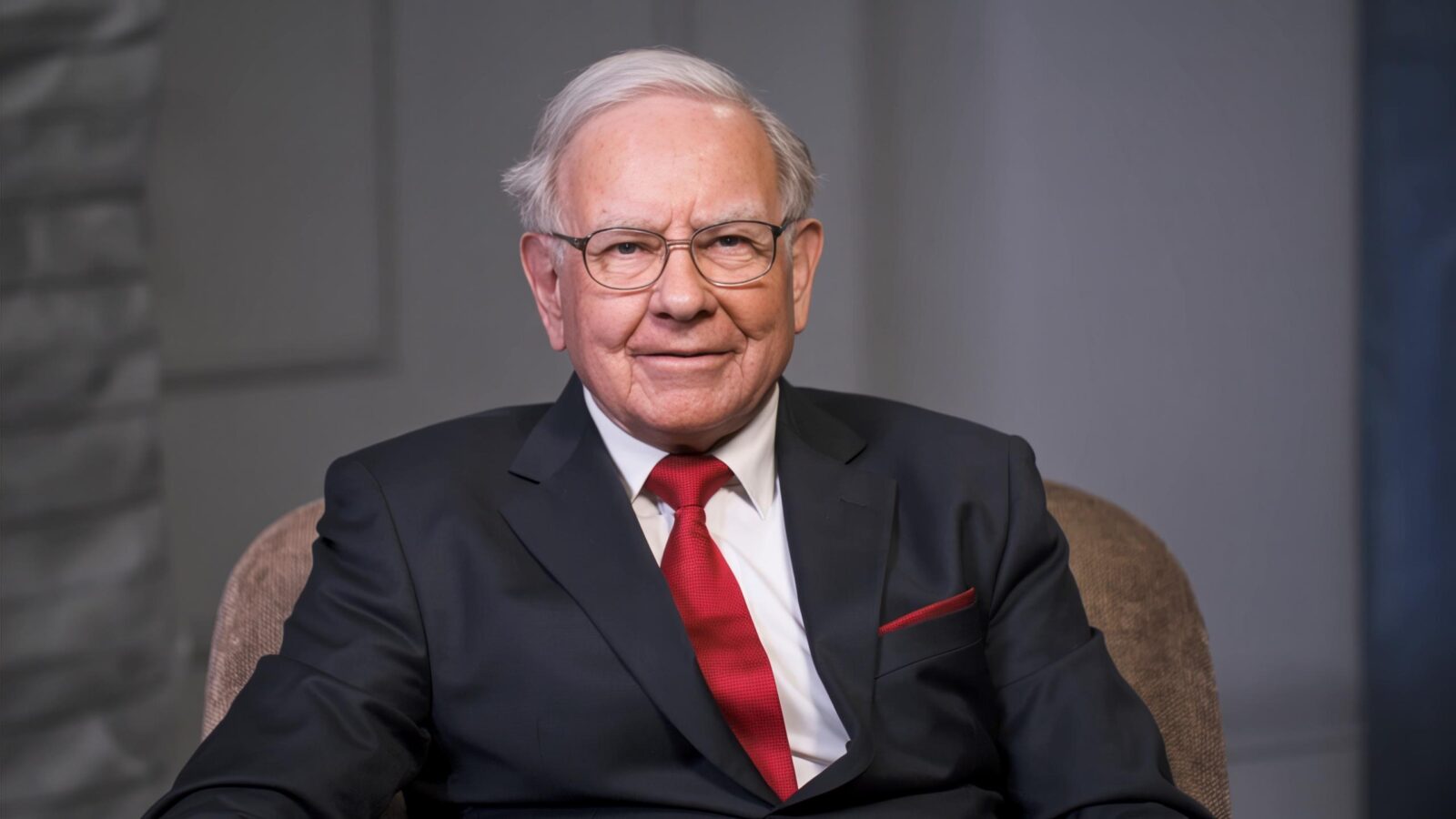
Warren Buffett didn’t become one of the richest men alive by chasing trends. He built his first fortune by avoiding the small leaks that drain most people’s bank accounts year after year. One crazy example is that even as a centi-billionaire and one of the richest people in the world, he still lives in the same Omaha house he bought in 1958.
He still drives older cars instead of trading up every season. A lot of his habits look almost stubborn from the outside, until you see what they add up to over four decades.
Buffett rarely talks about “working class” or “middle class” by name. He talks about traps that catch nearly everyone, no matter what they earn.
Based on his letters, his interviews, and decades of shareholder meetings, here are five things he warns people to avoid wasting their money on. Some of these will sound familiar. A few might sting a little.
1. High-Interest Debt (Especially Credit Cards)
Buffett has spent years warning that paying interest to someone else is one of the fastest ways to stay stuck. He sees borrowed money used to fund a lifestyle as a trap that’s easy to fall into.
It’s much harder to climb back out of. He’s blunt about this in a way that surprises people who expect polite hedging from a man worth over $145 billion dollars.
“I’ve seen more people fail because of liquor and leverage, leverage being borrowed money.”…”If I borrowed money at 18% or 20%, I’d be broke.” – Warren Buffett.
Credit card rates today often sit above that range. Most people don’t think of their card balance as leverage. It is leverage, and it works against the borrower the same way it would against a company that overextended itself with debt.
Every dollar paid in interest is a dollar that can’t grow, invest, or compound. That’s the part Buffett keeps circling back to. Money has to be somewhere, and interest payments send it somewhere that never comes back.
2. Brand-New Cars
Buffett has long pushed buying used vehicles instead of new ones. He points to how fast a new car loses value the moment it leaves the lot. A new vehicle can lose a large chunk of its value in the first year alone. Buffett treats that drop as a loss that didn’t need to happen.
He only upgrades his own car every few years. Usually, it’s after his daughter tells him the current one has started to look a little embarrassing for a man in his position.
The lesson here isn’t that nice cars are wrong or that everyone should drive a ten-year-old used car. It’s that paying full price for something that loses value the second you drive it home rarely makes sense, especially when a one- or two-year-old version of the same car can be had for far less.
3. Gambling
Buffett views gambling as a system built to take money from people who are looking for a fast fix to their financial problems. He’s called it a tax that lands hardest on those who can least afford it.
That framing matters. A tax sounds unavoidable. Buffett’s point is that this one is avoidable, and the people running the system count on you forgetting that.
“I’m not a prude about it, but to quite an extent, gambling is a tax on ignorance. You just put it in, and guys like me don’t pay the taxes — it relieves taxes on those who don’t gamble. I find it socially revolting when a government preys on its citizens rather than serving them. A government shouldn’t make it easy for people to take their social security checks and [waste them pulling] a handle.” – Warren Buffett.
His concern isn’t limited to slot machines or scratch tickets. It’s the broader pattern of chasing a quick win instead of building wealth the slow, unglamorous way that actually works.
4. Paying Full Price and Ignoring Value
Buffett often points out that people throw away large sums of money by failing to look for value. Buying things to keep up appearances is one of his recurring warnings.
He gives much of the credit for this lesson to his mentor, Benjamin Graham. Graham taught him to separate the sticker price from a thing’s actual worth.
“Price is what you pay. Value is what you get. Whether we’re talking about socks or stocks, I like buying quality merchandise when it is marked down.” Warren Buffett is building on a principle from Ben Graham.
This idea reaches far past investing. It applies to groceries, clothes, furniture, and almost anything bought without ever asking whether the price matches the value.
Plenty of people pay retail on autopilot. They’ve never once compared what something costs against what it’s actually worth to them.
5. Unused Wants and Lifestyle Inflation
People often mix up a higher cost of living with a higher standard of living. Buffett warns that buying things to impress other people is one of the quietest ways wealth slips away.
He’s long advised automating savings first, rather than saving whatever’s left over at the end of the month. Most people do it backward without realizing it.
“Do not save what is left after spending. Instead, spend what is left after saving.” – Warren Buffett.
This one habit shift can change a person’s entire financial path over time. It forces saving to come first instead of being whatever scraps survive the month.
Lifestyle inflation is sneaky because it never feels like a decision. A bigger paycheck arrives, and the spending rises to meet it, usually before the person has stopped to ask whether any of it makes them happier.
Conclusion
Buffett’s biggest warning isn’t really about any single purchase. It’s about the failure to invest in yourself along the way.
He’s said for decades that upgrading your own skills, your knowledge, and your health is the single best investment a person can make. That return can’t be taxed away from you, and nobody can steal it either.
Avoiding high-interest debt matters. So does skipping the new-car markup, avoiding gambling, hunting for real value, and keeping lifestyle creep in check.
But Buffett’s deeper point is that discipline becomes a daily habit rather than an occasional effort someone makes once and forgets. Small choices compound the same way investments do, for better or worse.
The people who grasp that distinction tend to end up somewhere very different from those who don’t. Buffett didn’t get rich through a single brilliant move. He got rich by avoiding the small leaks long enough for the math to take over.