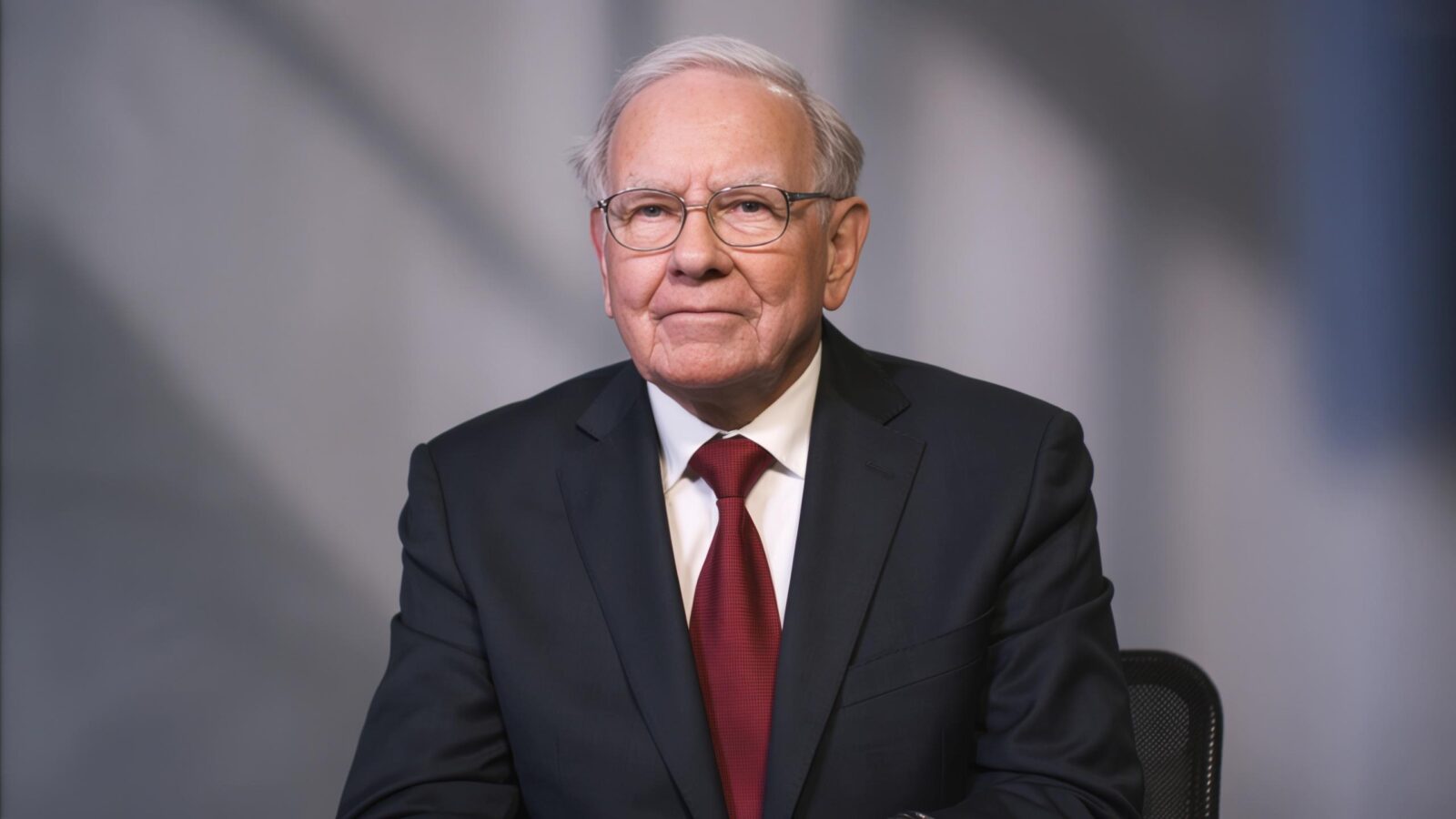
Warren Buffett built one of the largest fortunes in history without ever chasing a flashy lifestyle. He still lives in the same house in Omaha that he bought decades ago. He always treated every dollar as a decision with consequences that stretch years into the future, not just a transaction that ends when something is purchased, because that money could have been invested to compound.
His advice on spending was never aimed at one income bracket over another. Middle-class families tend to gain the most from it anyway, because a small leak sinks a modest budget faster than it sinks a large one.
Five habits stand out from things Buffett has said publicly over the years, each tied to a specific purchase category. Here they are, in his own words.
1. Stop Buying “Things You Do Not Need” (Impulse Buys)
“If you buy things you do not need, soon you will have to sell things you need.” Warren Buffett said that, and the line does most of the work on its own. Every unnecessary purchase today shrinks the options available tomorrow, even when the price tag looks small in the moment.
Buffett’s warning is about opportunity cost more than frugality for its own sake. A dollar spent on something with no lasting value can’t be saved, invested, or cover a real need six months from now. Push that far enough, and a household starts selling assets or borrowing to cover things it once took for granted.
The pattern is rarely noticeable unless you really focus on every line of your household budget. A subscription here. A gadget there. A closet full of clothes that never leave their hangers. None of it shows up as a single alarming charge, which is exactly why Buffett’s advice applies as much to five-dollar purchases as it does to five-hundred-dollar ones. Small purchases drain the same pool of money as large ones. They do it slower.
2. Stop Buying Things with Credit Cards (High-Interest Debt)
Buffett has been direct about how he personally handles credit cards. “I’ve got an American Express card, which I got in 1964. But I pay cash 98% of the time,” he once said. The card is there for convenience. It’s not a financing tool for purchases he can’t otherwise afford.
He has also laid out the math behind why revolving debt is such a trap. “If I borrowed money at 18% or 20%, I’d be broke… You can’t go through life borrowing money at those rates and be better off,” Buffett has said. Interest at that level compounds against the borrower rather than for them, which sits at odds with everything Buffett has built his own fortune on.
Credit cards themselves aren’t the villain in this story. Carrying a balance is. A rate near twenty percent outruns almost any investment return a household could realistically earn, so a family that pays its balance in full every month keeps the convenience and skips the cost. That distinction, paying it off versus letting it ride, is the one Buffett draws in his own life, and the one middle-class households can borrow directly.
3. Stop Buying Brand-New Cars
A new car loses a large share of its value the moment it leaves the lot. Buffett has arranged his own habits around avoiding that loss entirely. “The truth is, I only drive about 3,500 miles a year so that I will buy a new car very infrequently,” he has said.
He has favored modest, pre-owned vehicles for years, rather than trading up on a schedule. A vehicle, in his view, is transportation first. Using them as status symbols shouldn’t factor in at all, and treating a car that way frees up money that would otherwise disappear straight into depreciation.
Nobody needs to drive the same car for a decade to benefit from this thinking. Even stretching a purchase by two or three years beyond the average trade-in cycle keeps thousands of dollars out of a depreciation curve that hits hardest in a car’s first few years on the road.
4. Stop Buying Lottery Tickets and Gambling Products
Buffett views lottery tickets and casino games as bets stacked heavily against the buyer. “The propensity to gamble is always increased by a large prize versus a small entry fee, no matter how poor the true odds may be. That’s why Las Vegas casinos have slot machines with multi-million-dollar jackpots, and why state lotteries flourish,” he has said. A dollar ticket promising a life-changing jackpot feels harmless. The odds behind it rarely get the same attention as the prize on the billboard.
He has gone further in describing who actually foots the bill. “To quite an extent, gambling is a tax on ignorance… A government shouldn’t make it easy for people to take their Social Security checks and waste them pulling a handle,” Buffett has said. The people least able to absorb a loss are often the ones pulled in hardest by the promise of a win.
Buffett’s own approach to risk depends on odds he can actually calculate, whether he’s pricing a stock or sizing up a whole business. A lottery ticket offers long-shot odds with a negative long-term expectancy. Treating one as an investment plan, or worse, a retirement strategy, guarantees a loss over time that few other purchases can match.
5. Stop Buying Low-Quality, “Cheap” Goods
Buffett draws a sharp line between price and value, and he applies that thinking to every consumer purchase and investment. “Price is what you pay. Value is what you get,” he has said. A cheap product that breaks within a year and needs to be replaced twice usually ends up costing more than a durable one bought once.
He has tied the idea directly to everyday shopping. “Whether we’re talking about socks or stocks, I like buying quality merchandise when it is marked down,” Buffett has said. The goal isn’t spending more for its own sake. It’s paying a fair price for something well-made instead of paying a low price for something that only looks like a bargain until it falls apart or drops sharply in price.
Conclusion
None of these five habits requires a large income to change. That’s exactly why they matter so much for middle-class households, working on a tighter safety margin than the wealthy ever have to.
Cutting unnecessary purchases, paying cash instead of carrying a balance, holding onto a car a few years longer, skipping the lottery counter, and choosing durable goods over cheap ones are all decisions open to nearly anyone, regardless of their income.
Buffett didn’t build his fortune on one brilliant investment. He built it on decades of small, disciplined choices repeated often enough to compound, and his spending habits track the same patience he brought to his portfolio. A family that picks up even two or three of these habits will likely feel the difference inside a year. Then financial success tends to follow on its own.