Personal growth is often confused with public success. More money, praise, influence, or possessions may improve certain parts of your life, yet none of them settles the question of character.
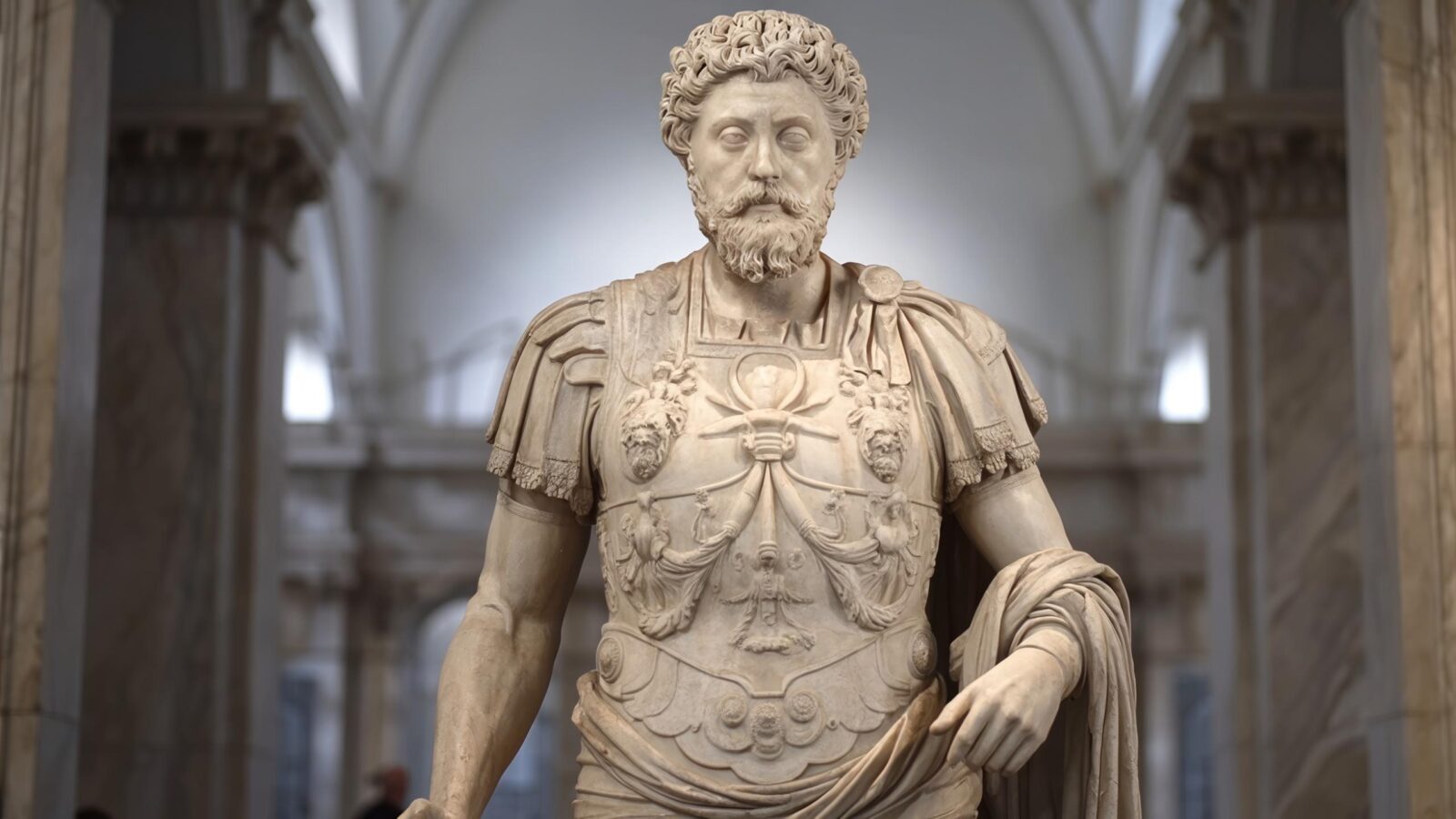
Marcus Aurelius looked inward for a better standard. The Roman emperor wrote in Meditations about self-command, sound judgment, duty, and the daily work of becoming a decent person.
For the Stoics, a good life came from moral excellence, often called arete. It showed up in the way a person dealt with pressure, disappointment, temptation, and other people.
That kind of development rarely makes much noise. It appears in small decisions made when nobody is watching and when there is little credit to gain. Here are 5 signs you’re developing into the best version of yourself based on Marcus Aurelius’ standards.
1. You Stop Explaining Your Character and Let Your Conduct Speak
“Waste no more time in arguing about what a good man should be. Be one.” – Marcus Aurelius, Meditations, Book 10, 16
People who are serious about improving themselves usually spend less time presenting an image. They do not need every conversation to establish how disciplined, honest, productive, or insightful they are.
Marcus Aurelius had little patience for moral theater. He cared about whether a person did the right thing when it was inconvenient, private, or likely to pass unnoticed.
This can be seen in ordinary behavior. You keep your word, complete the work in front of you, pay attention to your responsibilities, and treat people with basic fairness.
Your values become visible through repetition. There is less pressure to defend your intentions because your habits offer a clearer account of who you are. That does not mean you never talk about what matters to you. It means the words come after the conduct, not in place of it.
2. You Stop Giving Every External Event Control Over Your Mood
“The universe is transformation: life is opinion.” – Marcus Aurelius, Meditations, Book 4, 3
Disappointments still hurt when you are growing. A lost opportunity, criticism, a financial setback, or a broken plan can bring real frustration, and no amount of philosophy makes those experiences pleasant.
The change is in what happens next. You become better at separating the event itself from the extra suffering caused by panic, resentment, and worst-case-scenario assumptions.
A delay does not have to become a verdict on your future. A rude comment does not have to become evidence that you are worthless or that the entire day has been ruined. This is not denial. It is a refusal to hand over your peace to every person, circumstance, and opinion that crosses your path.
You begin putting your energy into the areas you have the most control over. Your effort, attitude, preparation, and next decision remain yours even when the outcome does not.
3. You Handle Conflict Without Becoming Like the Person Who Wronged You
“The best way of avenging thyself is not to become like the wrongdoer.” – Marcus Aurelius, Meditations, Book 6, 6
Conflict tests a person’s character quickly. It is easy to answer contempt with contempt, gossip with gossip, or hostility with a response meant to wound. Marcus Aurelius understood that retaliation can feel justified. He also knew that anger often makes us behave in ways we would condemn in someone else.
Calmness does not require passivity. You can state a boundary, end a damaging relationship, report misconduct, or say plainly that a line has been crossed. The difference lies in your purpose. You are acting to protect your personal standards and well-being, rather than trying to inflict the same pain on another person.
With time, you may find that many conflicts no longer deserve a large share of your attention. Some people are committed to misunderstanding, and chasing their approval only extends the problem.
4. You Use Difficulty as a Place to Practice Strength
“The blazing fire makes flame and brightness out of everything that is thrown into it.” – Marcus Aurelius, Meditations, Book 7, 32
Hardship can expose weak spots in your life. It can also give you a chance to develop patience, courage, flexibility, and the ability to keep moving when conditions are far from ideal.
A setback is not automatically beneficial. Losing something important, failing at a goal, or facing a painful change can be grim, and there is no value in pretending otherwise.
Still, you can decide what the experience asks of you. A rejection may call for better preparation, a business problem may call for a better plan, and a personal loss may call for endurance.
This way of thinking changes your relationship with obstacles. Instead of treating every difficult moment as proof that you should quit, you look for the useful action available now. The situation may remain hard for a while. Your response can still become stronger, steadier, and more practical because of it.
5. You Care More About Being Accurate Than Looking Right
“If any man is able to convince me and show me that I do not think or act right, I will gladly change; for I seek the truth by which no man was ever injured.” – Marcus Aurelius, Meditations, Book 6, 21
Few things reveal maturity more clearly than the ability to admit an error. Defensiveness is tempting because being wrong can feel embarrassing, especially when pride or reputation is involved.
Marcus Aurelius treated correction as useful when it brought him closer to the truth. He was not asking people to accept every criticism blindly, since some advice is careless or self-serving.
He was asking for intellectual honesty. When better evidence or sound reasoning shows that your position is mistaken, changing your mind is a strength. This applies to work, relationships, money, and personal beliefs. A bad decision does less damage when you face it early and adjust before it becomes a habit.
You become harder to mislead when your ego is no longer in charge of every conclusion. Honest self-correction may sting, yet it can save years of wasted effort.
Conclusion
The best version of yourself is not a finished destination. It is the person shaped by repeated choices to act with discipline, stay calm under pressure, and face reality without hiding from it.
Marcus Aurelius offers a demanding standard because it puts responsibility close to home. You may not control what happens around you, yet you can keep working on the character you bring to it.
That work is often quiet and sometimes uncomfortable. Each honest correction, restrained reaction, and useful response to difficulty moves you closer to the person you intend to become.