Self-discipline is easy to praise and hard to practice. It gets tested when you are tired, tempted, irritated, behind schedule, or facing work you would rather avoid.
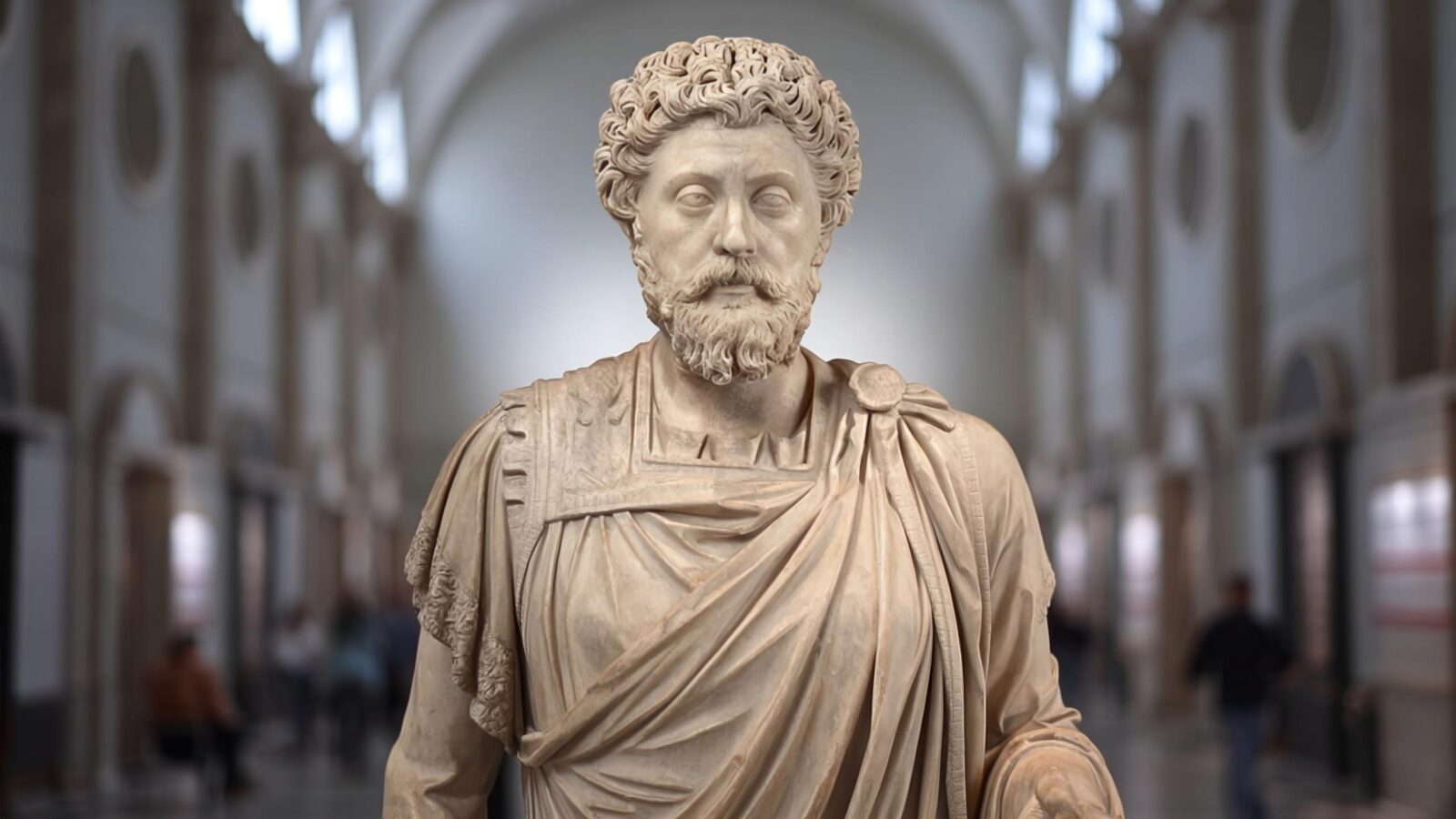
Marcus Aurelius dealt with pressure that few people will ever face. He ruled the Roman Empire through war, political conflict, sickness, and personal loss, yet his private notes kept returning to the same subject: governing his own conduct. His reflections in Meditations offer practical rules for anyone who wants to become more dependable.
1. Control Your Internal Perception
“Thou hast power over thy mind, not over external things. Know this, and thou wilt find strength.” Marcus Aurelius wrote this in Meditations. The line places responsibility where it belongs, in your judgment and response.
A setback can be painful. An insult can sting, a loss can frustrate you, and a bad day can drain your patience. None of those facts give you an excuse to abandon your standards.
There is a gap between an event and the action that follows. Inside that gap, you choose whether to complain, lash out, quit, or take the next sensible step. Discipline grows when that choice becomes more deliberate.
This does not require you to pretend that difficult situations are pleasant. It asks you to stop treating discomfort as proof that you should change course. A hard workout, an awkward conversation, or a losing investment may call for an adjustment, yet discomfort alone does not decide the matter.
When you feel an impulse pushing you toward a poor decision, pause long enough to name it accurately. You are not being forced to act. You are feeling an urge, and you still control what you do next.
2. Keep Your Attention on Today’s Work
“Let not thy future perturb thee, for thou wilt come to it, if it shall be necessary, having with thee the same reason which now thou usest for present things.” – Marcus Aurelius.
He was warning against borrowing trouble from a future that has not arrived. People often make a task feel impossible by adding months or years to it in their minds. One workout becomes a permanent fitness demand. One difficult assignment becomes a whole future of work, pressure, and uncertainty.
Bring the task back to its actual size. Write the first paragraph. Make the call. Put on your shoes and take the walk. Finish the work that sits directly in front of you.
Planning matters, especially when money, business, or family obligations are involved. Worrying without action does not prepare you for anything. You prepare for a demanding future by handling current responsibilities with clear judgment.
This rule also limits regret. The past may show you what went wrong, but it can’t be edited. Take the lesson, correct the behavior where possible, and put your effort into the next decision.
3. Treat Useful Work as Your Duty
“In the morning, when thou risest unwillingly, let this thought be present: I am rising to the work of a human being.” – Marcus Aurelius
He saw reasoned work and service to others as part of human nature. Most people do not wake up eager to handle every responsibility. There are emails to answer, bills to pay, exercises to do, problems to solve, and promises to keep. Waiting for enthusiasm can turn ordinary work into a long delay.
Aurelius advised himself to get out of bed because he had a role to perform. That view changes the tone of the day. The work may still be dull, but it becomes part of the life you have chosen to live.
Self-discipline is built through ordinary repetitions. It shows up when you prepare properly, arrive on time, complete the boring part, and follow through when nobody is watching. Those actions form a reputation with yourself long before anyone else sees the result.
You do not need to make every task feel inspiring. Start with the task anyway. Action often brings energy after you begin, while delay usually makes the work feel worse.
4. Remove What Doesn’t Deserve Your Time
“Most of what we say and do is not necessary. If a man takes this away, he will have more leisure and less uneasiness.” – Marcus Aurelius
His point is plain: much of life gets wasted on things that add little value. Discipline is weakened by repeated distractions. Constant news checking, pointless arguments, gossip, shopping out of boredom, and hours of passive entertainment can absorb attention before you notice what they have cost.
Look honestly at the habits that leave you scattered or annoyed. Some recreation has a place, yet there is a difference between rest and avoidance. Rest leaves you better able to act, while avoidance leaves the original work waiting for you.
Make room for the few things that deserve your most focused effort and attention. Your health, family, work, finances, and personal conduct will benefit more from sustained attention than from another hour spent reacting to noise.
A simpler schedule also makes self-discipline less fragile. Fewer unnecessary commitments mean fewer chances to make excuses, rush through important work, or let every interruption run the day.
5. Review Your Conduct Each Day
“Look within. Within is the fountain of good, and it will ever bubble up, if thou wilt ever dig.” Marcus Aurelius
His discipline depended on self-examination, not on hiding from his own mistakes. At the end of the day, take stock of your actions. Notice where you kept your word, held your temper, stayed focused, or did what needed doing. Then look at the moments when you avoided work, wasted time, or let emotion take control.
Be honest without turning the review into self-pity. Guilt that leads nowhere is another way to stay stuck. A useful review identifies the behavior, considers the cause, and sets up a better response for the next day.
Keep the review specific. Instead of deciding that you lacked discipline, identify the point where the day slipped. Maybe you picked up your phone during work, skipped a planned task, or reacted sharply when patience would have served you better.
Small corrections matter. A person changes through repeated choices, and clear self-examination makes those choices easier to see before they become habits.
Conclusion
Marcus Aurelius did not write rules on self-discipline from his perfect life. He wrote them while dealing with the same human weaknesses that still cause trouble now: fear, laziness, anger, distraction, and the desire for comfort.
Control your judgments, handle today’s work, take useful effort seriously, cut needless distractions, and review your conduct honestly. The result is a person who can be counted on whether conditions are favorable or not.