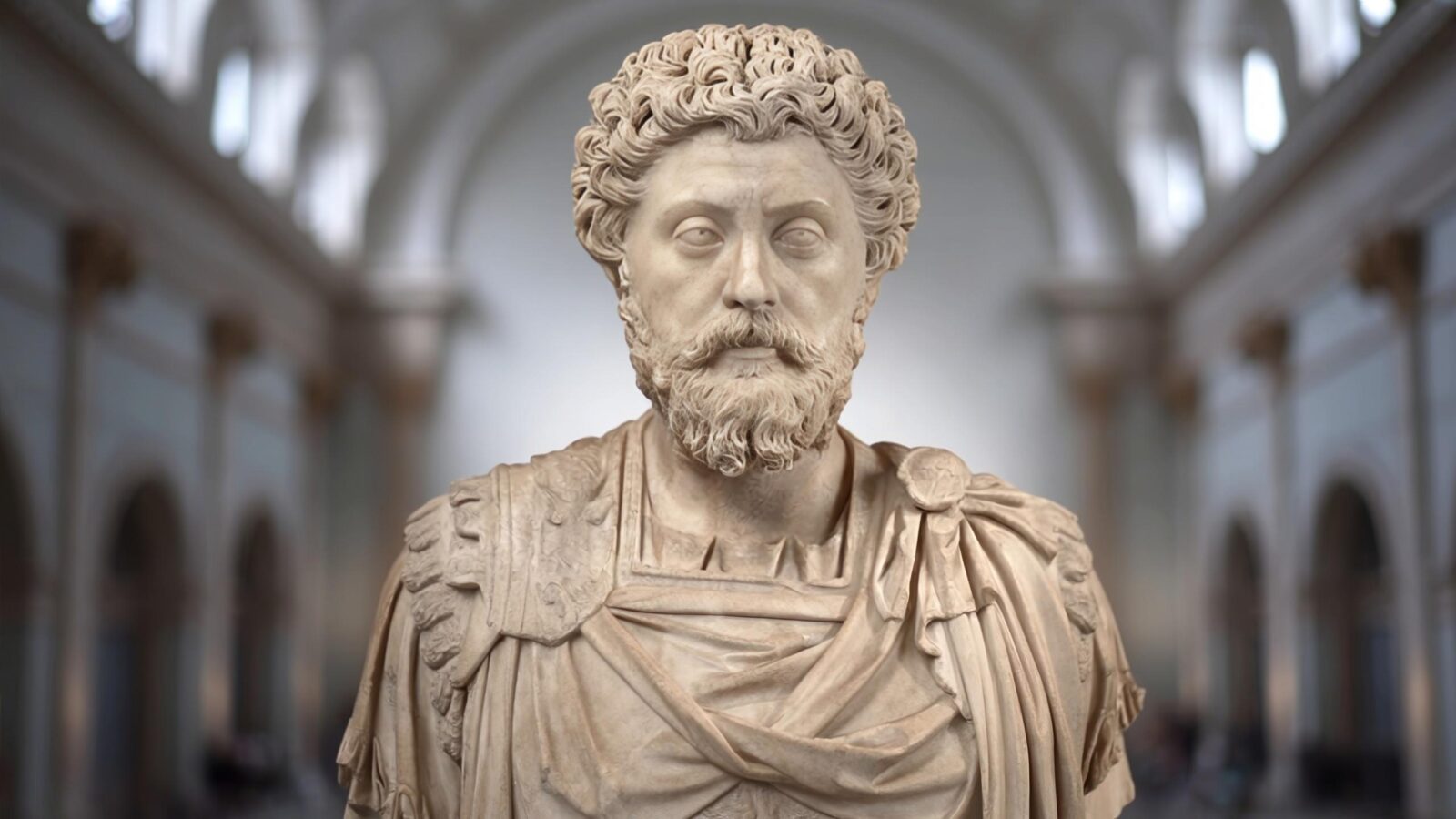
Marcus Aurelius wrote Meditations to correct his own thinking. He was dealing with political strain, war, illness, loss, and the daily frustrations of public life, so his notes were meant to keep his conduct steady when circumstances were not.
His advice is practical because it starts with ordinary moments: getting out of bed, dealing with rude people, deciding what deserves attention, and responding when plans go wrong. These eight habits can make a day feel more within your control by giving your actions and thoughts a better direction.
1. Get Up and Do the Work in Front of You
“At dawn, when you have trouble getting out of bed, tell yourself: ‘I have to go to work, as a human being.'” – Marcus Aurelius, Meditations, Book 5
Marcus Aurelius knew how easily comfort can turn into delay. In the morning, he told himself that he had been made to do the work of a human being, which meant acting with purpose and contributing where he could.
That does not require a punishing routine or endless busyness. It means starting with the responsibility already in front of you, rather than waiting for motivation to arrive. A day changes quickly when you stop bargaining with yourself and start the task that needs doing.
2. Put Your Energy Into Your Own Choices
“The things you think about determine the quality of your mind. Your soul takes on the color of your thoughts.” – Marcus Aurelius, Meditations, Book 5
Other people can be careless, unfair, or unreliable. Markets move, plans fail, and outcomes often refuse to follow your preferred schedule. None of that gives you a good reason to surrender control of your mood or your conduct.
Your effort, judgment, words, and response are still yours. Put your attention there. Anger over another person’s behavior may feel justified, yet it rarely improves your next decision. A calm response gives you a better chance of seeing the situation clearly and acting well.
3. Ask Whether It Is Necessary
“Most of what we say and do is not necessary. If you can eliminate it, you will have more time, and more tranquility.” – Marcus Aurelius, Meditations, Book 4
Many people are exhausted by obligations they barely value. Marcus Aurelius urged himself to question needless speech, needless worry, needless arguments, and actions performed from habit rather than judgment.
Before agreeing to another commitment, replying to a provocation, or opening another distraction, pause for a moment. Ask if it is necessary. That one question can reduce clutter and free up time for your work, close relationships, and health.
4. Prepare for Difficult People Before You Meet Them
“When you wake up in the morning, tell yourself: The people I deal with today will be meddling, ungrateful, arrogant, dishonest, jealous, and surly.” – Marcus Aurelius, Meditations, Book 2
This passage can sound harsh until you see its purpose. Marcus Aurelius was not giving himself permission to despise other people. He was preparing to meet bad behavior without surprise, resentment, or a loss of self-control.
Someone will eventually be rude, selfish, or difficult. Going into the day aware of that possibility makes the encounter less personal. You can set a boundary, speak plainly, or walk away without allowing another person’s poor conduct to dictate your own.
5. Stop Complaining, Even in Private
“Don’t be overheard complaining about court life. Not even to yourself.” – Marcus Aurelius, Meditations, Book 8
Complaining can become a private routine that makes a bad situation feel even larger. Marcus Aurelius warned himself against doing it internally because a mind that rehearses grievances all day becomes less able to see a useful next move.
There is a difference between naming a real problem and repeating the same complaint. Name the issue, decide what is within your power, and take the next sensible action. Some situations cannot be fixed quickly, but constant inner grumbling makes them harder to carry.
6. Hold Yourself to a High Standard and Give Others Grace
“Whenever someone has done you wrong, immediately consider what view of good or evil he had that led him to do it.” – Marcus Aurelius, Meditations, Book 7
Marcus Aurelius expected himself to act with discipline because his character was his responsibility. He also believed that people often act badly because they misunderstand what is good, useful, or honorable.
You do not need to excuse harmful behavior to understand that point. Firm boundaries still matter. Yet patience can save you from turning every slight into a personal war. Be strict about your own conduct, and leave room for the fact that others often fall short due to ignorance or weakness.
7. Use Obstacles as Material for Growth
“The impediment to action advances action. What stands in the way becomes the way.” – Marcus Aurelius, Meditations, Book 5
A setback can close one path without ending all progress. Marcus Aurelius saw difficulty as raw material for character. Delay may call for patience, failure may call for better preparation, and loss may call for endurance.
You do not have to pretend that a painful event is pleasant. The useful question is what the situation now asks of you. A blocked plan can force a better one. An unfair result can show where your process was weak or where you need greater resilience.
8. Keep Mortality in View
“You could leave life right now. Let that determine what you do and say and think.” – Marcus Aurelius, Meditations, Book 2
Marcus Aurelius used the fact of death to clear away trivial concerns. Life has limits, and that fact makes wasted time, petty grudges, and endless postponement look far less attractive.
This is not an invitation to live anxiously. It is a reason to speak honestly, spend time with people you love, and stop putting off work that matters to you. A short life becomes more useful when your choices reflect what you actually value.
Conclusion
Stoicism is often mistaken for emotional coldness. Marcus Aurelius taught something more demanding: meet life as it is, take responsibility for your own conduct, and avoid wasting your attention on what you can’t control.
Start with one habit rather than trying to change everything at once. Get up when you said you would. Cut one needless obligation. Let one irritating comment pass without replaying it for hours. Those small choices build the steadiness that Marcus Aurelius himself was trying to practice.