There are stretches of life when every obligation gets treated as urgent. Work needs you on your day off, somebody wants help, and the news keeps offering new reasons to worry about the economy. By the end of the day, people can feel spent without knowing what exactly happened all day.
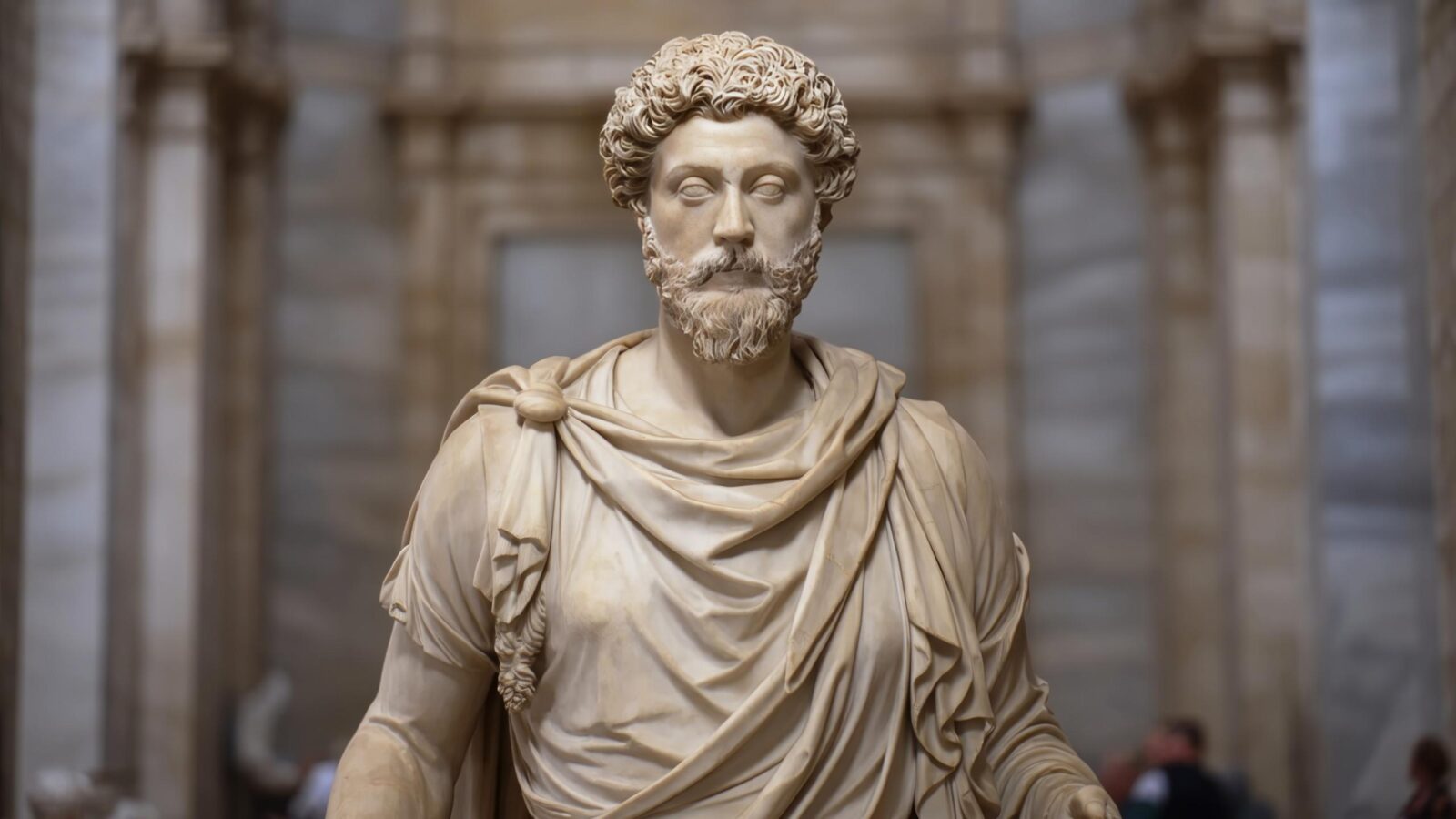
Emperor Marcus Aurelius wrote to himself while carrying the demands of Roman rule. His notes in Meditations keep returning to one major concern: how to keep the mind fit for duty. In Stoic terms, caring for yourself means managing your judgment, habits, and body so that you can meet other people with steadiness instead of bringing them into the chaos of your day. Here are 5 Stoic principles you can use to take care of yourself in a busy, high-pressure world.
1. Find Calm Within Yourself
“It is in thy power whenever thou shalt choose to retire into thyself.” – Marcus Aurelius, Meditations 4.3
Marcus knew the appeal of getting away. A quiet beach, a cabin, or a day with no one asking questions can offer relief. He also knew those places couldn’t be the only source of it. Life will eventually call you back.
The inner retreat is the pause before you react. You step aside for a moment and look at what is actually happening in your mind. Maybe you are angry about an email. Maybe you are carrying a conversation from yesterday as if it is still happening. A few minutes alone can separate the event from the story you have built around it.
Make room for that pause in an ordinary day. Sit with your coffee before opening a screen, take a walk around the block, or stay in the car for a minute after arriving home. You can return to your responsibilities and duties with a better grip on yourself.
2. Guard the Quality of Your Thoughts
“The soul is dyed by the thoughts.” – Marcus Aurelius, Meditations 5.16
Thoughts leave a mark when they become a daily habit. A person who keeps revisiting embarrassments, imagined criticism, and future disasters may start to see the whole world through that material. The mind gets trained by whatever it rehearses.
That does not require forced cheerfulness. Some concerns need attention, and some anger points to a boundary that has been crossed. If a thought leads to a useful act, take it. If it does not serve your goals, let it pass.
This is where limits help. News, social media, and certain conversations can occupy far more space than they deserve. Turn them off when they leave you agitated with nothing useful to do. Your attention belongs to the task in front of you and the people who are actually present.
3. Remove What Does Not Serve the Day
“If thou canst see sharp, look and judge wisely, says the philosopher, whether there be not something in thee which is unnecessary.” – Marcus Aurelius, Meditations 8.6
People often try to solve problems by adding one more thing. A new planner, a complicated morning routine, or another promise can feel productive for a few days. Then it becomes one more demand to fail at.
Marcus offered a tougher and often more useful exercise: remove what is unnecessary. Look at the commitments that fill your week. Some have real consequences. Others remain because you dislike disappointing people, because you have always done so, or because saying no feels rude.
The same audit applies to small things. A cluttered desk can make it harder to start work. Constant task switching breaks concentration and leaves nothing finished. Clear one surface or protect time for work that has been waiting. Relief sometimes begins with less on the calendar.
4. Care for the Body That Carries Your Duties
“When you don’t feel like getting up in the morning, tell yourself: I am getting up to do the work of a human being.” – Marcus Aurelius, Meditations 5.1
Marcus used the discomfort of getting out of bed to push himself toward his work. The passage also makes room for sleep, food, and drink in their proper measure. Stoicism is not a case for treating the body as an inconvenience until it forces you to stop.
Sleep affects patience and judgment. Some active movement, regular meals, and the chance to recover after a hard stretch. These are basic needs, yet they are often the first things people give up when schedules get crowded.
Give the basics a protected place. Go to bed at a time that gives tomorrow a fair chance for success after you are well rested. Walk, lift, stretch, or choose a movement you will keep doing. Eat to support your day, then rest before exhaustion starts making decisions for you. Your body is how you keep your promises.
5. Correct Yourself Without Cruelty
“When thou hast been compelled by circumstances to be disturbed in a manner, quickly return to thyself, and do not continue out of tune longer than the compulsion lasts.” – Marcus Aurelius, Meditations 6.11
A missed habit can easily become an excuse to abandon the whole effort. You lose your temper, skip a workout, spend an evening avoiding a task, and decide you have blown it. That second judgment often does more damage than the first mistake.
Marcus urges a faster return to your normal good habits. Admit what happened without turning it into a story about who you are. If you were unfair, apologize. If you ignored a commitment that matters, begin again at the next chance. There is no special value in waiting for a new week or a new month.
Self-correction has to be honest, or it turns into permission to repeat the same behavior. It also has to leave room for making new and better decisions. You would not help a friend by condemning every mistake as proof of failure. Give yourself that same direct, workable standard.
Conclusion
“Don’t let yourself be shaken. Keep yourself simple and straightforward.” – Marcus Aurelius, Meditations 4.26
Taking care of yourself is daily upkeep. It happens in the quiet pause before an angry reply, in the decision to leave an unnecessary obligation behind, and in the choice to sleep when you need sleep. Those choices protect your capacity to do useful work and be decent company.
Marcus wrote these notes to prepare himself for life. Care for your own mind and body, then bring that steadiness to the next duty waiting for you.