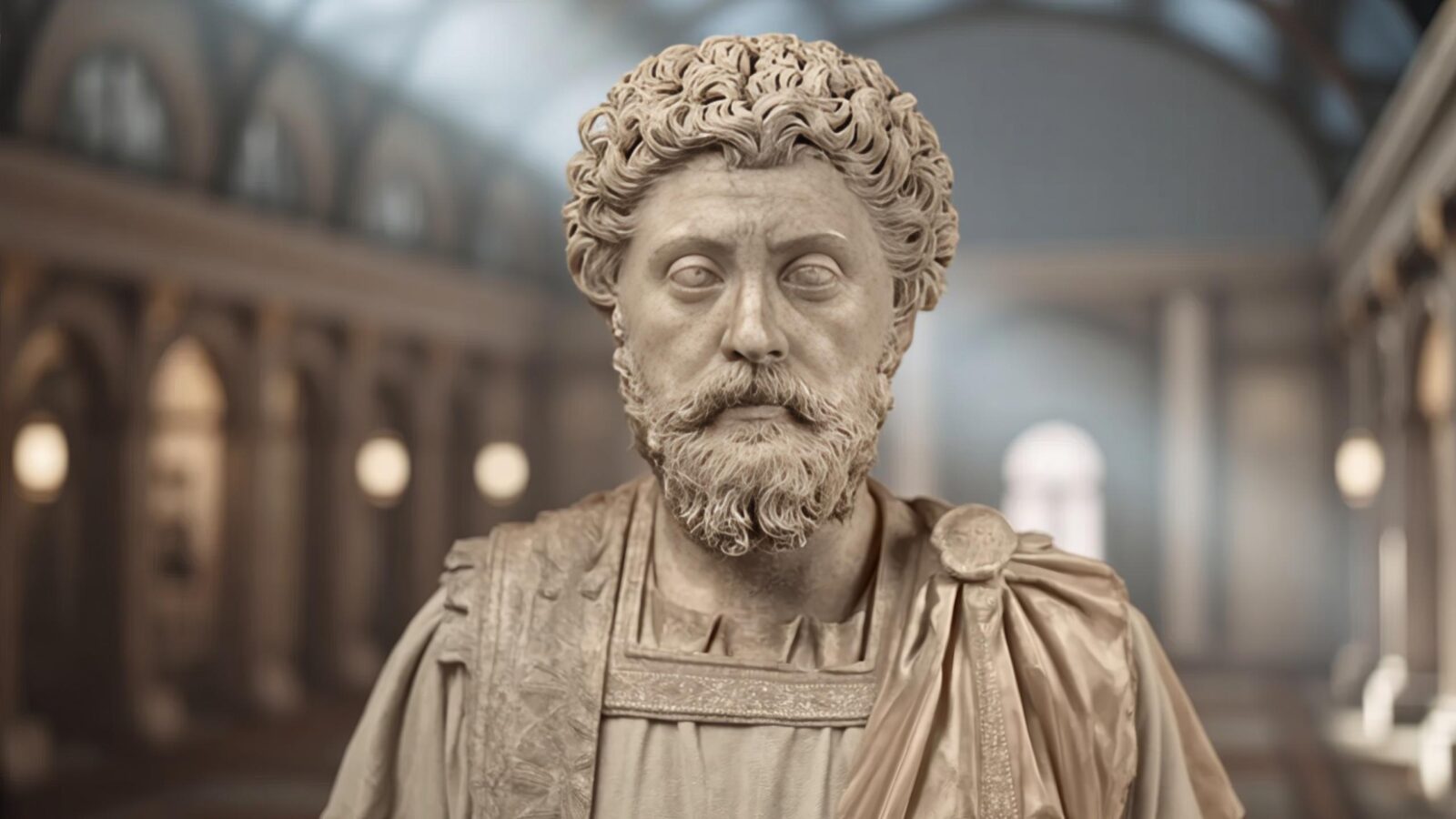
Marcus Aurelius was a Roman emperor with more demands on his time than most people will ever face. War, political conflict, illness, and the pressure of leading an empire were regular parts of his life, yet his private journal focused on how to govern himself.
In Meditations, Aurelius did not define success in terms of money, popularity, or power. He cared about sound judgment, useful work, self-control, and the ability to maintain a decent character when circumstances became difficult.
His ideas still apply because daily life gives everyone small tests of patience and attention. The habits below are not dramatic acts of discipline. They are practical ways to direct your mind and actions before the day directs them for you.
1. Rise Each Day With a Reason to Act
“In the morning, when thou risest unwillingly, let this thought be present: I am rising to the work of a human being.” – Marcus Aurelius
Aurelius treated getting out of bed as a matter of duty. He believed people were made to think, work, cooperate, and contribute, so staying in comfort when there was useful work to do ran counter to that purpose.
That does not mean every morning will feel productive or inspiring. Some days begin with low energy, bad news, or a mind that would rather stay under the covers, but purpose can still get a person moving.
People who build lasting success usually know what deserves their attention early in the day. They do not need to complete every task before noon, but they do need to avoid giving away their best hours to distractions.
A morning routine can be simple. Get up, prepare for the day, and begin the work that matters before checking social media, news headlines, or messages unrelated to your responsibilities.
The goal is not to create a rigid performance of productivity. The goal is to begin with intention, because a day that starts by drifting often remains there.
2. Prepare for Difficult People and Frustrating Events
“Say to thyself in the early morning: I shall meet today ungrateful, violent, treacherous, envious, uncharitable men.” – Marcus Aurelius
This passage can sound harsh without context. Aurelius was not telling himself to distrust everyone. He was preparing himself for the fact that some people would act out of ignorance, selfishness, or poor judgment.
That preparation kept him from treating every rude comment or inconvenience as a personal attack. When a person expects life to be smooth, a minor delay can feel like an insult. When difficulty is expected, it becomes something to plan for.
A troublesome customer, an impatient driver, a careless coworker, or a hostile stranger can still create a bad moment. However, their behavior should not determine the quality of your response.
This habit is useful because anger often begins with surprise. You thought someone would be fair, reasonable, or considerate. They were not, and now you have a choice between reacting on impulse and responding with restraint.
Successful people do not avoid every conflict. They avoid making a hard situation worse through pride, revenge, or careless words.
3. Put Your Effort Into What You Can Control
“The things which are external to my mind have no relation at all to my mind.” – Marcus Aurelius
Aurelius drew a firm line between external events and personal judgment. A person can’t control the weather, another person’s opinion, a delayed flight, or a market move. They can control the choices made after those things happen.
This is one of the most useful Stoic ideas because worry often spends energy on matters that will not respond to it. Complaining about an outcome may feel active for a few minutes, but it rarely improves the next decision.
When plans change, direct attention toward the part of the situation that belongs to you. You can prepare better, reduce risk, speak honestly, correct an error, or wait until emotions settle before taking action.
For a trader, this means following risk rules instead of demanding that a position work. For a business owner, it may mean improving the offer, controlling expenses, or handling a client issue with professionalism.
External results matter, but they should not own your state of mind. A person becomes steadier when they stop trying to command the uncontrollable and start managing their own conduct.
4. Review Your Conduct With Honesty
“Look within. Within is the fountain of good, and it will ever bubble up, if thou wilt ever dig.” – Marcus Aurelius
Meditations was a private record, not a speech written for public praise. Aurelius used the pages to correct himself, question his motives, and return to the standards he wanted to live by. A daily review can serve the same purpose. At night, look back at where you acted well and where you allowed irritation, laziness, fear, or ego to influence your choices.
The review should be honest without becoming too negative toward yourself. There is no benefit in replaying a mistake to feel bad about it. The value comes from seeing the mistake clearly enough to handle the next situation better.
This is especially useful when the same problem keeps showing up. Maybe you put off important work, speak too quickly when frustrated, or keep making decisions based on short-term emotion.
People improve when they stop making excuses for patterns that hurt them. A quiet review at the end of the day can expose those patterns before they become permanent habits.
5. Eliminate What Does Not Deserve Your Attention
“Do few things, says the philosopher, if thou wouldst be tranquil.” – Marcus Aurelius
A crowded schedule can create the appearance of importance while producing very little value. Aurelius saw that peace of mind depends partly on refusing unnecessary activity, useless opinions, and tasks that pull attention away from real duties.
Successful people often make progress by deciding what they will leave alone. They do not answer every argument, pursue every opportunity, or treat every request as equally urgent.
Before taking on another obligation, ask whether it deserves time and energy. If it does not serve a real responsibility or a meaningful goal, it may only create more noise in an already busy day.
Fewer priorities can lead to better work. Attention is limited, and scattered attention creates mistakes, rushed decisions, and the feeling of being busy without moving forward.
This does not mean withdrawing from work or avoiding responsibility. It means protecting enough mental space to do the important work carefully, rather than filling every open moment.
Conclusion
“Consider that before long thou wilt be nobody and nowhere, nor will any of the things exist which thou now seest, nor any of those who are now living.” – Marcus Aurelius
Aurelius used the brevity of life to put daily problems in perspective. A small insult, a missed opportunity, or a temporary setback deserves a response that fits its true importance.
His daily habits point toward a form of success built on character. Rise with a purpose, expect difficulty without bitterness, focus on your own choices, examine your conduct, and clear away the distractions that consume your attention.
Those practices will not remove every hard day. They can help you meet hard days with more discipline, better judgment, and a calmer mind.