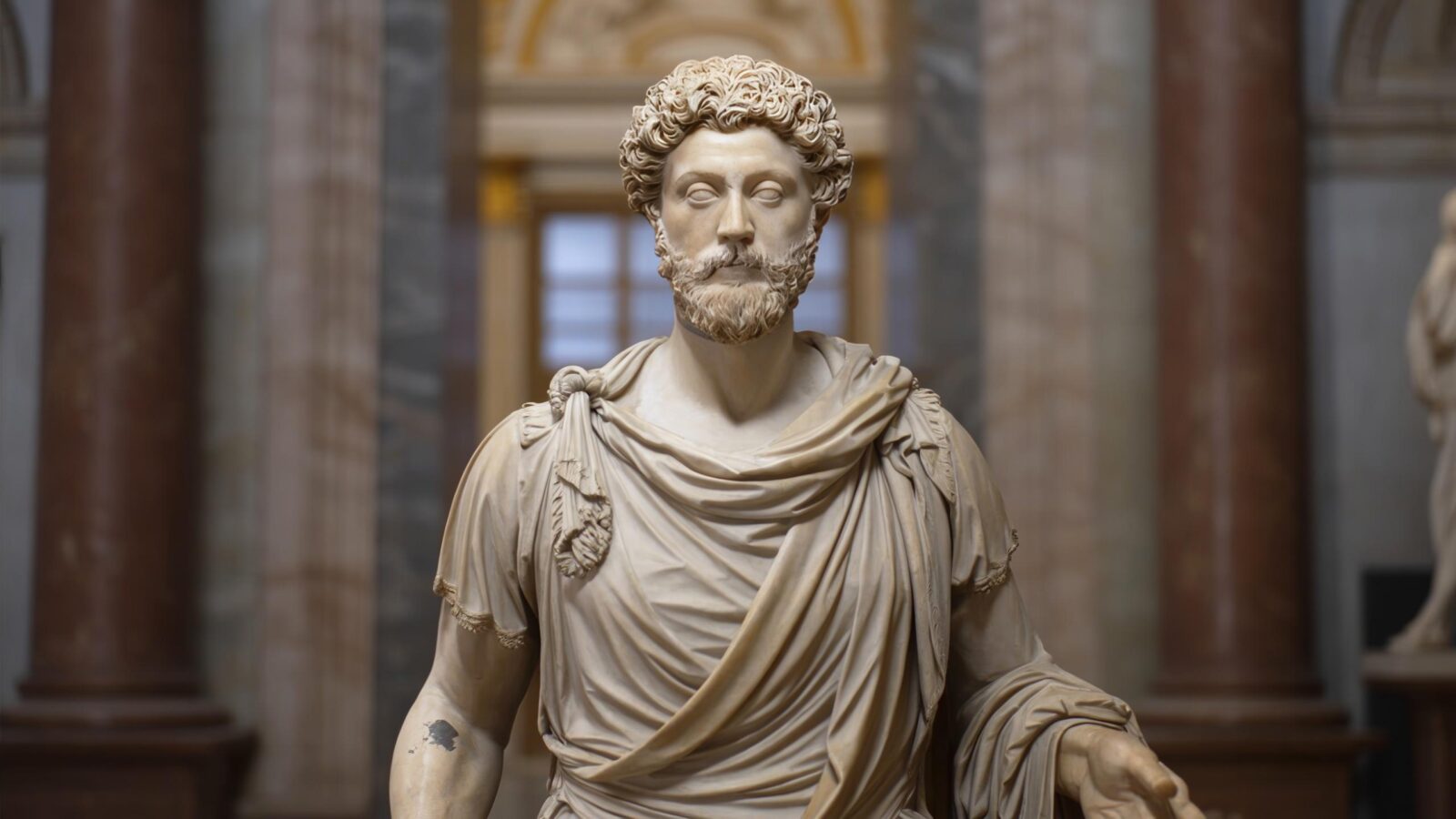
When Roman Emperor Marcus Aurelius caught himself complaining about life, he had a place to take the complaint. He wrote himself a note about it. Much of Meditations reads this way.
In Meditations, Marcus Aurelius wrote about his own concern with others’ opinions and urged himself to be patient with those he found difficult. He returned to both subjects throughout the work, often writing short reminders about how he wanted to behave.
Marcus never set down five rules for privacy. His notes do, however, suggest five areas of life where keeping something to yourself can help you act well and spare those around you some grief. Here are 5 things you should always keep private according to his writings and opinions.
1. Your Plans Before You’ve Done the Work
A friend asks what you’ve been up to, and you tell her about the book you’d like to write. By the time you’ve described the opening chapter and who might want to read it, she’s saying he’d buy a copy. It’s a pleasant way to spend an evening. The next morning, you still have to write the first sentence.
Marcus Aurelius put the difficulty plainly in Meditations 10.16. “No longer talk at all about the kind of man that a good man ought to be, but be such.” He was writing about character. The advice applies equally well to an ambition you could spend years discussing because the discussion itself is so satisfying.
Give the idea some deep thought first. You might discover that what you actually want to write would make a great short story or blog article. You’re free to make that change without feeling you’ve backed out of a promise. When you do bring your friend into it, you can hand him a draft and ask where he lost interest.
Focus more on doing things and less on talking about what you want to do. Action is more meaningful and satisfying than words for yourself and your audience.
2. The Good You Do for Someone Else
Suppose you shovel an older neighbor’s front steps while you’re clearing your own. You know she has trouble getting down those steps when they’re icy. By the time she opens her door, she can get to the mailbox safely. That’s a good reason to have done it, even if she never finds out who helped.
In Meditations 5.6, Marcus Aurelius compares a generous person to “a vine which has produced grapes, and seeks for nothing more after it has once produced its proper fruit.” He admired the person who could do someone a favor and go on with the day. The neighbor has already received everything you meant to give her. Telling other people who cleared the steps adds only one thing to the story: your name.
If she sees you and says thanks, accept it. The part worth keeping private is the one you might be tempted to bring up later, when nobody has asked, to get a little credit. Do good work in private and let the feeling of giving be your reward.
3. The Minor Grievances You Keep Repeating
“Let no man any longer hear you finding fault with the court life or with your own.” Marcus Aurelius addressed that instruction to himself in Meditations 8.9. He could have filled a page with everything that annoyed him about court. Instead, he used a line to name a habit he had some power to change.
Suppose a coworker cuts you off during a meeting. When you tell somebody at lunch, you describe how irritated you were. By the time you tell the story at home, you’ve decided your coworker wanted to embarrass you. A detail has slipped into the story with each telling. You know exactly when he interrupted, right down to the sentence you didn’t get to finish. His reason is still a guess.
A recurring problem deserves a direct conversation. Ask him to let you finish next time, or talk to the person running the meeting if you need help. You can describe what happened accurately while it’s fresh. After the problem is settled, give the story a rest as well. Complaining adds no value to a situation; it is better to move on.
4. Your Private Reflections on Your Own Faults
One reason to keep a journal private is that you can write an unflattering sentence without spending the next paragraph defending yourself. In Meditations 4.3, Marcus Aurelius wrote that “it is in your power whenever you choose to retire into thyself.” He offered that option to anyone longing to get away to a country house. You can give a difficult thought your full attention at home.
Suppose you notice that when someone points out a small mistake, you’re quick to explain why you made it. Think back to the last time it happened. Did you have the information the other person needed, or were you embarrassed and trying to save face? In private, you can admit that you wanted to look competent, even if your explanation made you sound defensive.
Once you see the habit, you can work on it quietly. The next time someone catches an error, thank them for pointing it out and fix it. They don’t need a speech about how you’re learning to take criticism. They’ll see the change for themselves when they can bring a mistake to your attention without having to argue about it. There is no need to share your own errors and weaknesses; it degrades you, and no one wants to hear about it.
5. The Things You Choose to Go Without
Marcus Aurelius admired how his adoptive father, Antoninus Pius, handled the comforts available to an emperor. In Meditations 1.16, he wrote, “when he had them, he enjoyed them without affectation, and when he had them not, he did not want them.” Antoninus could enjoy a good dinner and be just as easy to please when the food was plain.
Suppose you decide to keep driving a car you have already paid off because you’d like to work fewer hours, and a monthly payment would make that harder. When a friend pulls up in a new car, you can be happy for him. He hasn’t asked what you think of car payments. If you use the occasion to explain how little you spend, you turn his good news into a comparison he never asked for.
Keeping that choice private helps you stay honest about why you made it. The benefit is that you can afford to take the afternoon off. If nobody ever finds out how old your car is or what you gave up to keep that time free, you still have exactly what you wanted.
Conclusion
Marcus Aurelius wrote in Meditations 12.4, “So much more respect have we to what our neighbors will think of us than to what we will think of ourselves.” Privacy gives you room to decide whether a plan deserves your time, what you owe another person, and which habits make your life better. Speak when someone needs your help or deserves an explanation. You can keep pursuing a goal, helping someone, or working on a bad habit even if no one notices or praises the effort.