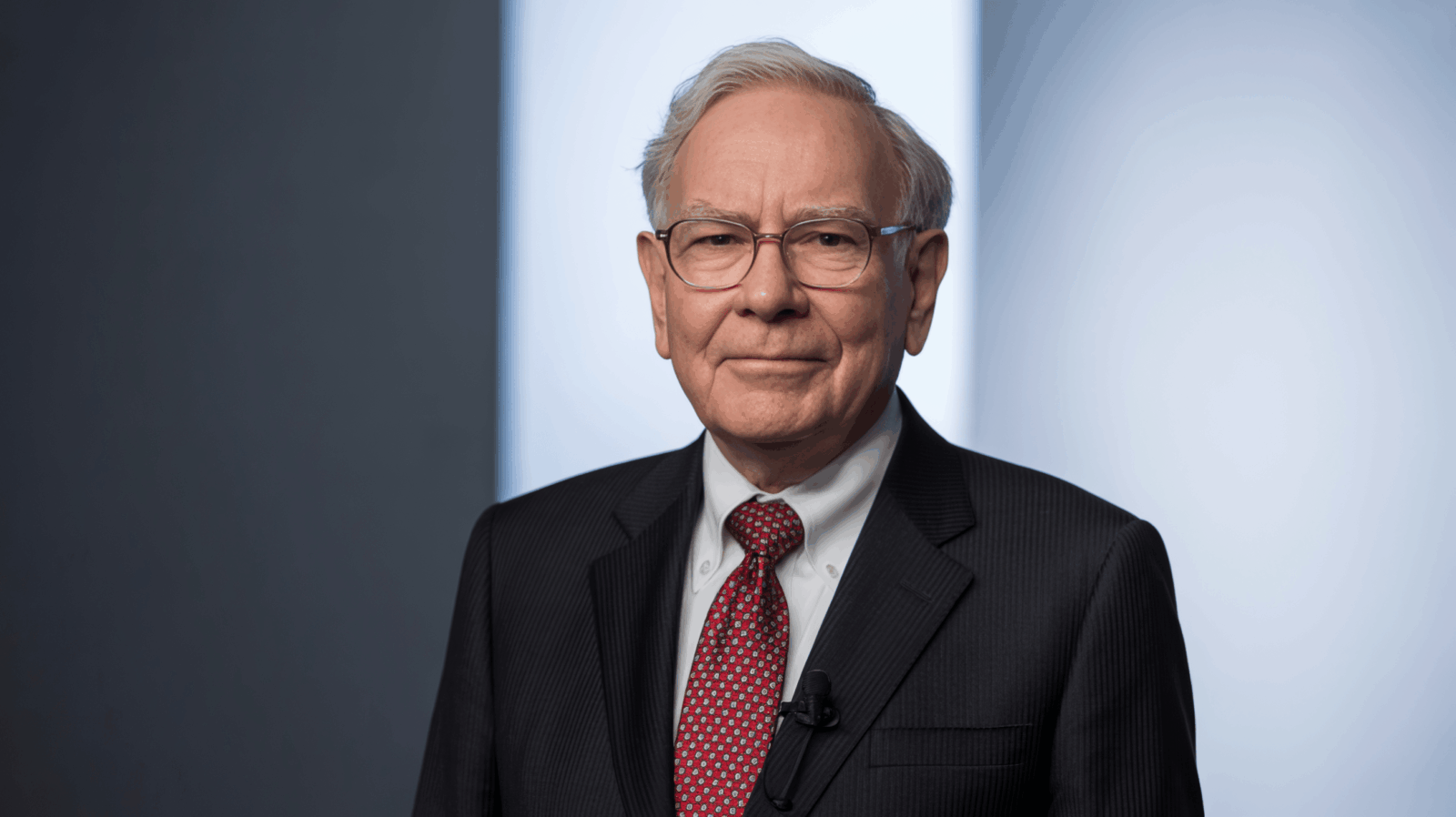
Warren Buffett is one of the most studied investors in history, yet most people focus on his stock picks rather than his habits. The behaviors that shaped his success are not secret. They are daily disciplines, practiced consistently over decades, that anyone can study and apply.
Understanding what Buffett actually does each day reveals that his edge is not supernatural intelligence. It is the product of deliberate, repeatable habits that have been compounded over a lifetime.
1. Compound Your Knowledge Like Your Money
Buffett is famous for spending roughly 80% of his working day reading. He devours business books, annual reports, trade journals, newspapers, and biographies, treating information as the raw material of every sound investment decision.
“Read 500 pages like this every day. That’s how knowledge works. It builds up, like compound interest.” — Warren Buffett.
This single habit has shaped his entire career. The insights he gathers do not produce immediate returns. They accumulate quietly until the moment an opportunity demands them.
Most people consume information reactively, scrolling headlines and chasing trends. Buffett processes information deeply, sitting alone in his Omaha office, free from the distraction of real-time market noise. He treats reading not as a pastime but as the foundational investment that makes every other investment possible.
2. Define and Defend Your Circle of Competence
One of Buffett’s most underappreciated disciplines is knowing the true boundaries of his own knowledge. He refuses to invest in businesses he can’t fully understand, no matter how lucrative they appear from the outside.
“What an investor needs is the ability to correctly evaluate selected businesses. Note that word ‘selected’: You don’t have to be an expert on every company, or even many. You only have to be able to evaluate companies within your circle of competence. The size of that circle is not very important; knowing its boundaries, however, is vital.“ – Warren Buffett.
He sat out the 1999 technology boom entirely, absorbing public criticism for being out of touch with the modern economy. He was not out of touch. He had not yet developed sufficient understanding of the consumer technology landscape to act with confidence. Also, he knew the valuations were too high versus real earnings and that the speculative bubble would end badly.
Years later, after a thorough study, he made Apple one of Berkshire Hathaway’s largest holdings. His patience was not stubbornness. It was intellectual honesty applied with discipline, and it protected him from losses that destroyed many other investors during that era.
3. Guard Your Calendar Like an Asset
Buffett treats time as his most valuable and finite resource. He deliberately keeps his calendar nearly empty, a practice that strikes most executives as counterproductive but that he views as essential to clear thinking.
“The difference between successful people and really successful people is that really successful people say no to almost everything.” — Warren Buffett.
Bill Gates once noted with visible surprise that Buffett’s paper appointment calendar was almost entirely blank. Most high-achieving professionals fill every hour with meetings, obligations, and noise. Buffett reserves space for thought because he understands that great decisions require uninterrupted concentration.
When a rare, compelling opportunity appears, he can act immediately. An overcrowded schedule would make that speed impossible. Protecting time is not laziness. It is strategic preparation for the moments that matter most.
4. Live by the Front Page Test
Buffett treats his reputation as one of his most valuable assets, something he has spent decades protecting with the same care he applies to a business acquisition. He does not view ethics as a soft, optional quality. He sees them as a core business strategy.
“It takes 20 years to build a reputation and five minutes to ruin it. If you think about that, you’ll do things differently.” — Warren Buffett.
When the Salomon Brothers scandal emerged in 1991, Buffett stepped in personally to manage the fallout. He told Congress and his employees that he could accept losing money for the firm, but he would be ruthless toward anyone who damaged the firm’s reputation.
That standard is not just good character. It is a durable competitive advantage that earns trust from partners, regulators, and the public over the long run. A reputation for high integrity compounds just as surely as capital does.
5. Practice Intentional Frugality
Despite his enormous wealth, Buffett has lived in the same modest Omaha home since 1958. He drives his own car and keeps his personal spending deliberately simple, not because he can’t afford more, but because he understood early in his life how lifestyle creep corrupts financial judgment.
“If you buy things you do not need, soon you will have to sell things you need.” — Warren Buffett.
When your financial needs are low, you maintain the freedom to pass on bad deals and wait for exceptional ones. Buffett’s early frugality was not about deprivation. It was about preserving autonomy and protecting the quality of his decisions from a young age.
A person who needs to generate income quickly to fund an expensive lifestyle will compromise their standards under pressure. Buffett has never been in that position. That freedom has shaped every investment decision he has ever made.
6. Master the Art of Patience
Perhaps Buffett’s most transferable habit is his willingness to wait for the right opportunity rather than force one. He has compared investing to baseball, noting that an investor, unlike a batter at the plate, faces no penalty for letting a hundred pitches go by without swinging.
“The stock market is a device for transferring money from the impatient to the patient.” — Warren Buffett.
Most investors hurt themselves not by making too few decisions but by making too many. They trade in and out of positions chasing short-term returns, racking up costs and taxes while losing the compounding that only time and stillness can produce.
Buffett holds great businesses for decades. His patience is not passive. It is an active strategy that requires tremendous discipline in a financial culture that relentlessly rewards constant motion over careful thought.
Conclusion
The six habits that define Warren Buffett’s success are not reserved for billionaires or financial professionals. They are available to anyone willing to study and apply them consistently over time. Read deeply every day. Stay within the limits of your actual knowledge. Protect your time with the same intensity you protect your capital.
Build and guard your reputation. Live below your means to preserve your freedom and your judgment. Above all, develop the patience to wait for the right opportunity rather than chasing every one that appears. These habits will not produce overnight results. They will produce something far more valuable: a foundation that lasts.