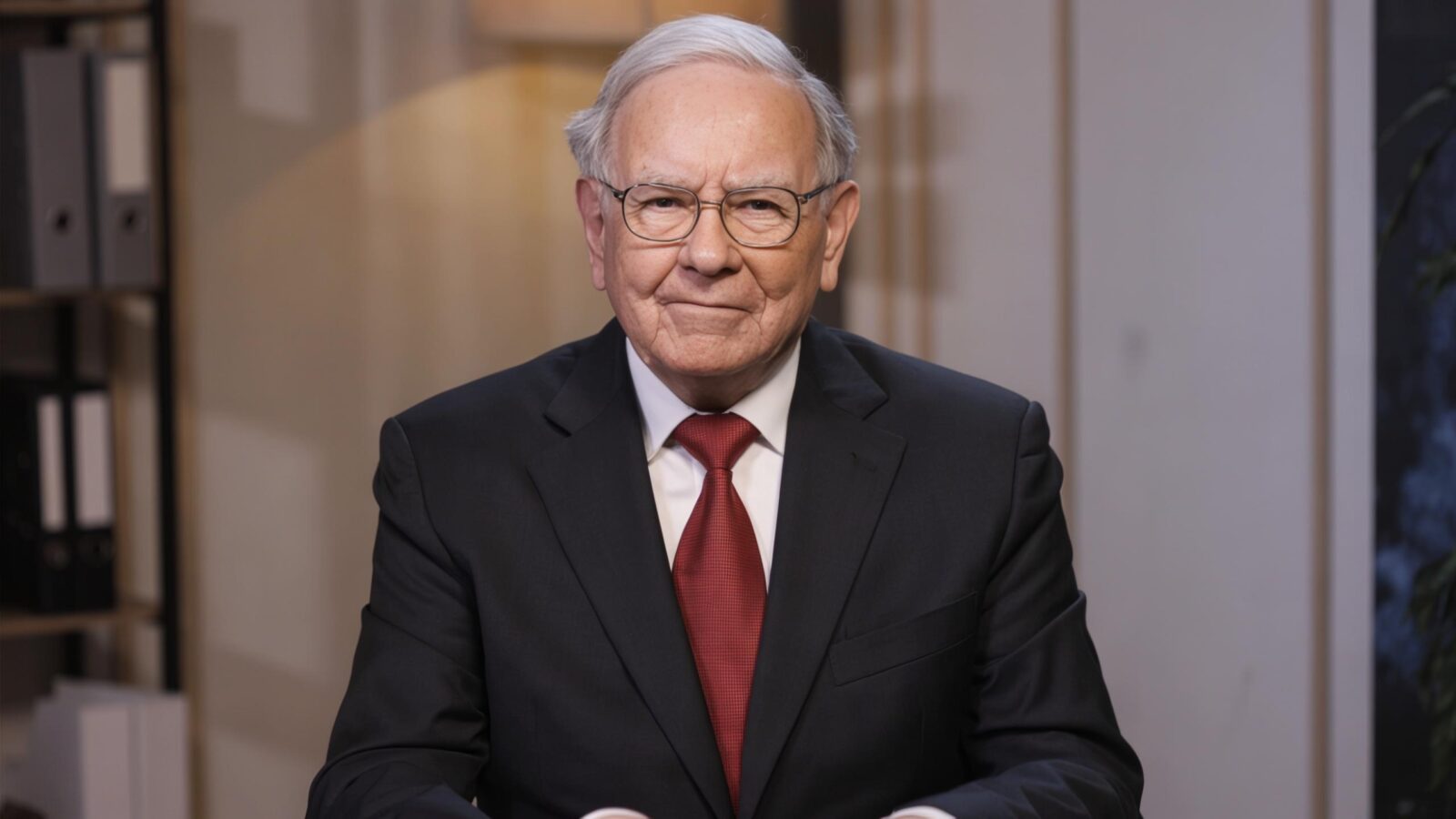
Warren Buffett is one of the wealthiest people on the planet. His financial philosophy has stayed grounded and practical anyway. He talks about money in plain language, no jargon, no secret formulas.
He talks about habits, such as patience and discipline. He teaches that the place where a person actually spends their paycheck after the bills are paid is the most important financial decision. None of it requires a finance degree or a lucky break, just a willingness to do ordinary things for a long stretch of time.
Based on his most famous teachings, here are 7 things middle-class earners can spend money on to build real wealth over time.
1. Investments in Yourself
Buffett has said for decades that the most valuable asset a person owns is their mind. Spending on skills, certifications, or communication training can produce a higher return than any stock purchase.
“The best investment you can make is in yourself.” — Warren Buffett.
Skills can’t be taxed away. They can’t be inflated away either. A person who spends money learning to think clearly, speak well, or solve problems is building something that lasts a lifetime and keeps paying off, no matter what the broader economy is doing.
Buffett was so afraid of public speaking that he once arranged his college courses just to avoid standing up in front of a class. After graduating from Columbia Business School, he took a $100 Dale Carnegie public speaking course to push past that fear. He has said it changed his life, and to this day, he keeps that course certificate framed on his office wall rather than his college diplomas.
2. Low-Cost S&P 500 Index Funds
Buffett has spent years telling regular investors to quit trying to outsmart the market by picking individual stocks if they are not passionate about learning how to value a company. He points them somewhere simpler.
“Consistently buy an S&P 500 low-cost index fund.” — Warren Buffett.
Most professional money managers can’t beat the market over long stretches. Paying high fees for that attempt rarely pays off, and a middle-class earner who buys a low-cost index fund and holds it through good years and bad years often ends up ahead of people who spent their money chasing hot stock tips. The fund does the work. The person has to leave it alone.
3. Productive Assets Instead of Fads
Middle-class spenders get pulled toward speculative trends all the time. Trendy cryptocurrencies feel exciting. Gold feels safe. Buffett has steered people toward something else entirely.
“Price is what you pay. Value is what you get.” — Warren Buffett.
A productive asset generates goods, services, or cash flow over time. Great businesses do this. Well-chosen real estate does too, and both keep working even when the owner isn’t paying close attention to them. Spending money on something that produces income is a different game entirely from spending money on something that only holds value because other people agree it should.
4. Only Invest In Things You Truly Understand
Risk rarely comes from the market itself. It usually comes from a person spending money on a financial product, a business, or a scheme they don’t actually understand.
“Risk comes from not knowing what you’re doing.” — Warren Buffett.
Buffett built his entire career staying inside the circle of what he truly understood. He avoids businesses he can’t explain in a sentence or two, and he tells everyday investors to do the same thing.
A middle-class earner who only spends money on things they genuinely understand is far less likely to get burned by complexity they never had the tools to evaluate in the first place. This applies to timeshares, complicated insurance products, and any investment pitched with a sense of urgency, not just individual stocks.
5. Cash Reserves
Buffett is a legendary investor. He still places enormous value on liquidity, and saving money to build a solid cash cushion protects a person from being forced into bad decisions later.
“We believe in having cash… it’s like oxygen, you know, it’s there all the time, but if it disappears for a few minutes, it’s all over.” — Warren Buffett.
Cash keeps a person from being forced to sell investments at the wrong moment. It also keeps them from reaching for a high-interest loan when life throws an unexpected expense their way. A strong emergency fund isn’t glamorous. It just gives a person the freedom to make a calm decision rather than a desperate one when things get difficult.
6. Financial Discipline
The smartest financial move a person can make often isn’t a physical item at all. It’s the discipline behind how they allocate their paycheck in the first place, before anything else gets spent.
“Do not save what is left after spending; spend what is left after saving.” — Warren Buffett.
Buffett has pushed people for years to treat saving and investing as mandatory expenses rather than afterthoughts. When a person pays themselves first, wealth builds automatically before temptation spends it away. No investment trick can replace that single habit.
7. Quality Over Cheapness
Buffett is famously frugal. He has lived in the same modest house for decades, and yet he isn’t cheap, which is an important distinction.
“I like buying quality merchandise when it is marked down.” — Warren Buffett.
Buffett spends money on well-made items that last rather than constantly upgrading a lifestyle or buying cheap goods that need replacing every year. A middle-class earner who buys fewer things but picks quality over trendiness tends to spend less money over a lifetime. The results tend to look better, too: longer coats, sturdier shoes, furniture that survives the move instead of the curb.
One thing is missing from this list on purpose. High-interest credit card debt. Buffett views borrowing money for consumer goods as financial poison, and he has warned for years that carrying a balance at a high interest rate keeps a person’s money working for the bank instead of for themselves. Paying off balances quickly and avoiding unnecessary debt keeps every dollar available for the smarter choices above.
Conclusion
Buffett’s advice was never about complicated formulas or secret strategies. It was about simple habits practiced consistently for a long time. Spending money on your own skills, on productive assets, on quality goods, and on a solid cash cushion builds a foundation that outlasts whatever is trending this year.
A middle-class earner doesn’t need millions of dollars to start applying any of this. What it takes is the discipline to spend with purpose instead of impulse, and the patience to let those choices sit and compound for years.
That combination builds more wealth over a lifetime than any single stock pick ever will. None of these seven habits is complicated on its own. Stacked together and repeated for years, they add up to something that, from the outside, looks a lot like financial security.