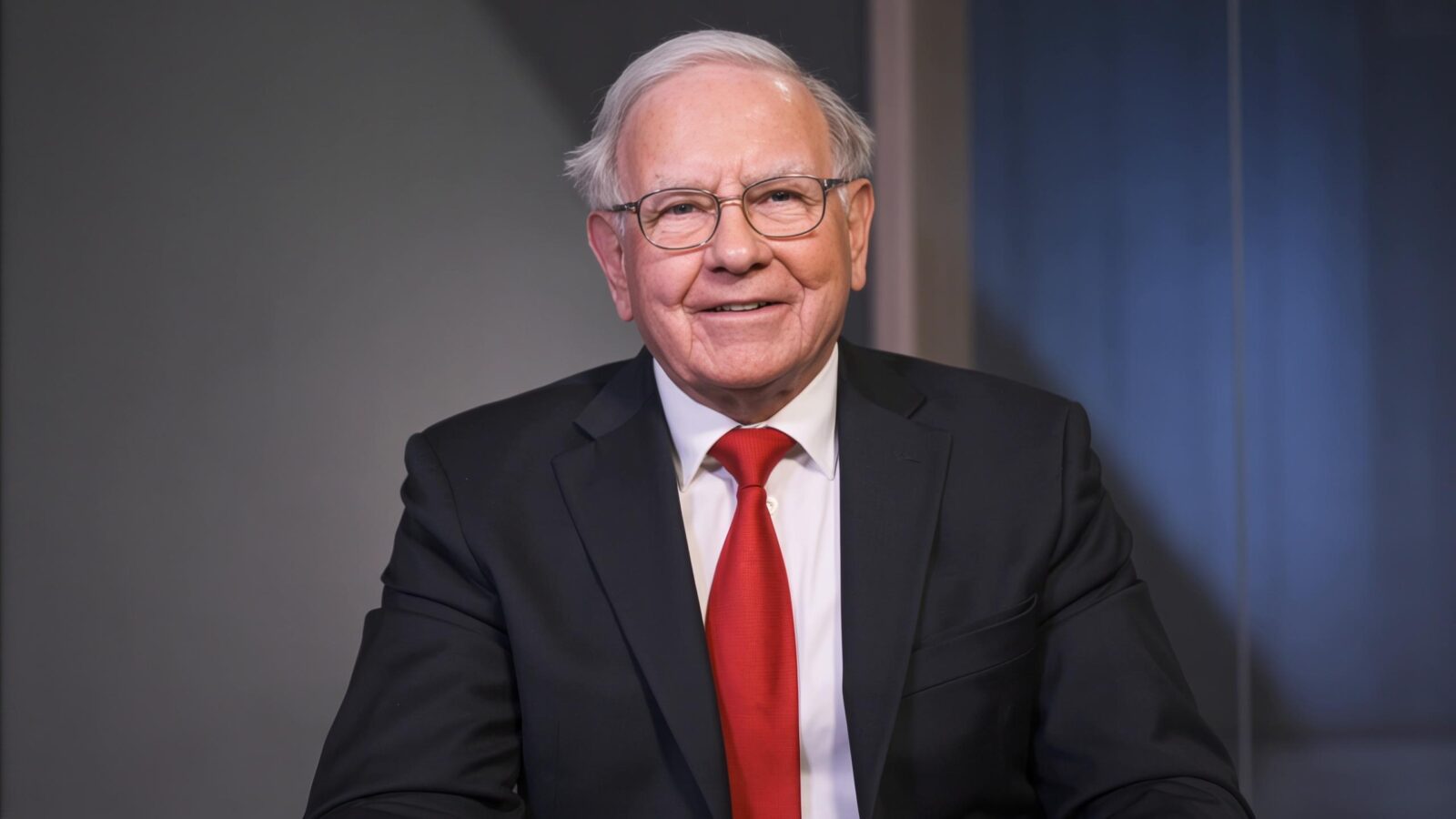
Solitude has a bad reputation. Most advice books treat alone time as something to fix, not something to protect. But look closely at Warren Buffett’s career, and a different picture shows up. He built one of the greatest investment records in history mostly through quiet hours of reading, alone in an office in Omaha. People who genuinely enjoy being alone tend to share several traits with him. Here are five, backed by Buffett’s own words.
1. Independent Thinking
Buffett has spent decades ignoring the crowd. He reads original company filings and shareholder letters and draws his own conclusions instead of borrowing someone else’s opinion. He summed up this approach. “Be fearful when others are greedy and greedy when others are fearful.”
That line only works if you’re willing to stand apart from the crowd. People who like solitude build that muscle without trying. Give someone enough hours alone with a problem, and they stop reaching for consensus. They start asking whether the popular view actually holds up, and often it doesn’t.
2. Extreme Focus and Patience
Buffett is famous for spending huge stretches of his day reading and thinking, uninterrupted. He didn’t treat this as a luxury. He treated it as a rule. “I insist on a lot of time being spent, almost every day, to just sit and think. That is very uncommon in American business.”
Most people fill the silence the second it appears. A solitary person doesn’t flinch at it. Quiet rooms are where they do their best work, not where they get bored. That comfort with stillness is exactly what lets a complicated idea sit long enough to actually get solved.
3. Low Need for Social Validation
Buffett often talks about what he calls the Inner Scorecard. It’s a simple question. Do you measure yourself by an internal standard, or by whether people applaud? He’s argued that the healthiest version of success comes from judging your own conduct honestly, whether or not anyone else notices or approves.
People who are content on their own tend to run on the same internal system. They’re not chasing likes, invitations, or a nod from the group chat. That doesn’t make them cold. It makes them steadier, because their sense of whether they did well doesn’t rise and fall with someone else’s mood.
4. Disciplined Emotional Control
Markets panic. Buffett doesn’t, at least not visibly, and he’s said plainly why patience beats reaction. “The stock market is a device for transferring money from the impatient to the patient.” That’s not a slogan. It’s a description of how he actually behaves during a crash.
Staying calm under pressure is rarely instinctive. It’s built, usually in quiet moments long before the crisis hits. People who spend real time alone get more practice sitting with discomfort instead of outsourcing it to a group for instant reassurance. Over time, that practice shows up as composure when it actually counts.
5. Selective Relationships
Buffett is one of the most recognizable people on earth, yet his closest circle has always stayed small. His decades-long partnership with the late Charlie Munger is the clearest example. Two people, an enormous amount of trust between them, built over an entire working life, rather than spread thin across hundreds of acquaintances.
Solitary people gravitate toward the same shape of relationship. They’re not trying to know everyone. They’d rather have three people who’d actually show up when needed most than thirty who’d send a nice text. Fewer connections, chosen carefully, tend to hold up better under real pressure than a wide but shallow network ever does.
Conclusion
Enjoying being alone with your own thoughts isn’t a flaw to correct. In Buffett’s case, it was closer to a training ground. The independence, the focus, the internal compass, the calm, the small circle of trusted people. Each trait traces back to time spent alone, thinking things through without an audience.
If solitude has always suited you more than the crowd did, that’s not something to apologize for. It might be the exact habit that’s quietly building your judgment, one quiet afternoon at a time.