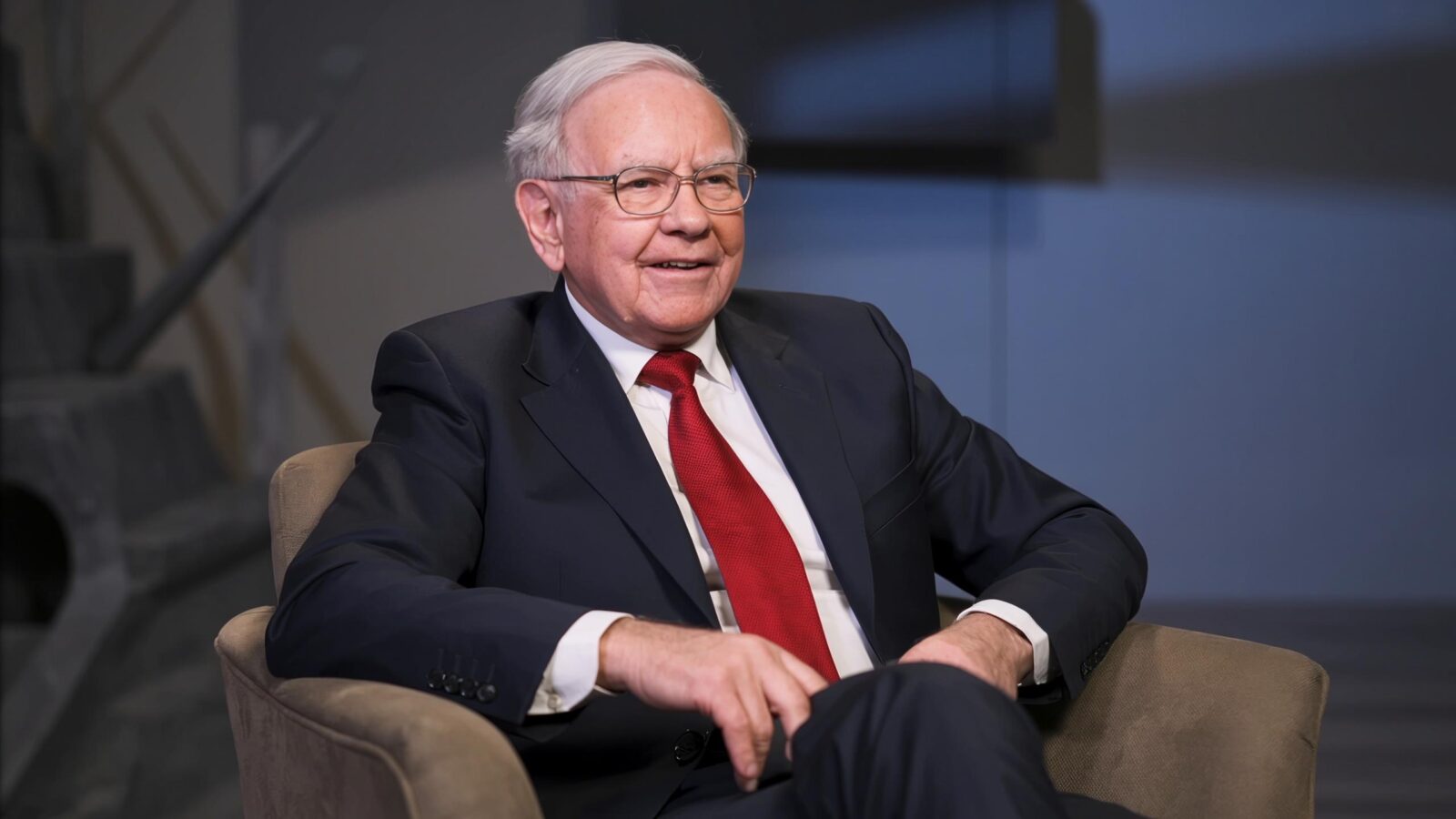
Warren Buffett approaches stocks as ownership stakes in real businesses. Instead of trying to predict where a stock will trade next week or next month, he studies the company behind it and asks whether its economics can produce value for shareholders over many years.
His approach combines business quality with valuation. Buffett looks for understandable companies with competitive advantages, capable management, attractive returns on capital, and strong cash generation. He then considers whether the stock’s price offers a good investment opportunity.
1. Stay Inside Your Circle of Competence
“It’s vital, however, that we recognize the perimeter of our ‘circle of competence‘ and stay well inside of it.” – Warren Buffett
Buffett doesn’t believe investors need to understand every company. They need to know which businesses they understand well enough to make informed judgments about their economics and future prospects.
Study how the company makes money, why customers buy from it, and which competitors threaten it. If you still don’t understand the business after studying it, move on. There will always be another investment opportunity.
2. Find Companies With an Economic Moat
“A truly great business must have an enduring ‘moat’ that protects excellent returns on invested capital.” – Warren Buffett
Successful companies attract competitors. Buffett looks for businesses with advantages that make it difficult for rivals to take their customers and profits.
An economic moat can come from a powerful brand, a cost advantage, network effects, switching costs, or another competitive strength. Investors must judge whether that advantage can survive changes in technology, competition, and customer behavior.
3. Pay Attention to Management
“Charlie and I look for companies that have a) a business we understand; b) favorable long-term economics; c) able and trustworthy management; and d) a sensible price tag.” – Warren Buffett
Management decides what happens to the money a company earns. Executives can reinvest it, acquire businesses, repurchase shares, pay dividends, or hold cash. Those decisions can have major effects on long-term shareholder returns.
Read several years of annual reports and compare management’s previous promises with actual results. Pay close attention to acquisitions, debt, share issuance, and how executives discuss mistakes.
4. Favor Businesses With Strong Returns on Capital
“Leaving the question of price aside, the best business to own is one that over an extended period can employ large amounts of incremental capital at very high rates of return.” – Warren Buffett
Growth alone doesn’t make a great business. Some companies must continually spend large amounts of money to produce additional earnings.
Buffett favors businesses capable of earning attractive returns on capital. Examine return on equity and return on capital alongside debt, margins, and cash flow. Heavy borrowing can make profitability measures look stronger while increasing financial risk.
5. Don’t Ignore the Price You Pay
“Long ago, Ben Graham taught me that ‘Price is what you pay; value is what you get.'” – Warren Buffett
A great company can still be a poor investment if its stock price assumes unrealistic future growth. Investors need to estimate a business’s value before deciding how much they are willing to pay.
Buffett learned the margin-of-safety principle from Benjamin Graham. Buying below a conservative estimate of value gives investors some protection against mistakes, disappointing results, and an uncertain future.
6. Study the Cash the Business Produces
“We consider the owner earnings figure, not the GAAP figure, to be the relevant item for valuation purposes.” – Warren Buffett
Accounting earnings don’t tell investors everything about a business. Buffett’s concept of “owner earnings” focuses attention on the cash-producing economics available to owners after considering the capital spending required to maintain the company’s competitive position and unit volume.
Compare reported earnings with operating cash flow and necessary capital expenditures over several years. A company that produces substantial cash without constantly requiring large amounts of additional capital can have attractive economics.
7. Buy Stocks as Pieces of Businesses
“When Charlie and I buy stocks, which we think of as small portions of businesses, our analysis is very similar to that which we use in buying entire businesses.” – Warren Buffett
Stock prices change every trading day, which can encourage investors to focus too much on price movement. Buffett starts with the underlying company.
Think about buying a stock as you would buying a private business. Study its customers, competitors, debt, expenses, cash flow, and earning power. Daily market fluctuations matter far less when the business remains financially sound and your investment thesis remains valid.
8. Take Advantage of Market Fear
“When investing, pessimism is your friend, euphoria the enemy.” – Warren Buffett
Market declines can push down the prices of good companies along with weak ones. Investors who have already researched those businesses may get an opportunity to buy them at better valuations.
Buying simply because a stock has fallen is dangerous. Investors must separate temporary market fear from permanent damage to the company’s earning power. A lower stock price doesn’t automatically mean the stock is undervalued.
9. Let Great Businesses Compound
“When we own portions of outstanding businesses with outstanding management, our favorite holding period is forever.” – Warren Buffett
Buffett favors long holding periods when a company’s economics remain attractive. Businesses that retain earnings and reinvest them at high rates of return can increase their earning power over long periods.
Investors who constantly sell successful companies may interrupt this compounding process. Selling becomes more reasonable when the business deteriorates, management changes for the worse, or the facts behind the original investment thesis no longer hold.
10. Put Serious Thought Into Position Size
“We believe that a policy of portfolio concentration may well decrease risk if it raises, as it should, both the intensity with which an investor thinks about a business and the comfort level he must feel with its economic characteristics before buying into it.” – Warren Buffett
Buffett has been willing to make large investments when he has strong conviction in a company’s economics, valuation, and long-term prospects. Concentration makes correct analysis more valuable, but it also makes mistakes more expensive.
A large position deserves serious research. Individual investors should still consider their own financial circumstances, risk tolerance, and diversification needs before copying Buffett’s willingness to concentrate capital.
Putting Buffett’s Rules Together
“It’s far better to buy a wonderful company at a fair price than a fair company at a wonderful price.” – Warren Buffett
Start with companies you understand. Study their competitive advantages, management, balance sheets, returns on capital, and cash flow. Once a business passes those tests, estimate its value.
Then compare the value with the price. Sometimes the correct decision is to wait. Buffett’s method doesn’t require constant activity. It requires buying when business quality and valuation create an attractive opportunity.
Conclusion
“The stock market is there to serve you and not to instruct you.” – Warren Buffett
Buffett’s investing philosophy shifts attention away from predicting stock prices and toward understanding businesses. Look for companies you understand with strong competitive positions, capable management, attractive economics, and reliable cash generation.
Then pay attention to valuation. Buy when the company’s quality and its stock price make sense together. Once you own an exceptional business, give its earnings and cash flow time to compound as long as the reasons you bought it remain intact.