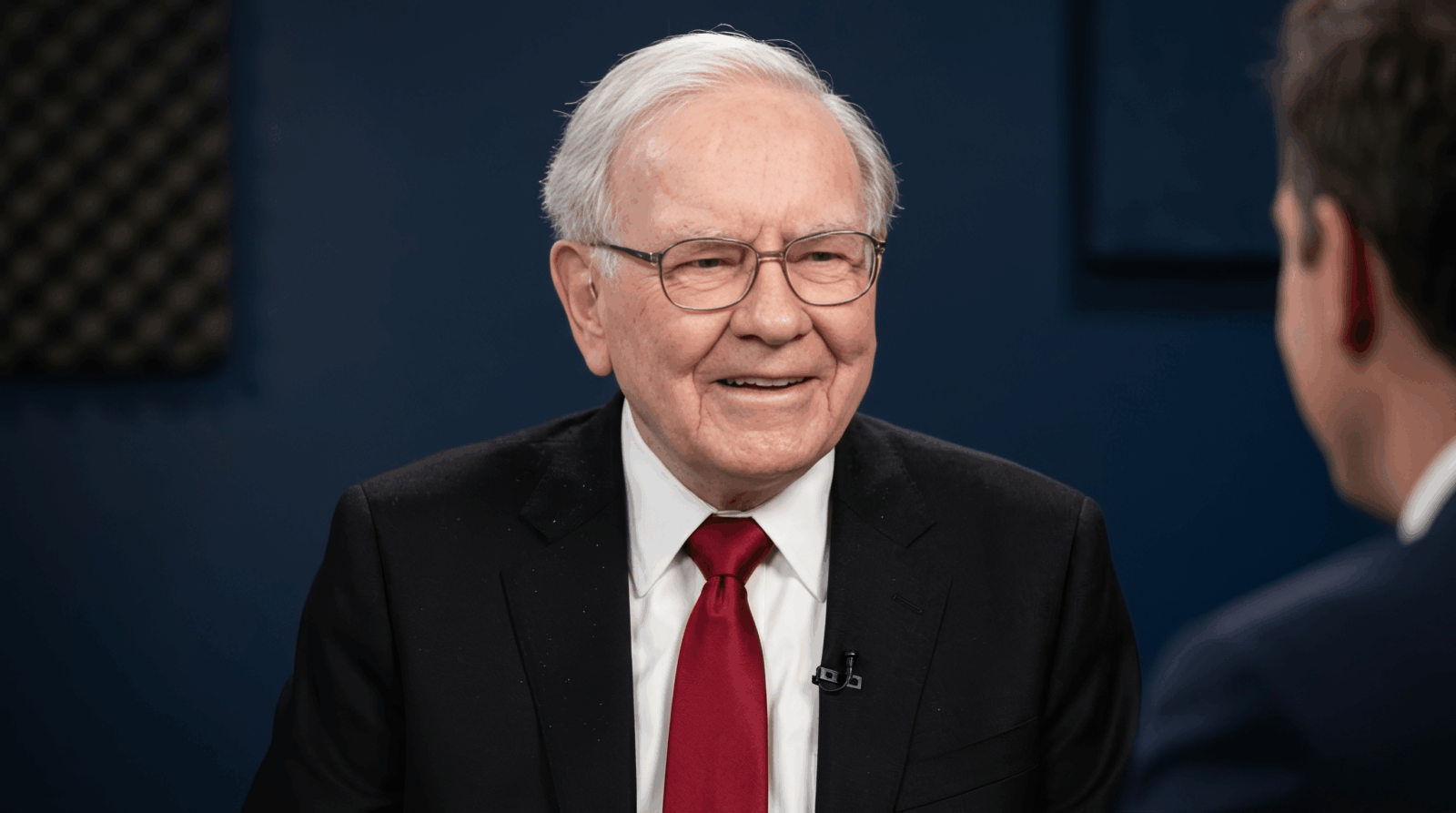
Warren Buffett is famous for saying, “The chains of habit are too light to be felt until they are too heavy to be broken.” While most people focus on his bank account, his true wealth lies in his unique mental architecture.
He didn’t build his success on complex mathematical algorithms. He built it on radical emotional control and ruthless time management. The top habits of Warren Buffett’s mind form a blueprint for focus, discipline, and emotional stability that anyone can study and apply.
1. Fierce Protection of Thinking Time
“I insist on a lot of time being spent, almost every day, just to sit and think.” — Warren Buffett.
Most executives treat their calendars like a puzzle to be packed tightly from nine to five. Buffett treats it like a locked vault. He once showed Bill Gates his pocket calendar, which was almost entirely blank, and Gates reportedly found it shocking.
Buffett has said he spends the majority of his working day reading and thinking quietly. No endless meetings. No frantic problem-solving at someone else’s pace. He guards his mental space the way a surgeon guards steady hands before an operation, because a distracted mind and a clear one produce very different decisions.
2. The Buffett Formula for Compounding Knowledge
“Read 500 pages like this every day. That’s how knowledge works. It builds up, like compound interest.” — Warren Buffett.
Buffett doesn’t look for quick information hacks. His primary rule is simple: go to bed a little smarter than you woke up. He reads multiple newspapers each morning to stay informed about the current world.
He works through corporate annual reports year-round to study business data in depth, not skimming for headlines but absorbing the actual numbers and footnotes that most investors skip.
Over the decades, this sustained, unglamorous reading builds a knowledge base that very few people in the world can match. Most investors look for a shortcut. Buffett just kept reading and connecting the dots.
3. Absolute Emotional Detachment from the Crowd
“Be fearful when others are greedy and greedy when others are fearful.” — Warren Buffett
When the stock market panics and everyone else is selling, Buffett’s mind goes dead calm. He views market volatility not as a threat but as an opportunity. This emotional detachment isn’t accidental. It is a cultivated habit built over many years of watching crowds make the same big mistakes in different market cycles.
He operates by what he calls an “Inner Scorecard,” judging his actions by his own standards rather than public opinion. He doesn’t need the crowd to agree with him to feel confident in a position.
When others called him out of touch during the dotcom boom for refusing to buy technology stocks he didn’t understand, he held his ground. The dotcom crash vindicated him. The discipline, though, was there long before the vindication.
4. Ruthless Filtering and the Power of No
“The difference between successful people and really successful people is that really successful people say no to almost everything.” — Warren Buffett.
Buffett operates within what he calls his “Circle of Competence.” If a business or concept falls outside what he deeply understands, he passes on it, no matter how lucrative it looks to others. This isn’t timidity. It’s a deliberate choice to stay in lanes where his knowledge gives him a real edge rather than gambling on industries and technology he can’t read well.
The practical result is a mind that never gets cluttered with half-formed opinions about industries he hasn’t studied. He can’t evaluate every opportunity, so he doesn’t try to. What appears to be a limitation from the outside is actually a form of competitive advantage. He knows what he knows, he knows what he doesn’t, and the line between those two things stays clear.
5. Keeping a Wide Margin of Safety
“Rule number one: never lose money. Rule number two: never forget rule number one.” — Warren Buffett.
In investing, a margin of safety means buying an asset for far less than its projected long-term intrinsic value, providing protection against unforeseen mistakes. Buffett applies the same logic to his approach to risk across his entire life, not just his portfolio.
Before committing to any major decision, he thinks through the downside with the same attention he gives to the upside. His mind is wired never to risk what matters to him for something that doesn’t. He has avoided heavy debt for decades, passed on deals with uncalculated risks that looked attractive on the surface, and treated his own peace of mind as an asset worth protecting.
Losing money is recoverable. Losing sleep over a position he never should have taken in the first place is a different kind of cost.
Conclusion
Despite controlling enormous wealth, Buffett still lives in the Omaha house he bought in 1958. He measures the quality of his life not by net worth but by the strength of his relationships, and he has said that the only true metric of a well-lived life is how many of the people you want to love you actually do.
The five habits above aren’t investing principles that happen to have personal applications. They are a complete framework for how a disciplined mind operates under pressure, filters out noise, and compounds wisdom over a lifetime. His financial results are the byproduct. The habits came first.